AI-Driven Coma Recovery with Wearable EEG Sensors
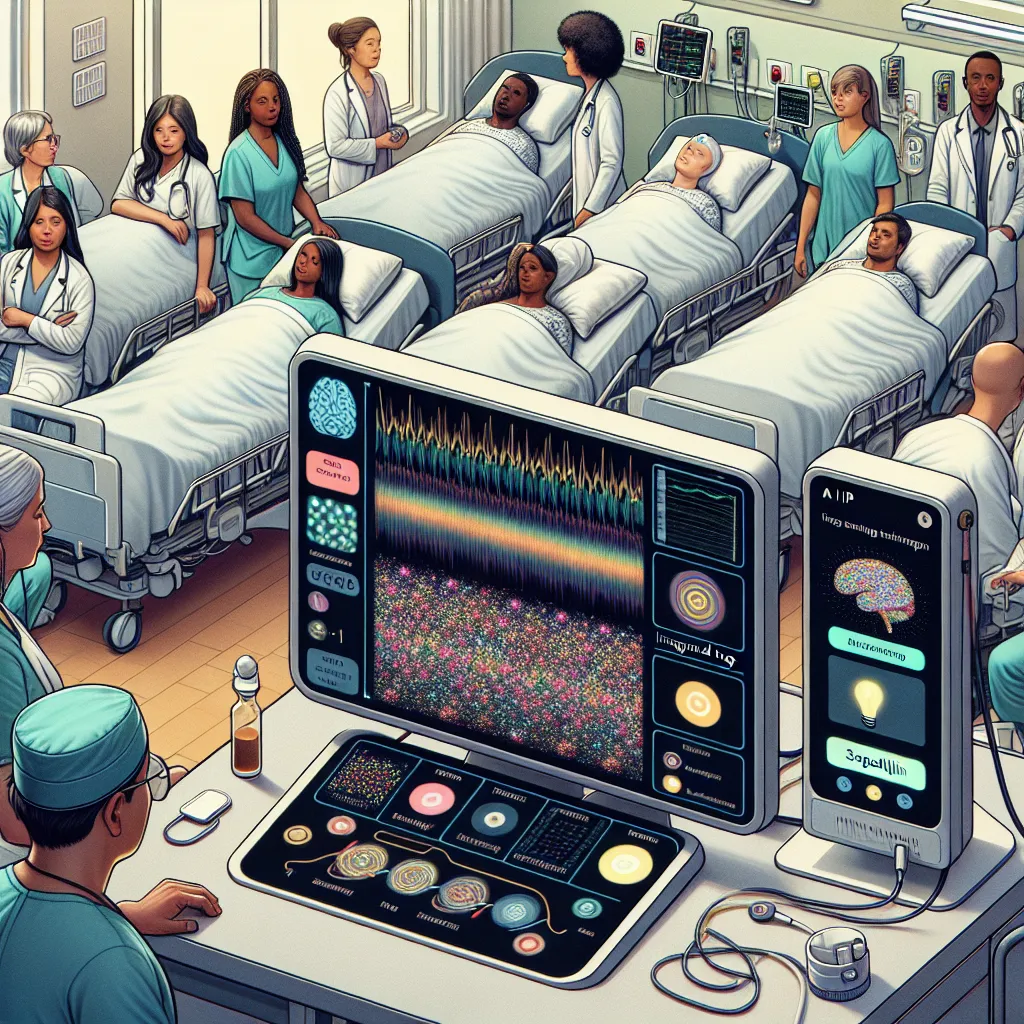
Hundreds of thousands of people worldwide remain in prolonged comas or minimally conscious states with little hope of recovery, often receiving only basic care and passive observation. Traditional approaches—like repurposing drugs such as Ambien or amantadine—have shown inconsistent results, and there’s no real-time system to adapt treatments based on a patient’s evolving brain state. This startup proposes an AI-powered coma recovery platform that integrates wearable EEG sensors with a deep learning model to continuously analyze neural activity and deliver targeted, non-invasive brain stimulation (like tDCS or TMS). If signs of consciousness emerge, the system can trigger drug suggestions (e.g., saxagliptin) to reinforce arousal pathways. Why now? Advances in neuro-AI, low-cost wearables, and recent research breakthroughs (like Shaffy Toker’s neural net for consciousness detection) make closed-loop coma care possible for the first time. For example, hospitals could use this system to personalize care for brain injury patients, improving odds of recovery in ways static treatments never could.
Description
No additional description provided.
The Pitch
Coma and prolonged minimally conscious states present complex challenges in healthcare. Hundreds of thousands of individuals across the globe face these conditions annually, with little hope for a meaningful recovery. Standard approaches mainly involve passive observation and basic care, which significantly limits the potential for recovery. Meanwhile, attempts to stimulate arousal or consciousness using medications like Ambien or amantadine have yielded inconsistent and often disappointing results. There is an urgent need for a more dynamic, responsive, and personalized treatment system that can adapt to the patient’s evolving neurological state.
## Problem
The existing management of coma states predominantly relies on a generic, static approach with minimal adaptation to a patient's changing condition. The lack of a real-time, responsive system means that treatment options are often generalized and not tailored to individual needs, potentially missing critical windows of opportunity for enhanced recovery. Furthermore, current interventions are not equipped to provide continuous monitoring or actively influence brain rehabilitation processes.
## Solution
The proposed solution is an AI-powered coma recovery platform. This innovative system integrates cutting-edge wearable EEG sensors with a deep learning model. By continuously analyzing brain activity, the platform offers tailored interventions designed to stimulate neural pathways conducive to consciousness. Non-invasive brain stimulation techniques, such as transcranial Direct Current Stimulation (tDCS) or Transcranial Magnetic Stimulation (TMS), are employed to optimize brain engagement. Additionally, upon detecting signs of consciousness, the platform can suggest pharmacological options like saxagliptin to further stimulate arousal pathways.
## Product Details
1. **Wearable EEG Sensors**: Compact, patient-friendly devices that provide ongoing monitoring of neural activity without causing discomfort.
2. **AI-Driven Analytical Engine**: A deep learning model capable of interpreting complex EEG data, identifying patterns that might indicate the potential for recovery, and adapting interventions accordingly.
3. **Non-Invasive Brain Stimulation**: Utilizes tDCS or TMS technologies to deliver targeted electrical or magnetic pulses to specific brain regions, supporting neural plasticity and recovery processes.
4. **Pharmacological Trigger System**: In events where initial signs of consciousness are detected, the system can recommend medications to strengthen and maintain progress.
## Tools for MVP Development
1. **EEG Hardware**: Work with partners like Muse or Emotiv for reliable EEG sensor hardware.
2. **AI and Machine Learning Platforms**: Utilize TensorFlow or PyTorch for developing the deep learning model.
3. **Cloud Infrastructure**: Leverage services like AWS or Google Cloud for scalable data processing and storage.
4. **Regulatory Compliance Support**: Engage with firms specializing in medical device regulations to ensure compliance and facilitate FDA approval processes.
## Go-To-Market Strategy
- **Partnerships with Hospitals**: Begin by collaborating with major hospitals to establish case studies and demonstrable outcomes.
- **Clinical Trials**: Perform rigorous testing to validate the system's effectiveness and build credibility within the medical community.
- **Medical Conferences and Publications**: Showcase findings at neurology conferences and in medical journals to garner interest and legitimacy.
- **Direct Outreach**: Engage with neurologists and intensive care specialists to drive awareness and adoption.
## Business Model
- **Subscription Model**: Hospitals and rehabilitation centers pay a recurring fee for access to the platform.
- **Licensing Agreements**: Provide rights to other companies to use the developed technology within specific parameters.
- **Data Analysis Services**: Offer detailed reports and insights as an additional service for continuous research opportunities.
Through innovative use of AI and continuous neural monitoring and intervention, this platform reimagines care for individuals in coma states. By transforming passive observation into an active, adaptive treatment approach, this solution not only enhances recovery odds but also revolutionizes how prolonged consciousness disorders are managed.