AI-Driven Case Management for Home Health
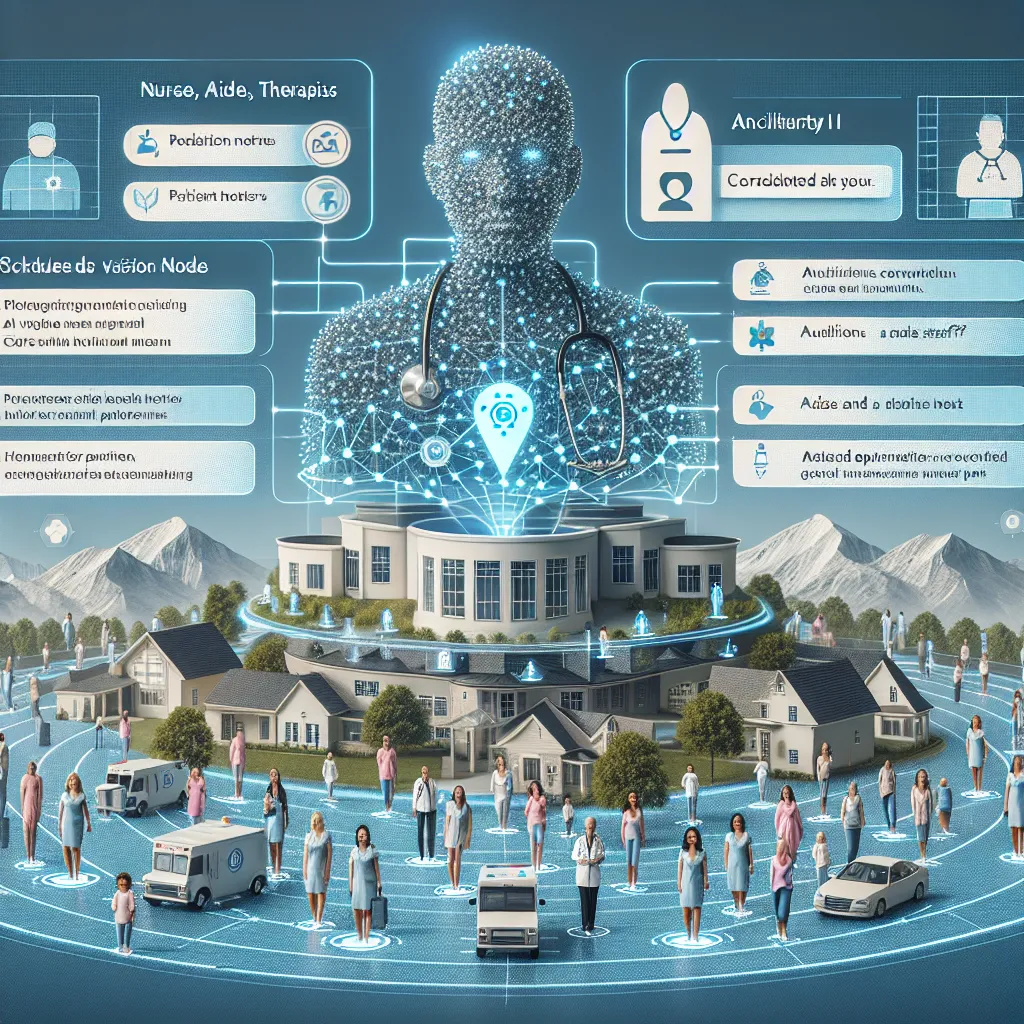
Home health agencies coordinate nurses, aides, therapists, scheduling, notes, insurance documentation, care plans, and equipment delivery — all through chaotic communication channels. An AI case manager maintains the care plan, auto-drafts visit notes, handles insurer documentation, schedules staff based on skill and location, and alerts supervisors to patient risk factors. Vertical AI works because home health is governed by reimbursement rules and visit structures ripe for automation. Why now? The aging population and staffing shortages are creating massive operational overload. Imagine an agency managing 300 patients with the administrative load of 120.
Description
No additional description provided.
The Pitch
Home health agencies are at the heart of providing critical care to patients within the comfort of their homes. With responsibilities ranging from coordinating nurses, aides, therapists, to managing scheduling, notes, insurance documentation, care plans, and equipment delivery, these agencies are caught in a web of intricate and often chaotic communication channels. The increasing demands made on these agencies have made it imperative to find streamlined solutions to manage operations efficiently.
The current landscape is further complicated by the rapidly aging population and persistent staffing shortages, making it challenging for agencies to keep up with their growing clientele without compromising on care quality. Imagine the administrative and logistical strain on an agency managing 300 patients but functioning with the resources adequate for less than half that number.
**Identified Problem**
The core problems faced by home health agencies include:
1. **Operational Inefficiency**: Managing various facets of patient care and administrative tasks using fragmented and outdated systems leads to inefficiencies and errors. 2. **Communication Chaos**: Inconsistencies in communication channels between the care team members result in gaps in patient care and documentation. 3. **Overburdened Staff**: Human resources are stretched thin as clinicians juggle hands-on care with administrative duties, often leading to burnout. 4. **Regulatory and Documentation Burden**: The complex and ever-evolving landscape of insurance and reimbursement rules adds an additional layer of difficulty to case management.
**Solution Overview**
The proposed solution is the development of an AI-powered case management system designed specifically for home health agencies. This system leverages the capabilities of artificial intelligence to transform the way agencies manage their operations, focusing on reducing the administrative burden and improving care coordination and communication.
**Product Details**
The AI Case Management System would incorporate the following features:
1. **Dynamic Care Plans**: AI-driven dynamic care planning that updates and maintains patient care plans in real-time, ensuring compliance with medical and insurance standards. 2. **Visit Note Automation**: Auto-drafting capabilities for visit notes to streamline clinician workflow, reduce documentation time, and minimize errors. 3. **Insurer Documentation Management**: Automatically handles insurer-related documentation and claims processing, ensuring accuracy and reducing denials. 4. **Smart Scheduling**: Intelligently schedules staff based on their skills, availability, and patient location to optimize resource allocation and reduce operational costs. 5. **Risk Alerts**: Proactive alerts for supervisors highlighting patient risk factors, allowing timely interventions and improving patient outcomes.
**Technical Tools and Launch Strategy**
**Development Tools and Platforms**
1. **Machine Learning Frameworks**: Use TensorFlow or PyTorch for developing AI algorithms that handle complex predictive analytics and decision-making processes. 2. **Cloud Infrastructure**: Implement AWS or Azure for scalable and secure cloud infrastructure to host the application and manage data. 3. **Integrations**: Develop APIs to integrate with existing healthcare systems such as EMRs, billing systems, and communication tools to ensure seamless data exchange.
**MVP (Minimum Viable Product) Strategy**
1. **Identify Core Features**: Focus on rolling out the most crucial features—dynamic care plans, visit note automation, and smart scheduling—as part of the MVP. 2. **Pilot Testing**: Conduct pilot tests with select home health agencies to gather real-world insights and feedback to refine the product. 3. **Iterative Development**: Employ an agile development methodology to iterate on feedback and progressively introduce additional features.
**Go-to-Market (GTM) Strategy**
1. **Targeted Outreach**: Focus outreach efforts on small to mid-sized home health agencies that can quickly adopt and benefit from the technology. 2. **Partnerships**: Form strategic alliances with healthcare IT vendors, insurance companies, and professional home health associations to leverage their networks. 3. **Content Marketing**: Develop insightful content—such as case studies, whitepapers, and webinars—that highlights efficiencies gained through AI integration.
**Business Model**
The AI Case Management System would follow a SaaS (Software as a Service) model with the following considerations:
1. **Subscription Tiers**: Offer tiered subscriptions based on the size of the agency and the volume of services utilized. 2. **Implementation Fee**: Charge a one-time implementation fee for customization and integration with existing systems. 3. **Training and Support Packages**: Provide optional add-ons for training and ongoing support to ensure successful adoption and use.
By addressing the key challenges faced by home health agencies, the AI-driven case management solution has the potential to revolutionize home health management, propelling agencies toward greater efficiency, improved patient care, and sustainable growth.