AI-Driven Career Transition Platform for Workers
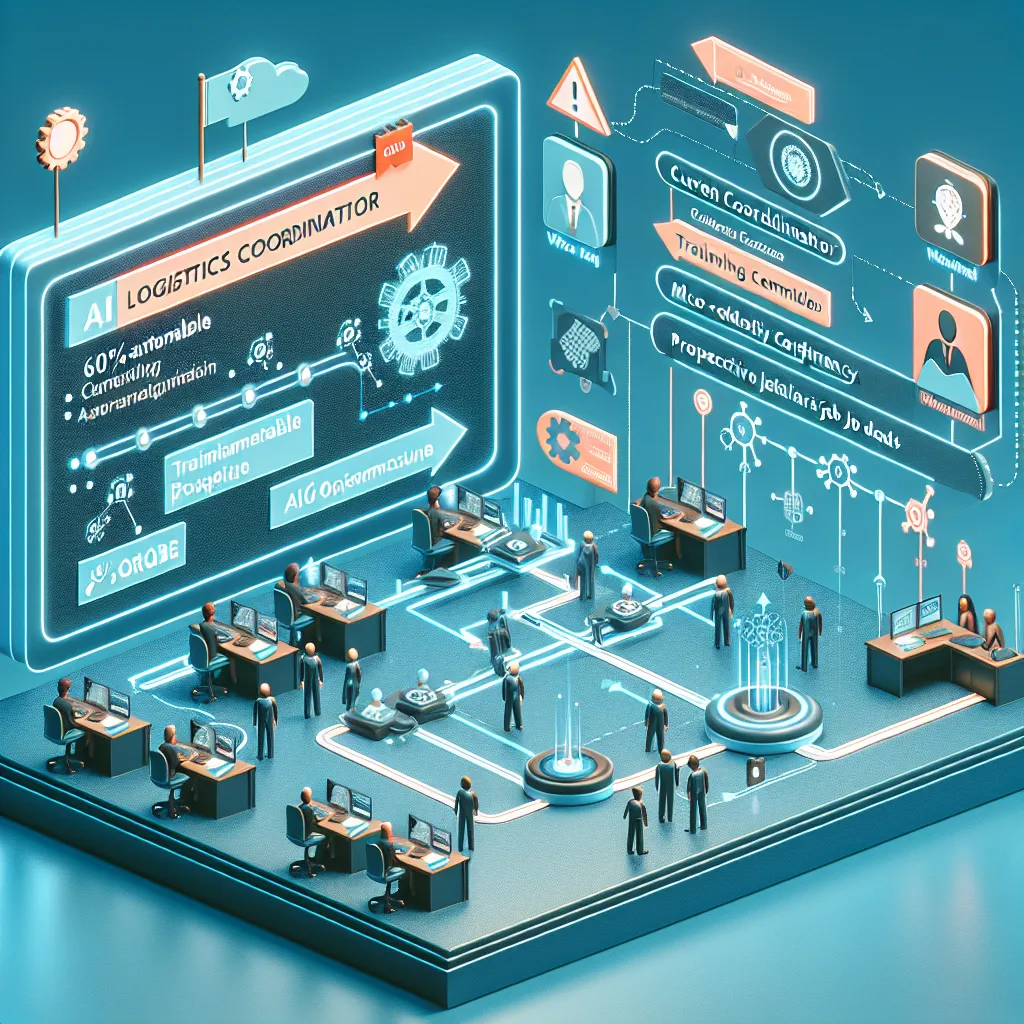
As AI systems move from copilots to full task owners, companies are quietly replacing chunks of labor without a clear map of what happens to the people on the other side. Workers feel the risk, employers feel the pressure, but no one has a shared language for transition. This creates room for a platform that treats careers like dynamic systems instead of static resumes, continuously translating someone’s current job into future-viable roles, generating micro-credential paths, and matching them to employers before displacement happens. The timing works because enterprises are already forecasting which roles AI will eliminate internally, but that data never leaves HR dashboards. Imagine a logistics coordinator seeing their role flagged as “60% automatable” and being auto-guided into AI operations oversight, with training, proof of competence, and job leads bundled together before layoffs ever occur.
Description
No additional description provided.
The Pitch
As artificial intelligence systems evolve from mere copilots to becoming full-fledged task owners, the landscape of employment is undergoing a profound transformation. Companies are increasingly automating previously labor-intensive tasks, causing significant uncertainty for the workforce. There's an urgent need for a structured approach to facilitate worker transitions in this new era.
#### Problem Statement
The advent of AI has put tremendous pressure on both employers and employees. Workers are anxious about job security, fearing they may become obsolete, while employers face the constant challenge of integrating AI without clear guidance on workforce management. The fundamental issue lies in the absence of a shared framework or language to navigate these transitions effectively. Current HR mechanisms are inadequate, as they often only highlight internally which jobs are at risk but fail to offer actionable pathways for affected employees.
#### Proposed Solution
Imagine a comprehensive platform that redefines career trajectories as dynamic ecosystems rather than static experiences. This platform will proactively map employees’ current roles to future opportunities that align with evolving industry needs. It will offer micro-credentialing paths and connect workers with relevant employers before any displacement occurs. By providing targeted training, proof of competence, and direct job leads, it becomes a one-stop solution for both employees and employers during AI-driven transitions.
#### Product Details
The platform will include the following features:
1. **Role Forecasting and Analysis**: Utilizes AI algorithms to predict which positions are likely to be automated, based on internal enterprise data.
2. **Dynamic Career Mapping**: Continuously tracks market trends and skill demands to map current roles to potential future positions.
3. **Micro-Credentialing**: Offers tailored training programs to bridge skill gaps, ensuring employees gain necessary competencies for new roles.
4. **Intelligent Matching System**: Connects workers with employers seeking future-ready skills, automatically providing job leads and opportunities.
5. **Real-Time Analytics Dashboard**: Provides HR departments with a visual overview of potential role transitions and skill fluctuations.
#### Tools for MVP Launch
Developing an MVP for this platform can be facilitated using a combination of modern development tools:
- **Backend**: Use scalable cloud services like AWS or Google Cloud for hosting. - **Front-End**: Employ frameworks such as React or Angular for building a responsive user interface. - **AI and Analytics**: Implement machine learning models through platforms like TensorFlow or PyTorch to optimize role predictions and training recommendations. - **Databases**: Utilize robust databases such as PostgreSQL or MongoDB for efficient data storage and retrieval. - **APIs**: Integrate with LinkedIn and other job portals for dynamic job market insights and opportunities.
#### Go-To-Market (GTM) Strategy
1. **Partnerships**: Collaborate with HR tech companies and large enterprises to integrate the platform within existing HR systems. 2. **Pilot Programs**: Launch initial pilots with willing enterprises, focusing on industries heavily impacted by AI disruptions like logistics and manufacturing. 3. **Marketing Campaigns**: Utilize digital marketing and thought leadership content to raise awareness about the platform's benefits, targeting both employers and employees. 4. **Feedback Loops**: Continuously gather user feedback from pilot programs to refine and enhance features before a broader rollout.
#### Business Model
The business model will be subscription-based, offering different tiers for small, medium, and large enterprises. Additional revenue streams will include:
- **Premium Features**: Offer advanced analytics and personalized career coaching services as premium add-ons. - **Micro-Credentialing Fees**: Charge for certification programs, with possible revenue sharing with educational partners. - **Data Insights Sales**: Provide anonymized industry insights to third parties interested in workforce trends and AI impacts.
#### Conclusion
In providing a proactive career transition platform, we address a critical need in a rapidly evolving job market. By equipping the workforce with clear pathways and skills for the future, we offer stability in otherwise tumultuous times. This initiative not only alleviates worker anxieties but also helps organizations manage workforce transformations efficiently and ethically.