AI-Driven B2B Procurement and Financing Platform
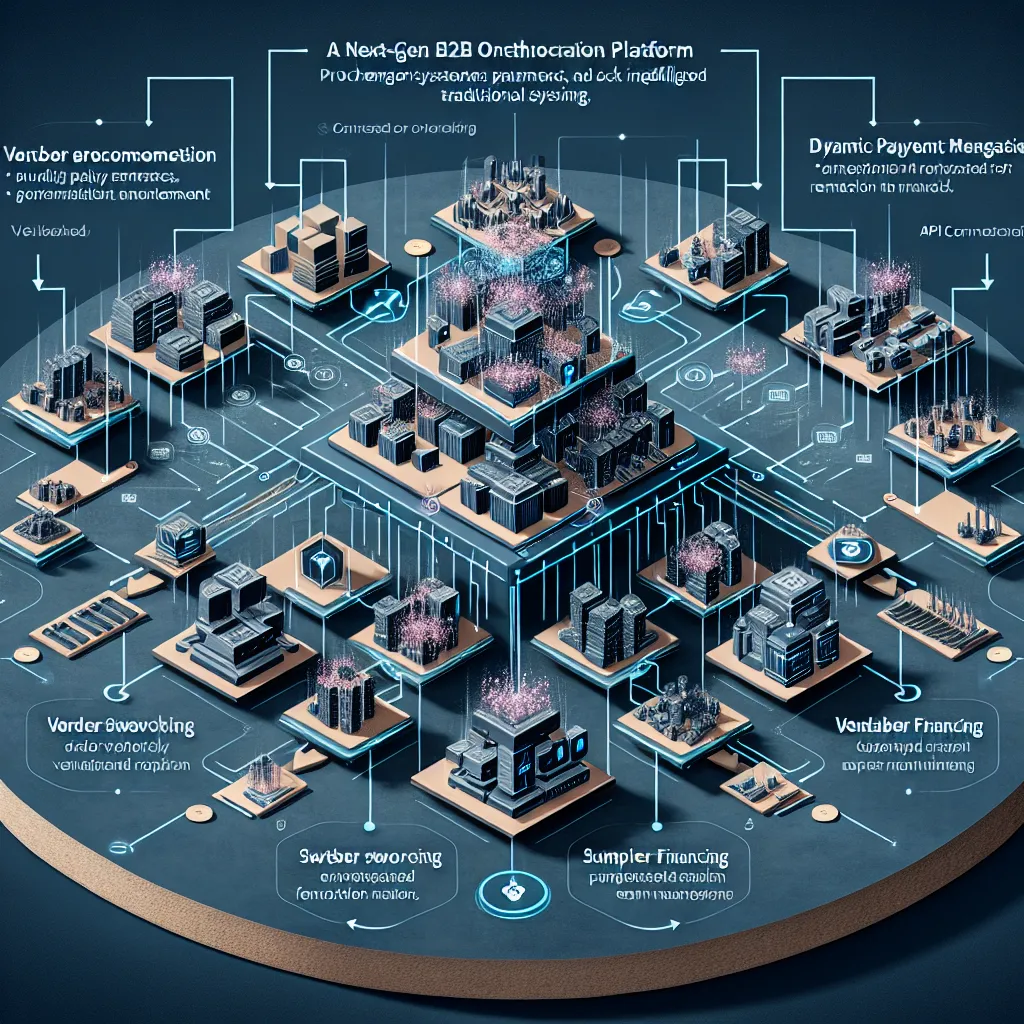
Mid-sized businesses have fragmented systems for procurement, payments, and vendor financing—often using legacy ERPs or siloed accounting tools. As a result, they lose out on volume-based savings, delay payments, or miss financing options. A next-gen B2B orchestration platform would use AI to unify procurement, payments, and working capital management into one intelligent layer. It would auto-recommend vendors, negotiate bulk pricing, manage payment terms dynamically, and connect to embedded lending APIs to finance large purchases. Think “Ramp for Procurement” meets “AI S&OP Copilot.” For example, a growing e-commerce brand could plug into the platform, which would suggest switching packaging vendors, negotiate better rates, and recommend financing the order through supply chain lenders—all autonomously.
Description
No additional description provided.
The Pitch
In the modern business landscape, mid-sized companies often face significant challenges due to fragmented systems in procurement, payments, and vendor financing. Many rely on outdated ERP systems or isolated accounting tools, leading to missed opportunities for volume-based savings, delayed payments, and untapped financing options. This disconnect not only hampers operational efficiency but also affects the overall financial health of the business.
To address these issues, there is a pressing need for a next-generation B2B orchestration platform that leverages artificial intelligence to unify procurement, payments, and working capital management into a single, intelligent layer. This platform would automatically recommend vendors, negotiate bulk pricing, adjust payment terms dynamically, and provide access to embedded lending APIs for financing substantial purchases. Essentially, it combines the functionalities of a Ramp for Procurement with the capabilities of AI S&OP Copilot.
Consider a scenario where a burgeoning e-commerce brand integrates with this platform. The system could autonomously suggest switching to a more cost-effective packaging vendor, negotiate favorable rates, and recommend financing options through supply chain lenders. This streamlined process would optimize the brand's procurement and financial strategies without manual intervention.
Building such a platform involves several key components and tools to facilitate an MVP (minimum viable product) launch:
1. **AI and Machine Learning Algorithms**: To provide intelligent recommendations, bulk pricing negotiations, and payment term optimizations, robust AI models are necessary. Tools like TensorFlow or PyTorch can be leveraged for AI development.
2. **API Integrations**: Create seamless integrations with existing ERP systems, accounting tools, and embedded lending platforms. This might entail using tools such as Postman for API development and testing, as well as platforms like Zapier for automating workflows.
3. **Data Analytics Dashboard**: Offering businesses a clear view of their procurement, payments, and financing activities is crucial. Dashboards can be built using tools such as Tableau or Power BI to provide real-time insights and analytics.
4. **Secure Cloud Infrastructure**: Utilize cloud services like AWS or Google Cloud for scalable and reliable hosting of the platform, ensuring data security and efficient performance.
5. **User-Friendly Interface**: Employ design tools like Figma or Adobe XD to develop an intuitive user interface, ensuring that the platform is accessible and easy to navigate for all users.
To effectively launch this MVP and implement a successful go-to-market (GTM) strategy, consider the following steps:
- **Target Audience Identification**: Focus on mid-sized businesses across various sectors that regularly deal with complex procurement and financing needs.
- **Partnership and Alliances**: Establish partnerships with ERP providers and embedded lending platforms to expand the platform's capabilities and reach.
- **Value Proposition Communication**: Clearly articulate the platform's benefits, such as cost savings, operational efficiency, and improved cash flow management, through targeted marketing campaigns.
- **Pilot Programs and Case Studies**: Launch pilot programs with select businesses to gather feedback, demonstrate the platform's value, and generate case studies that can be used in marketing efforts.
- **Sales and Customer Support Team**: Develop a strong sales team with industry knowledge and a dedicated customer support team to assist users during and after the implementation process.
Adopting a subscription-based business model would align well with the platform's value delivery, offering tiered pricing packages that cater to different levels of usage and support. This ensures a consistent revenue stream while allowing businesses to choose the plan that best suits their needs.
In summary, by addressing the pain points of fragmented procurement and payment systems, this next-gen B2B orchestration platform presents a comprehensive solution for mid-sized businesses looking to optimize their operations and financial strategies. Through strategic partnerships, advanced AI capabilities, and a customer-centric approach, it stands to transform how these businesses manage their procurement and financial activities.