AI-Driven Automated Landing Pages for SEO
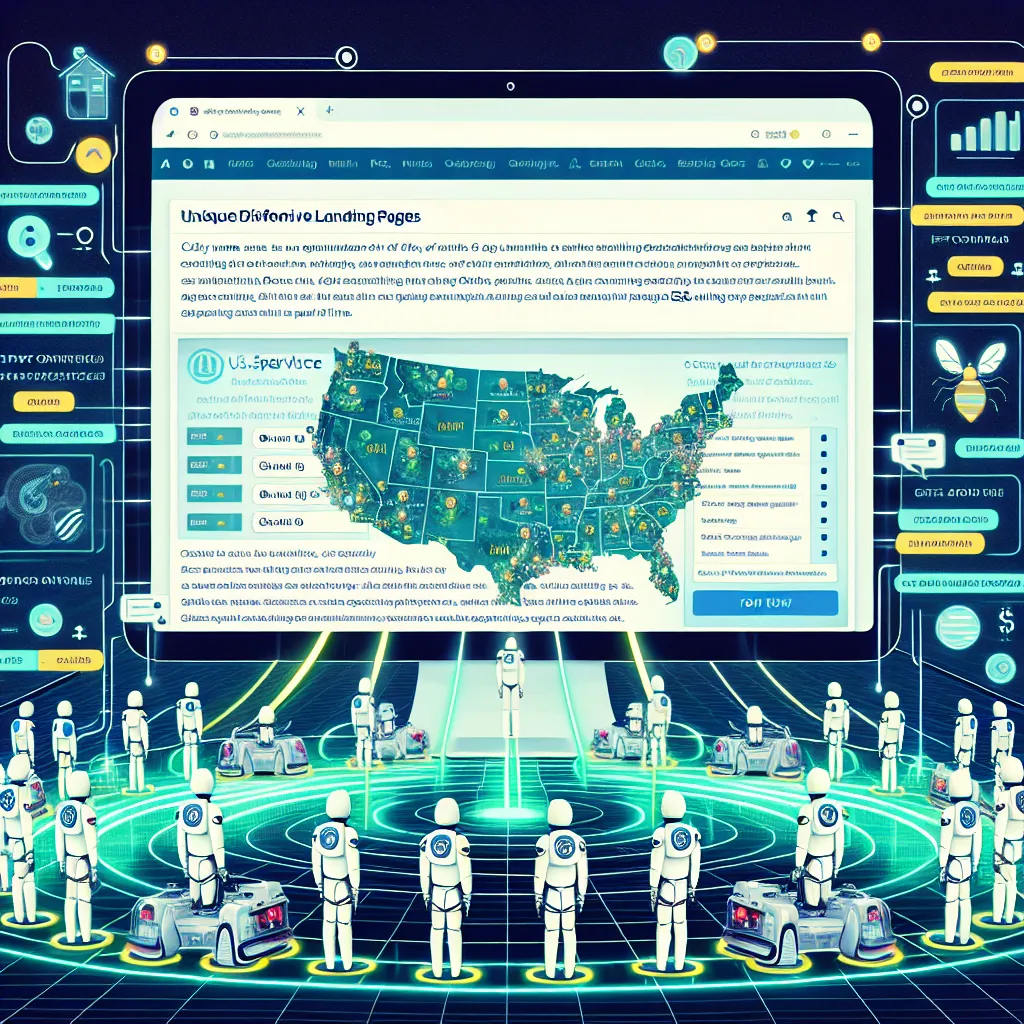
Generating thousands of unique, high-quality landing pages for SEO at scale is labor-intensive and often inconsistent. Using AI workflows, businesses could automatically create customized pages based on city names, services, and keywords from simple spreadsheets. The transcript highlights: "You could put all the keywords in a Google sheet... and it can just generate all these different landing pages." For instance, a national pest control company could generate 5,000 local SEO pages targeting every U.S. city, dramatically increasing inbound traffic without hiring a massive content team.
Description
No additional description provided.
The Pitch
Generating a vast number of unique, high-quality landing pages tailored for SEO purposes has traditionally been a strenuous and often inconsistent task for businesses. Organizations frequently find themselves grappling with the manual labor involved, which requires significant time and resources. This process can often lead to inconsistent results, undermining the potential benefits of a robust SEO strategy.
The primary issue at hand is the inefficiency associated with creating multiple landing pages that need to be crafted to target different keywords, services, and locales. For instance, a national service provider would need thousands of pages to effectively cover all potential target areas and services. The manual creation of each page is not only resource-intensive but also prone to human error, leading to inconsistencies that could affect SEO performance.
In response to this challenge, a solution leveraging AI workflows can revolutionize the creation of landing pages. By employing AI to automate the generation of customized pages based on variables such as city names, services offered, and targeted keywords, businesses can efficiently produce high-quality landing pages at scale. Imagine a national pest control company utilizing this technology to generate 5,000 local SEO pages, each targeting a specific U.S. city or region. This approach could significantly boost inbound traffic without the need for a large content team.
The product solution involves setting up a streamlined process whereby businesses input necessary data—such as services, keywords, and city names—into a simple spreadsheet format. AI-driven technology then automatically generates individually optimized landing pages from this data set, complete with localized content relevant to each specified market.
For launching this minimum viable product, or MVP, several tools can facilitate the process. Content management systems (CMS) that support API integration can allow seamless linking of AI-generated content with existing web infrastructure. Google Sheets can be employed for straightforward data input, while AI platforms are leveraged to interpret and transform this data into comprehensive web page content. Additionally, design software with templating capabilities can ensure a consistent and professional aesthetic across all generated pages.
To effectively bring this product to market, or go-to-market (GTM) strategy, consider the following steps:
1. **Identify Target Customers:** Focus on businesses that offer services across multiple locations, such as cleaning services, real estate agencies, or national retail chains.
2. **Build Awareness:** Use digital marketing channels, including social media, webinars, and partnerships with SEO consultants, to introduce the benefits of automated landing page generation.
3. **Educate the Market:** Demonstrate the advantages through case studies, highlighting the efficiency and SEO benefits of using AI workflows. Provide webinars and workshops geared towards potential clients and stakeholders.
4. **Offer Trial Periods:** Enable potential customers to experience the technology firsthand through trial periods, allowing them to see the immediate impact on their SEO strategy.
The business model for this solution could be structured around a subscription-based model, where clients pay a monthly or annual fee based on the number of pages generated or the volume of data processed. Alternatively, a usage-based pricing model could be considered, offering flexibility based on individual business needs.
In summary, leveraging AI to automate the generation of SEO-focused landing pages offers a transformative solution for businesses seeking to enhance their online presence. By addressing the inefficiencies of manual page creation, this approach delivers consistent, scalable results that boost SEO performance and drive inbound traffic.