AI-Driven 24/7 Support for Modern Addictions
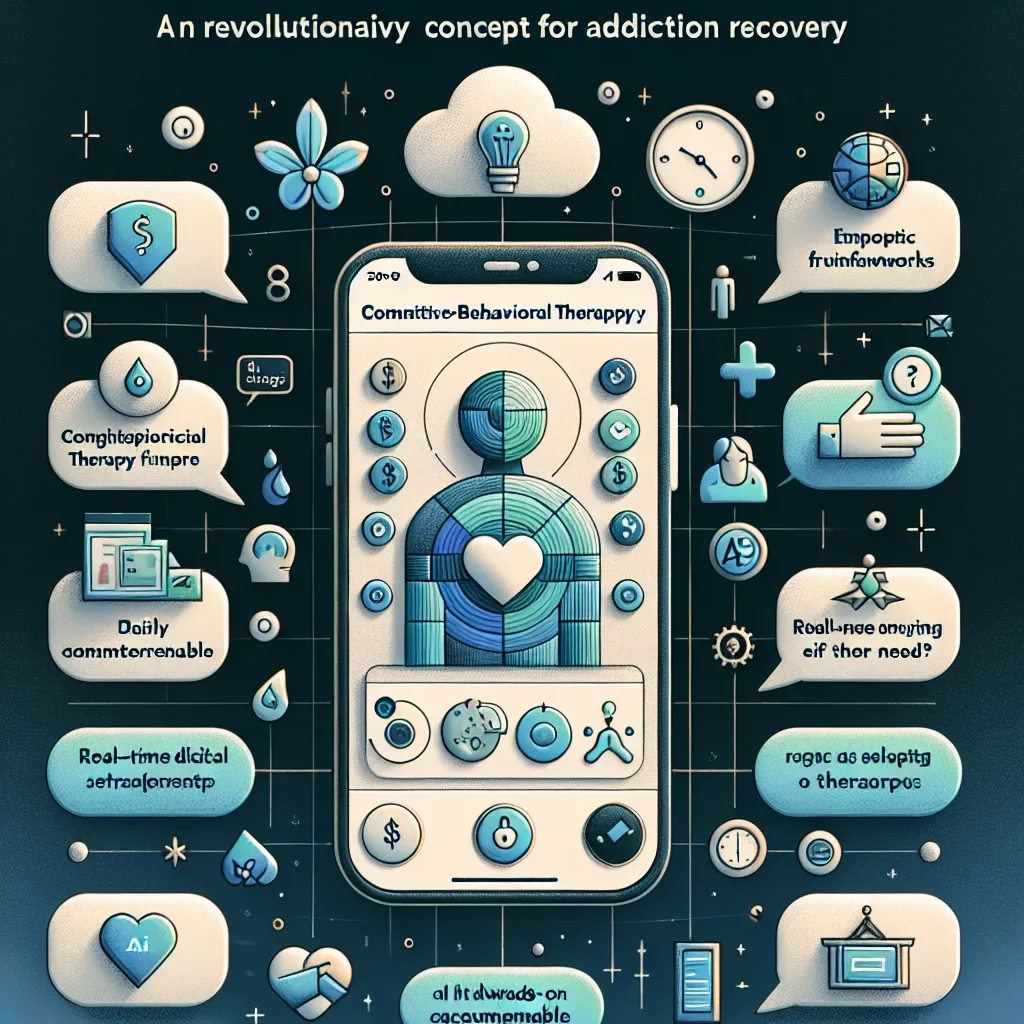
Addiction recovery hasn’t evolved since the church basement. AA is still analog, therapy is expensive, and millions of Gen Z men are quietly getting hooked on gambling apps and dopamine loops. What’s missing is a scalable, always-on sponsor — a companion that listens without judgment, checks in daily, and helps when temptation hits. An AI sponsor app could blend CBT frameworks, empathy modeling, and real-time accountability, escalating to a human therapist if needed. The Calm or Headspace of recovery. Why now? Gambling and digital addictions are exploding while stigma keeps people offline. Example: Sunflower Sober is doing this for alcohol — but the world needs “AA for everything,” powered by AI.
Description
No additional description provided.
The Pitch
The landscape of addiction recovery has remained largely unchanged for decades, relying heavily on traditional methods such as support groups and therapy sessions. However, with the digital transformation of many aspects of our lives, there is a growing recognition that recovery must also adapt to meet the needs of a new generation. The rise in digital and gambling addictions among Gen Z men highlights a critical gap in the current recovery ecosystem.
**Backstory**
Addiction recovery has historically centered around in-person meetings and therapeutic interventions, but these can be inaccessible or intimidating for many individuals, particularly those dealing with the stigma associated with seeking help. The digital age, while bringing its own set of challenges, also presents an opportunity to modernize recovery support systems. As digital and gambling addictions gain momentum, there is a pressing need for innovative solutions that resonate with younger demographics who live their lives online.
**Problem**
The core problem is the mismatch between traditional recovery methods and the needs of digital natives. Gen Z men, who are increasingly falling prey to gambling apps and the constant allure of digital platforms, require support that is as dynamic and accessible as the challenges they face. The existing systems are often analog, slow to react, and inherently limited by geographic and time constraints. Stigma also prevents many from seeking help in person, leaving a gap in support when individuals need it the most.
**Solution**
The proposed solution is an AI-powered sponsor application, designed to provide scalable and continuous support. This app would act as a digital companion, tailored to individual needs and available around the clock. By integrating cognitive behavioral therapy (CBT) frameworks and empathy modeling, the app can proactively check in with users, provide immediate coping strategies, and offer real-time accountability. When a situation escalates beyond the app's capability, it can seamlessly connect users with human therapists, ensuring comprehensive care.
**Product Details**
The AI sponsor app would feature:
1. Personalized interaction: Using AI to tailor communication and support based on user behavior and preferences. 2. Daily check-ins: Short, structured interactions to keep users engaged and accountable. 3. Empathy and CBT integration: Offering users therapeutic insights and coping mechanisms. 4. Real-time escalation: Connecting users to human therapists for additional support when necessary. 5. Privacy and anonymity: Ensuring user data is protected to reduce stigma-related barriers. 6. Community support: Facilitating anonymous peer interactions and support groups online.
Possible tools and technologies to build this MVP include:
- Natural Language Processing (NLP) for empathetic communication. - Machine learning algorithms to personalize user experience. - Mobile app development frameworks like React Native or Flutter. - Secure cloud services for data storage and processing.
**Go-to-Market Strategy**
1. **Target Audience Identification:** Focus initially on Gen Z men who are prone to or currently experiencing digital or gambling addictions.
2. **Partnerships:** Collaborate with mental health professionals, existing recovery networks, and educational institutions to build credibility and access the target audience.
3. **Pilot Program:** Run a pilot in select communities or through partnerships with educational institutions to gather data and refine the app based on user feedback.
4. **Social Media and Influencer Marketing:** Utilize platforms like TikTok, Instagram, and YouTube, where the target demographic is active, to raise awareness and encourage adoption.
5. **Stigma Reduction Campaigns:** Launch digital campaigns to normalize seeking help and highlight the benefits of using modern recovery tools.
**Business Model**
1. **Freemium Model:** Offer a basic version of the app for free, with premium features available on a subscription basis.
2. **Enterprise Solutions:** Provide customized solutions for educational institutions, rehab centers, and corporations for a fee.
3. **Sponsored Content and Partnerships:** Allow companies to sponsor certain elements (e.g., mindfulness tracks, exclusive content) within the app in exchange for advertising rights.
4. **Grants and Funding:** Seek grants and funding opportunities aimed at mental health innovation and tech for good initiatives.
This AI sponsor app represents a significant step towards modernizing addiction recovery, making it more accessible and tailored to the digital age. As digital addictions continue to rise, such innovations are poised to become a vital component of the broader recovery landscape.