AI Copilot: Revolutionizing Physical Labor with Guidance
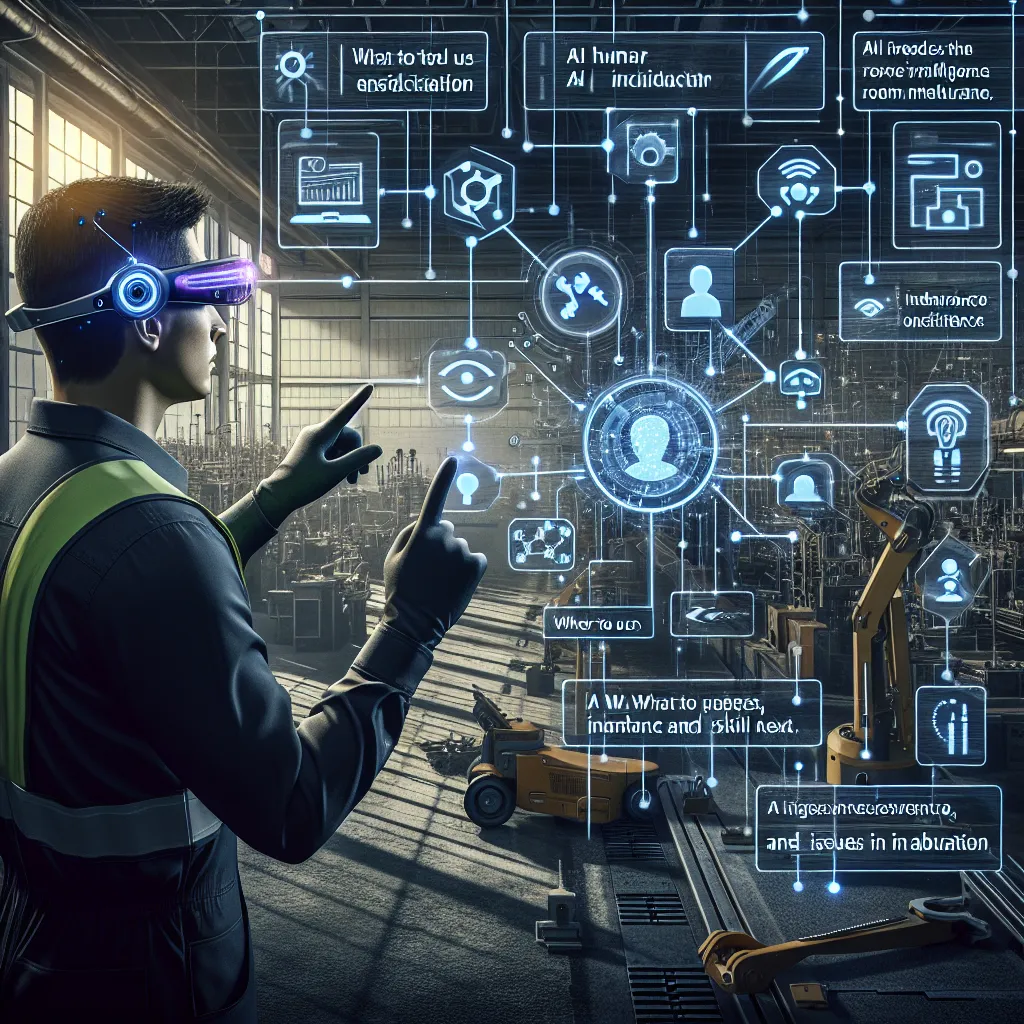
For decades, physical work has been limited by how long it takes to train humans, even as demand for skilled labor keeps rising. Unlike desk jobs, AI can’t yet act directly in the physical world—but it can see, reason, and guide the people who do. What doesn’t exist yet is a real-time AI copilot for physical work: a system that watches what a worker sees through a camera or smart glasses and provides step-by-step guidance in the moment—what tool to use, what to inspect, what to fix next, and when something looks wrong. This matters now because three forces have finally converged: multimodal models can understand real-world scenes, the hardware is already ubiquitous, and labor shortages are pushing wages and urgency to new highs. A startup here could sell AI guidance to enterprises with existing workforces, go deep in a single vertical like HVAC or nursing and build a superpowered labor force, or create an open platform where anyone can instantly upskill and work independently. The result is a Matrix-like unlock for physical skills—turning training from months into minutes and giving millions of workers AI superpowers in the real world.
Description
No additional description provided.
The Pitch
For many years, the physical labor sector has faced significant challenges related to the training and deployment of skilled workers. Traditional training methods are lengthy and resource-intensive, creating a bottleneck as demand for skilled labor increases. Unlike the domain of desk jobs, where artificial intelligence (AI) has significantly streamlined operations, physical tasks still heavily rely on human expertise in real-time situations. Despite AI’s current limitations in performing physical tasks autonomously, it is uniquely poised to revolutionize the field by augmenting human capabilities through advanced vision, reasoning, and situational guidance.
**Identifying the Problem**
The core issue at hand is the time-intensive nature of training human workers for physical jobs, where demand consistently outpaces supply. As industries such as manufacturing, construction, healthcare, and maintenance experience acute labor shortages, there is a pressing need for a solution that can mitigate these training delays while enhancing productivity. Additionally, companies often face high costs associated with lengthy training periods, putting financial strain on operations and hindering growth.
**Proposed Solution**
The proposal is to develop an AI-driven copilot system designed specifically for physical labor tasks. This system will leverage the capabilities of real-time multimodal AI models that can comprehend and interpret complex real-world scenes. By integrating with ubiquitous hardware, such as cameras or smart glasses, the AI copilot will offer on-the-fly guidance to workers. This includes instructions on tool usage, checkpoints for inspection, problem-solving assistance, and alerts for potential errors. Essentially, this tool will serve as an on-demand mentor, turning months of traditional training into immediate, accessible learning experiences.
**Product Details**
1. **Core Technology**: - **Multimodal AI Models**: Trained to understand and interact with real-world environments through vision and language processing. - **Real-Time Integration**: Seamless connection with wearable technology like smart glasses, providing an immersive user experience.
2. **Features**: - **Step-by-Step Guidance**: Customized instructions based on task requirements and worker proficiency. - **Tool Recommendations**: Suggestions for the optimal tools needed for specific tasks. - **Error Detection and Alerts**: Proactive identification of potential mistakes and real-time corrective feedback. - **Progress Tracking**: Monitoring skill development and performance to further tailor guidance.
3. **User Experience**: - Intuitive interface for ease of interaction. - Multilingual support to enhance accessibility.
**Tools for MVP Launch**
- **Software Development Kits (SDKs)**: Utilize readily available AR SDKs for rapid prototyping and testing. - **Cloud AI Services**: Deploy scalable AI models on cloud platforms for dynamic processing power. - **Wearable Devices**: Partner with manufacturers for hardware that complements the AI software, such as smart glasses.
**Go-To-Market Strategy**
1. **Target Industries**: Focus initially on sectors experiencing acute labor shortages, such as HVAC, healthcare (nursing), and manufacturing.
2. **Pilot Programs**: Collaborate with early adopters in these industries to refine and validate the product through pilot projects.
3. **Marketing Approach**: - Highlight the reduction in training costs and time. - Showcase success stories and case studies from pilot programs. - Conduct demonstrations at industry trade shows and conferences.
4. **Distribution Partnerships**: Work with hardware vendors to bundle AI copilot systems with smart glasses packages.
**Business Model**
1. **Subscription-Based Licensing**: Offer tiered subscription plans based on the number of users and level of service. 2. **Enterprise Solutions**: Provide custom integrations and premium support for large organizations. 3. **Freemium Model**: Allow individual workers and small businesses basic access with options to upgrade for advanced features.
In summary, this vision for an AI copilot for physical work addresses a critical market gap, leveraging modern AI and hardware technologies to transform the landscape of skilled labor. With strategic planning and execution, this innovation has the potential to redefine how physical work is learned and performed, delivering unprecedented value to businesses and workers alike.