AI-Coordinated Camouflage for Complex Environments
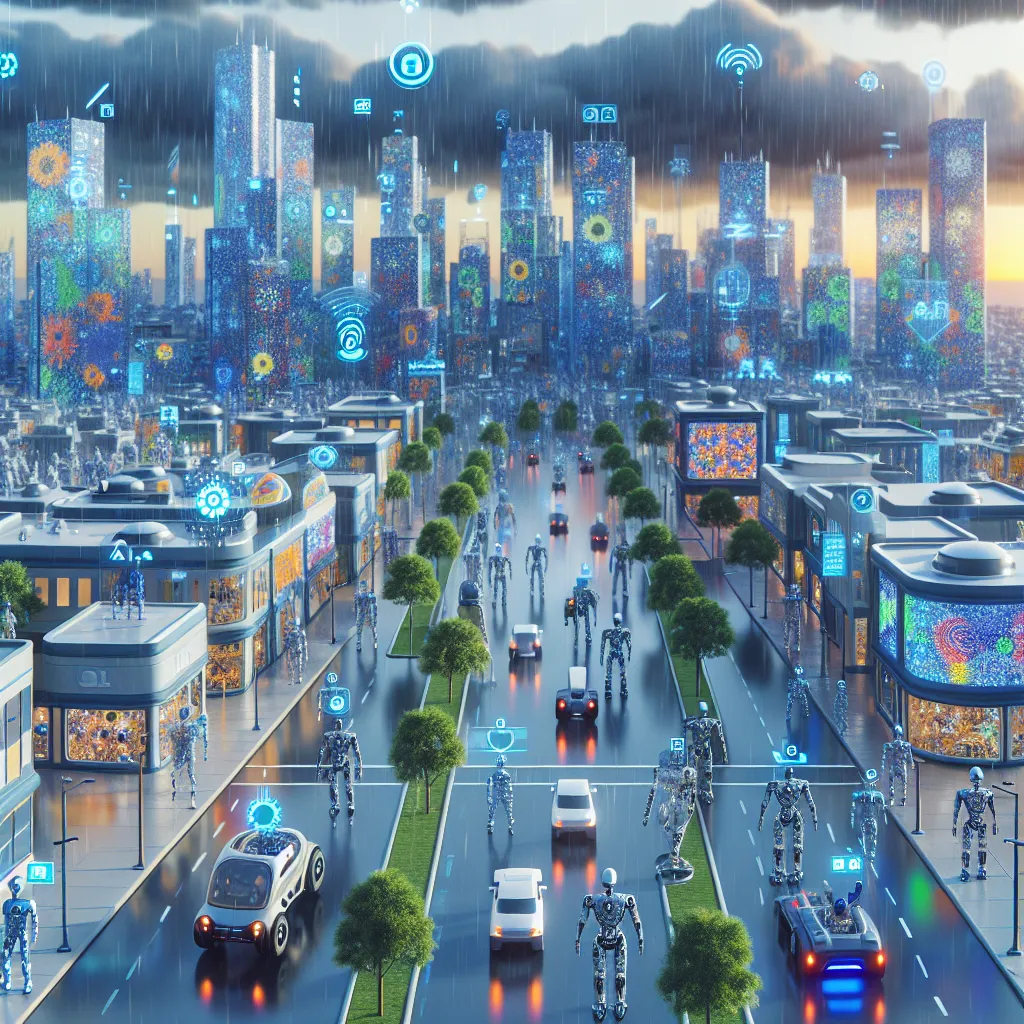
As environments grow more complex, camouflage stops being an object-level problem and becomes a coordination challenge. Individual adaptive surfaces work, but they fail to optimize across fleets, cities, or landscapes. This idea introduces an AI layer that manages networks of adaptive skins, coordinating how robots, vehicles, and structures visually respond together. Instead of each unit guessing, the system learns patterns, predicts conditions, and optimizes collective behavior. The timing aligns with AI moving from perception to orchestration. Imagine a fleet of city robots that subtly shift appearance together during weather changes or major events, maintaining visual harmony without human oversight.
Description
No additional description provided.
The Pitch
In today's world, environments are becoming increasingly intricate, with dynamic landscapes, bustling cities, and interconnected systems. Camouflage, once a straightforward object-level concern, now requires a sophisticated approach that considers multiple elements simultaneously. The challenge has evolved into one of coordination, where individual adaptive surfaces, while effective on their own, fall short of optimizing across entire fleets, cities, or landscapes.
Backstory and Problem Definition
In traditional applications, adaptive surfaces or materials work to blend individual units, such as vehicles or robots, into their surroundings. However, these units operate in isolation, often failing to consider the broader visual context they are part of. This leads to disjointed visual appearances, which can disrupt the harmony of environments, especially in densely populated or strategically significant areas.
The Solution
The proposed solution is an innovative AI-driven layer that manages networks of adaptive skins. This system focuses on orchestrating the visual responses of robots, vehicles, and structures collectively, rather than individually. By doing so, it enables a coordinated approach to camouflage and appearance management, making use of AI's ability to learn patterns, predict conditions, and optimize behavior on a larger scale.
Product Details
The core of this product is an artificial intelligence system equipped with machine learning capabilities, designed to oversee and control networks of adaptive surfaces. Here’s a detailed look at what the solution entails:
1. Centralized AI Coordination Hub: A platform that acts as the brain, analyzing environmental factors and orchestrating responses across all connected units.
2. Adaptive Surface Integration: Easy-to-implement skins and materials that can change appearance based on the AI's instructions, covering a range of colors, patterns, and textures.
3. Predictive Pattern Recognition: Leveraging data analytics to understand and forecast environmental changes, ensuring that the network stays one step ahead.
4. Scalable Architecture: Can be applied to small-scale deployments such as robotic fleets, or expanded to urban and industrial applications involving buildings and infrastructure.
Tools for Easy MVP Launch
To ensure a smooth transition from concept to minimal viable product, the following tools and technologies can be utilized:
- Machine Learning Platforms: Tools like TensorFlow or PyTorch for developing the core AI algorithms. - IoT Frameworks: Platforms for connecting and managing the network of adaptive surfaces. - Rapid Prototyping: Software such as Unity or Unreal Engine for creating virtual models and simulations. - Cloud Infrastructure: Services like AWS or Google Cloud for scalable data processing and storage.
Go-To-Market Strategy
Successfully launching this solution into the market requires a strategic phased approach:
1. Identify Key Sectors: Focus initially on industries with high camouflage needs, such as defense, urban planning, and automotive.
2. Pilot Programs: Partner with forward-thinking organizations to run pilot programs, gathering real-world data and testimonials.
3. Industry Events and Conferences: Showcase the technology at relevant events to gain visibility and attract potential customers and partners.
4. Strategic Partnerships: Collaborate with technology firms, urban developers, and materials manufacturers to broaden reach and accelerate adoption.
Business Model
The business model can be structured around a subscription or licensing framework, offering clients access to the AI coordination hub and updates for a recurring fee. Tiered packages could cater to different scales of deployment, from small robotic units to full-scale urban implementations. Additionally, bespoke solutions could be offered for unique client needs, adding a layer of customization and value.
In Conclusion
The transition of AI from mere perception to orchestration unlocks new possibilities for managing visual harmony in complex environments. By tapping into these advancements, this concept not only addresses current challenges but also sets the stage for future innovations in adaptive technologies.