AI-Controlled Dynamic Hydrogen Pipelines for Campuses
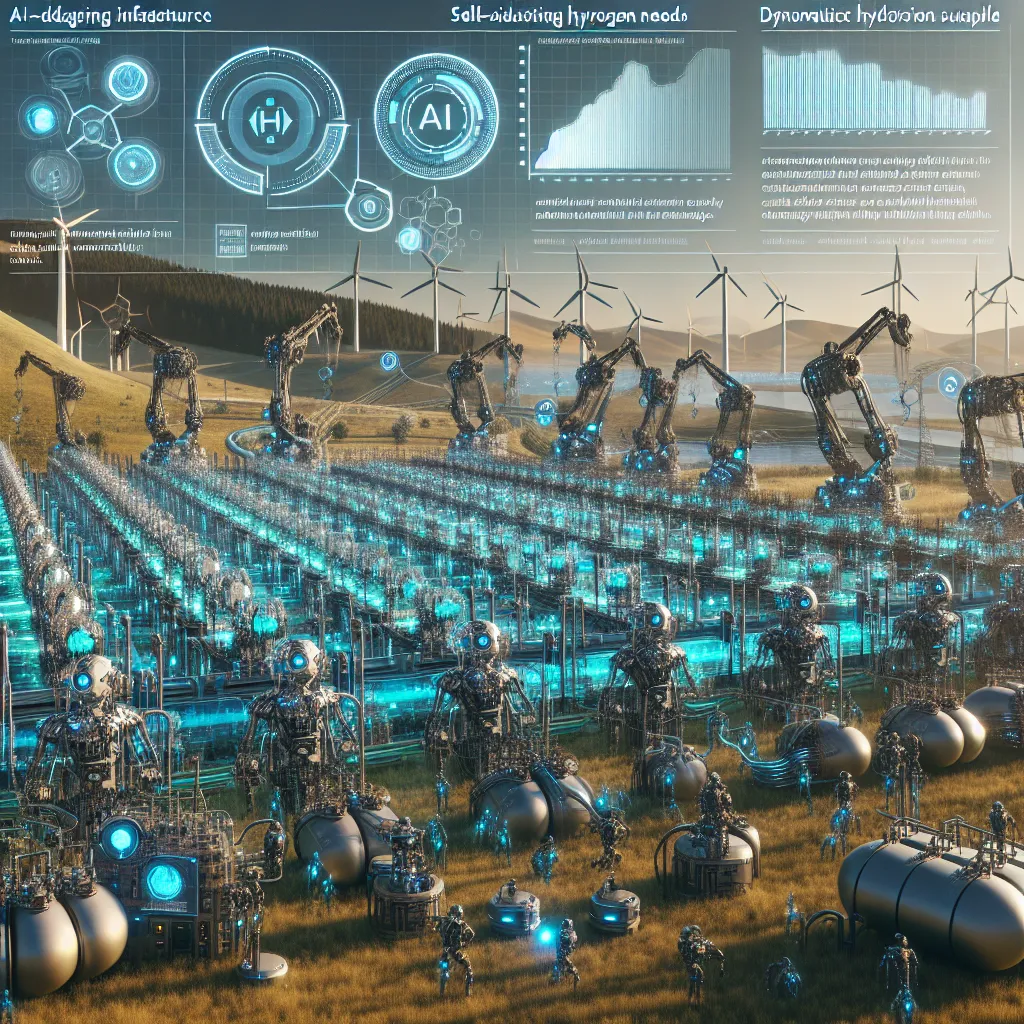
Current hydrogen infrastructure is static — pipelines are rigid, routes are fixed. Problem: future AI campuses will pop up wherever land, power, and water are cheap, far from today’s hydrogen networks. Solution: Build dynamic, modular hydrogen pipelines controlled by AI swarm networks — autonomous robots laying, adjusting, and rerouting pipelines in real-time based on demand surges, maintenance needs, and AI load forecasts. Why now? Advances in autonomous robotics (Boston Dynamics, Gecko Robotics) + AI logistics coordination make decentralized swarm networks viable. Example: A Meta campus in rural Montana sees a compute spike; AI swarm bots reroute hydrogen supply dynamically within 24 hours to meet demand.
Description
No additional description provided.
The Pitch
As we advance towards a future increasingly shaped by artificial intelligence (AI), the demand for efficient and adaptive energy infrastructure is paramount. The current hydrogen infrastructure is predominantly static, characterized by rigid pipelines and fixed routes. This setup is not agile enough to accommodate the sporadic and geographically diverse demands of future AI campuses. These campuses, projected to emerge in areas where land, power, and water are economically advantageous, will often be situated far from today’s hydrogen networks. This scenario presents a unique opportunity to innovate and revolutionize hydrogen supply systems.
Problem:
Traditional hydrogen supply chains are not equipped to handle the dynamic and unpredictable nature of future energy demands. AI campuses will need scalable and flexible energy solutions, as they cannot afford interruptions due to infrastructure constraints. The rigidity of current systems impedes rapid redeployment of resources, resulting in potential energy shortages and inefficiencies.
Solution:
The proposed solution is to develop dynamic, modular hydrogen pipelines managed by a network of AI-driven swarm robotics. These autonomous robots will have the capability to lay, adjust, and reroute hydrogen pipelines in real-time. The system will be proactive, responding to demand surges, maintenance requirements, and AI-driven load forecasts. This flexibility will dramatically reduce response times and increase the resilience and adaptability of hydrogen distribution networks.
Product Details:
1. **Modular Pipeline Units**: Lightweight, easy-to-assemble pipeline segments that can be quickly deployed or retracted by swarm robots.
2. **Swarm Robotics**: Inspired by advancements from companies like Boston Dynamics and Gecko Robotics, these robots will be designed to work collaboratively, laying and adjusting pipelines efficiently and autonomously.
3. **AI Coordination Network**: A sophisticated AI system to analyze energy demand in real-time, predict future needs, and direct the swarm robots accordingly.
4. **Real-time Monitoring & Feedback**: Sensors and IoT devices to continually monitor pipeline conditions and integrity, ensuring safety and effectiveness.
Tools for MVP Launch:
1. **Robotics Development Platforms**: Using tools like ROS (Robot Operating System) to develop the swarm robotics framework.
2. **AI Analytics Platforms**: Leveraging platforms such as TensorFlow or PyTorch for building the AI-driven logistics coordination system.
3. **IoT Devices**: Employing affordable sensors for real-time monitoring of hydrogen flow and pipeline integrity.
4. **Prototyping Services**: Utilizing rapid prototyping services (e.g., 3D printing) for developing and testing modular pipeline units.
Go-to-Market Strategy:
1. **Pilot Programs**: Initial deployment in collaboration with tech companies planning new AI campuses in remote areas.
2. **Partnerships**: Collaborate with firms in the fields of robotics, AI, and energy to leverage expertise and accelerate development.
3. **Regulatory Engagement**: Work with regulatory bodies to facilitate compliance and streamline approval processes for new infrastructure.
4. **Awareness Campaigns**: Educate potential customers and stakeholders on the benefits of dynamic hydrogen supply and its role in future-proofing energy needs.
Business Model:
1. **Subscription Services**: Offering a subscription-based model for ongoing maintenance and real-time adjustments of hydrogen pipelines.
2. **Licensing AI Technology**: License the AI logistics coordination technology to other industries looking for dynamic infrastructure solutions.
3. **Consultancy Services**: Provide expert consultancy for the design and implementation of bespoke hydrogen storage and delivery systems for AI campuses.
4. **Data Monetization**: Analyze and sell anonymized data insights on energy demands and usage patterns to relevant stakeholders.
By addressing these needs and leveraging cutting-edge technology, this new initiative will lay the groundwork for a more adaptable and energy-efficient future.