AI Compliance Platform for State and Federal Laws
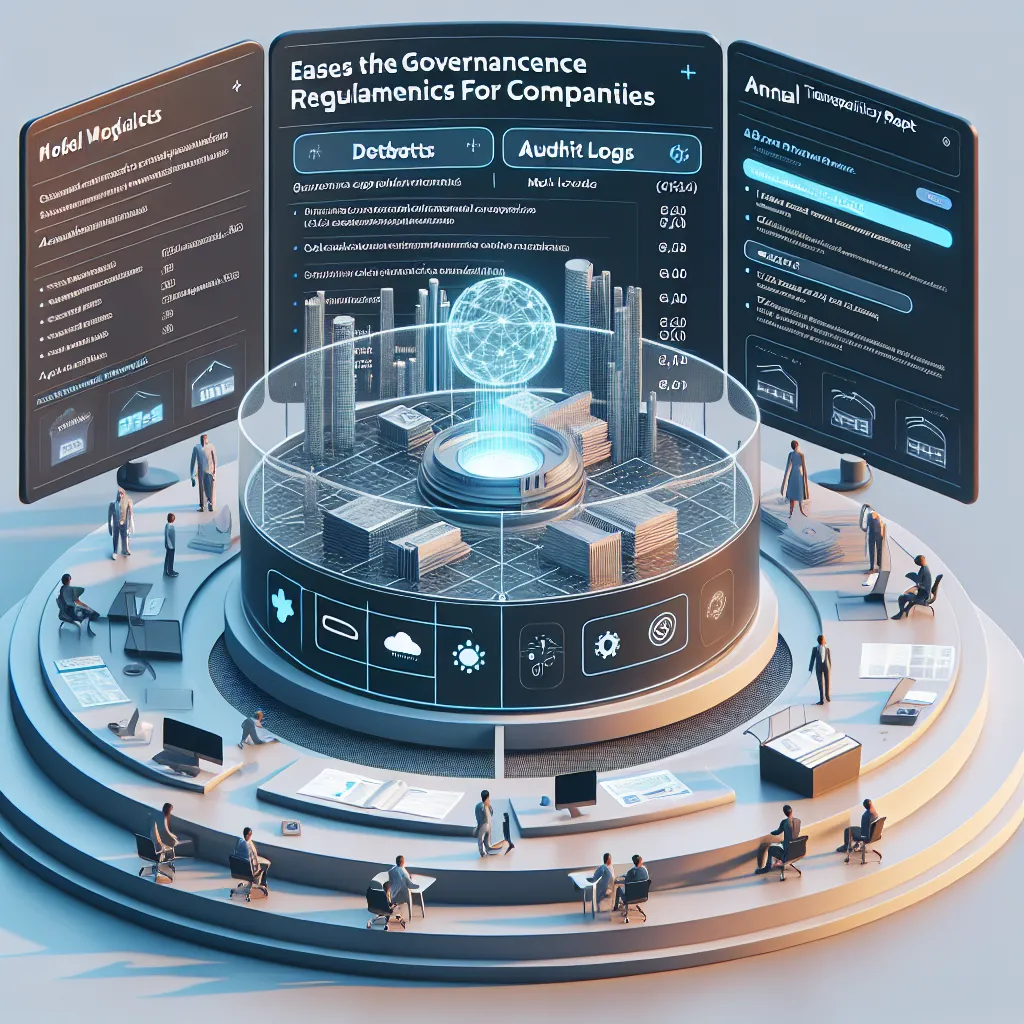
Companies using AI now face fragmented governance requirements that are accelerating across the U.S., creating compliance chaos and legal risk. Illinois HB 3529 (High-Impact AI Governance Principles and Disclosure Act) mandates companies with 10+ employees to publish annual AI transparency reports starting in 2026, detailing how they meet fairness, transparency, and accountability standards. The solution is a SaaS platform that automatically ingests a company’s AI model metadata—datasets, model versions, audit logs—and generates annual public-facing reports tailored to Illinois’s law and anticipated federal Algorithmic Accountability Act standards. It enables companies to ensure compliance and reduce exposure to regulatory penalties. This does not exist today in a turnkey, law-specific way because most “AI governance” tools are internal risk platforms, not public compliance solutions. As an example, a Chicago healthcare startup using LLMs for diagnostics would use this platform to fulfill Illinois’s transparency rules and extend compliance as other states and federal rules come online.
Description
No additional description provided.
The Pitch
In recent years, the rapid development and deployment of artificial intelligence (AI) across various industries have prompted both excitement and apprehension. While AI technologies bring transformative capabilities, they also introduce complex challenges, particularly around governance, transparency, and accountability. Companies harnessing the power of AI are now under increasing scrutiny from regulatory bodies aiming to safeguard public interests.
The regulatory landscape in the United States is evolving quickly, highlighted by legislative efforts such as Illinois's High-Impact AI Governance Principles and Disclosure Act (HB 3529). This new law compels companies with ten or more employees to produce annual AI transparency reports by 2026, detailing how they comply with fairness, transparency, and accountability standards. As states like Illinois blaze the trail, similar regulations are expected to emerge at both state and federal levels, including the anticipated Algorithmic Accountability Act. This indicates a substantial and immediate need for businesses to adapt to these legal changes to avoid compliance chaos and legal risks.
#### Problem
Current AI governance tools mainly focus on internal risk management, lacking features tailored for public compliance and disclosure. Many organizations, especially those with smaller compliance teams, may find it daunting to keep pace with fragmented and rapidly evolving regulations. The challenge accentuates with the need to compile, analyze, and report on expansive AI model metadata – datasets, model versions, audit logs, among others – to meet diverse legal requirements.
This legal patchwork and lack of specialized compliance tools can result in significant regulatory penalties and reputational damage for companies not adhering to the standards. The need for a solution that not only simplifies compliance processes but also aligns specifically with legislative requirements is urgent and unmet.
#### Solution
A Software-as-a-Service (SaaS) platform could serve as a comprehensive solution by automatically ingesting AI model metadata and generating custom annual transparency reports. These reports would align with Illinois HB 3529 and anticipate standards from potential federal regulations such as the Algorithmic Accountability Act. The platform would cater to various industries, ensuring that businesses can seamlessly meet new transparency requirements and extend compliance as regulations evolve.
The platform would provide an efficient and effective means for companies to deal with compliance, reduce exposure to regulatory sanctions, and maintain trust with stakeholders.
#### Product Details
- **Automatic Data Ingestion:** The platform would ingest metadata from AI models including datasets used, version control, and audit logs.
- **Regulation-Specific Reporting:** It would automate the generation of reports tailored to specific laws like Illinois HB 3529, with the capability to adapt to new laws as they arise.
- **User-Friendly Interface:** Designed for ease of use by compliance teams with varying levels of technical expertise, focusing on intuitive navigation and report customization.
- **Continuous Updates:** As legislation evolves, the platform would include automatic updates to report templates and compliance guidelines.
- **Sector-Specific Configurations:** Ability to configure settings specific to industry needs, providing more granular compliance solutions.
#### Tools for Easy Launch as an MVP
- **Cloud Infrastructure:** Utilize platforms like AWS or Google Cloud for scalable infrastructure.
- **Data Integration Tools:** Implement services like Apache NiFi or Talend for seamless data ingestion and transformation.
- **Report Generation Software:** Use libraries such as JasperReports or the BIRT Project to facilitate automated report creation and customization.
- **User Authentication and Security:** Employ Okta or Auth0 for robust user authentication and secure data access.
#### Go-to-Market (GTM) Strategy
- **Target Audience:** Focus initial marketing efforts on industries with high regulatory scrutiny like healthcare and finance, particularly companies operating in Illinois.
- **Partnerships:** Collaborate with legal and compliance advisory firms to establish credibility and extend outreach.
- **Educational Webinars:** Host informational sessions detailing the regulatory environment and platform capabilities, attracting interest and showcasing expertise.
- **Free Trials:** Offer limited-time access for prospects to experience the platform's features, encouraging adoption through demonstrated value.
- **Customer Testimonials:** Leverage early adopters’ success stories to build trust and credibility in the market.
#### Business Model
- **Subscription-Based Pricing:** Implement a tiered subscription model based on the number of AI models monitored and the size of the organization.
- **Implementation and Training Fees:** Offer optional services for platform setup and user training to ensure successful onboarding.
- **Consulting Services:** Provide additional revenue streams through tailored consulting on AI governance and compliance strategy.
In summary, the proposed SaaS platform represents a timely and strategic response to the emerging regulatory challenges faced by AI-driven companies. By focusing on compliance automation and customization, it can position itself as a vital tool in their risk management toolkit.