AI Compliance Copilot for Small Businesses
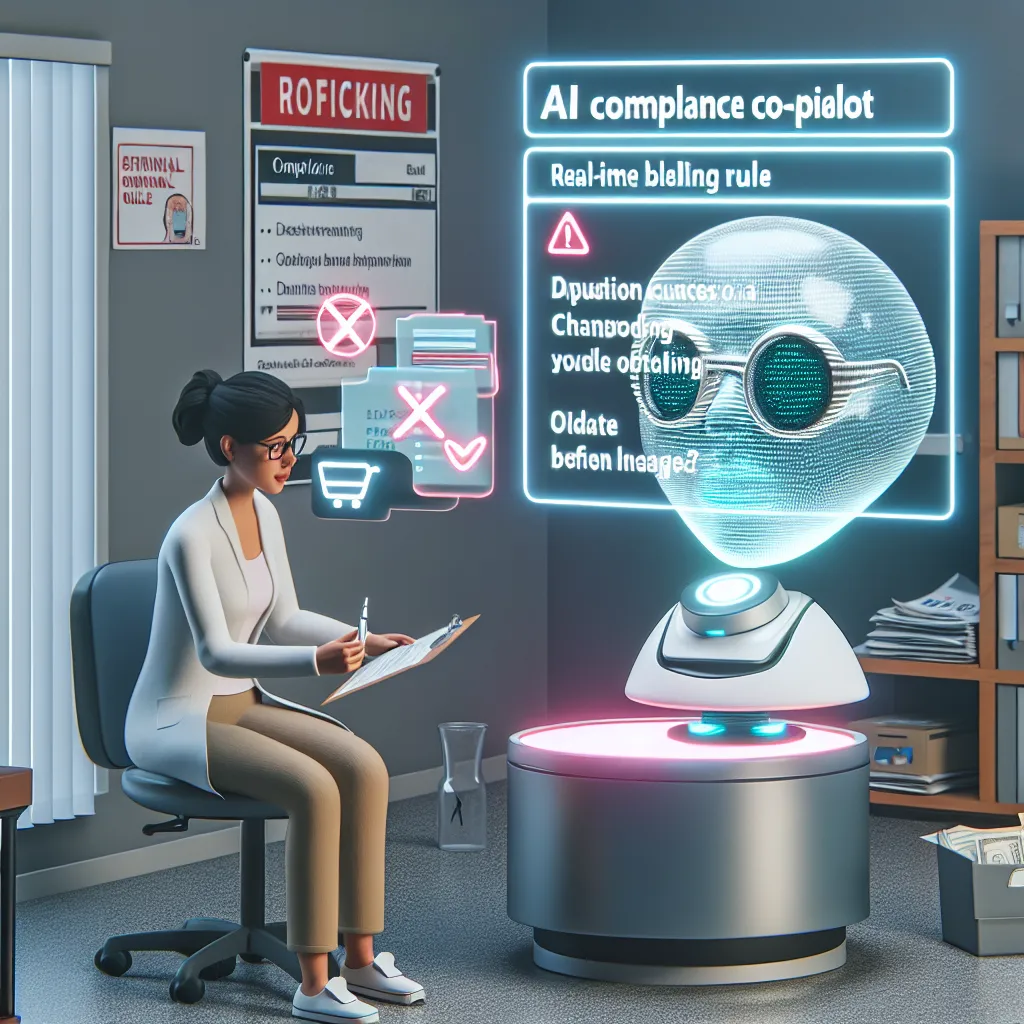
Small businesses are drowning in regulations—GDPR, HIPAA, tax rules—but don’t have compliance teams. They miss updates and risk massive fines. Build an AI compliance copilot that continuously monitors regulatory changes for a specific industry, summarizes what changed, and tells the owner exactly what action to take. Why now: regulations are increasing while AI can finally parse legal text reliably. Example: a small dental practice gets a notification that a billing rule changed, plus a checklist of exactly what to update before the deadline.
Description
No additional description provided.
The Pitch
Small businesses often grapple with the growing complexity of regulatory requirements such as GDPR, HIPAA, and various tax regulations. Unlike larger corporations, they typically lack dedicated compliance teams to manage these challenges. This results in many small businesses missing critical updates and risking severe penalties. This presents a unique opportunity to create an AI-driven compliance copilot tailored specifically for small businesses.
Backstory
The regulatory landscape has become increasingly intricate over the years. Businesses, particularly in specialized sectors like healthcare, finance, and retail, face a barrage of constantly evolving laws and guidelines. Traditionally, only large enterprises could afford teams of legal experts to track and interpret these changes. This disparity leaves small businesses vulnerable, as they struggle to keep up with regulatory demands while focusing on core business operations. However, advancements in AI technology now enable the parsing and summarization of complex legal documents, providing an unprecedented opportunity to level the playing field.
Problem
Small businesses encounter significant difficulties in staying compliant with ever-evolving regulations. The absence of dedicated compliance personnel means they frequently overlook crucial updates, increasing their exposure to financial penalties. The challenge lies in understanding what has changed, how it affects their operations, and what specific actions they need to undertake to remain compliant.
Solution
Develop an AI compliance copilot that continuously scans the regulatory environment for updates specific to an industry. This AI platform will provide concise summaries of changes, outline the potential impact on the business, and offer actionable steps to ensure compliance. The solution will cater to various industries, with tailored insights for each sector's unique regulatory needs.
Product Details
1. AI-Powered Monitoring
- Continuously scans official regulatory sources and legal documents relevant to the user's industry. - Filters out irrelevant information to deliver concise updates that matter to the business.
2. Summarized Insights
- Translates complex legal jargon into easy-to-understand summaries. - Highlights exactly what has changed and why it matters to the business.
3. Actionable Compliance Checklists
- Provides a checklist of tasks and adjustments necessary to comply with new regulations. - Offers step-by-step guidance to implement changes before deadlines.
4. Personalized Alerts
- Sends timely notifications to business owners or designated personnel. - Ensures that they are aware of imminent regulatory changes and their implications.
5. Industry-Specific Customization
- Enables users to choose their industry and receive tailored information relevant to their field. - Regularly updates the AI's understanding of industry-specific regulations and practices.
Tools for Launching as an MVP
- Natural Language Processing APIs such as OpenAI's GPT for text comprehension and summarization. - Web scraping and monitoring tools like Diffbot or Scrapy to track regulatory documents. - Real-time communication tools such as Slack or email integration for notifications. - User-friendly interfaces built using frameworks like React or Vue.js.
Go-to-Market Strategy
1. Identify Target Markets
- Focus initially on highly regulated industries with numerous small businesses, such as healthcare, finance, and retail.
2. Strategic Partnerships
- Collaborate with industry associations and professional networks to validate the product and gain initial traction. - Partner with compliance consulting firms to enhance credibility and broaden outreach.
3. Educational Campaigns
- Launch workshops, webinars, and content marketing to raise awareness about the importance of compliance. - Offer free trials or freemium models to encourage adoption and gather user feedback.
4. Direct Sales and Online Channels
- Utilize direct sales teams to approach small businesses in target sectors. - Leverage online marketing strategies, including search advertising, social media campaigns, and content marketing.
Business Model
Subscription-Based Model
- Offer tiered subscription plans based on the size of the business and the complexity of their regulatory environment. - Provide options for monthly or annual billing to ensure steady revenue while accommodating varying client needs.
Professional Services
- Offer additional consulting services for businesses requiring bespoke compliance strategies or in-depth analyses. - Host premium workshops or training sessions on compliance best practices.
Conclusion
Developing an AI compliance copilot addresses a critical pain point faced by small businesses, empowering them to proactively manage regulatory changes. By leveraging AI technology, the solution provides an accessible, efficient, and effective means for these businesses to stay compliant, thus reducing the risk of penalties and allowing them to focus on their core operational objectives.