AI Co-Pilot: Modernizing Legacy Systems Seamlessly
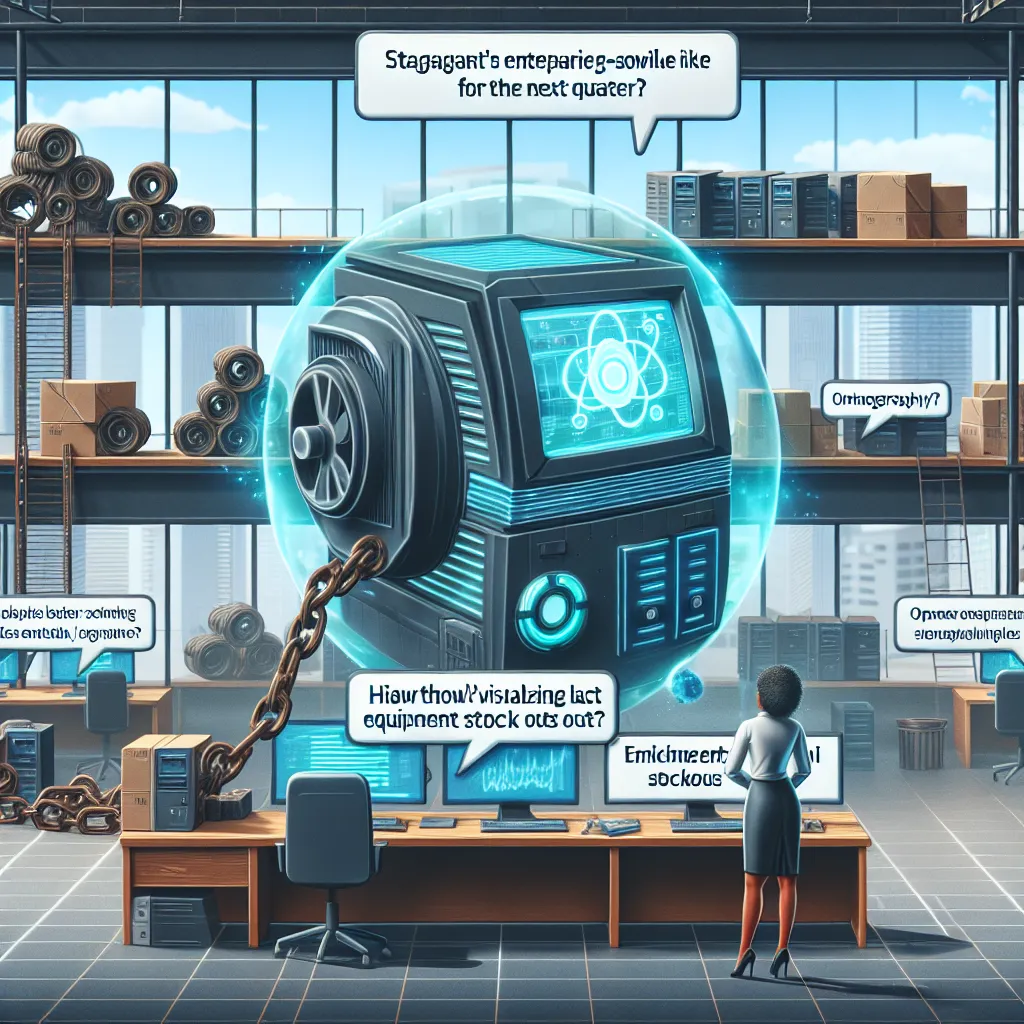
Enterprises are chained to legacy software — think SAP 2004 or ancient CRMs — which aren’t built for modern AI interfaces. Rip-and-replace is too costly. Solution: An AI co-pilot overlay that interfaces with old systems, allowing natural language queries, smart analytics, and suggestions without modifying the core software. Why Now: Enterprises desperately want AI productivity gains but fear legacy migration costs. Example: A manufacturing firm could use this to query their 15-year-old inventory system: “Show me stockouts likely next quarter” — without rewriting a line of old COBOL code.
Description
No additional description provided.
The Pitch
In today’s fast-paced business environment, many enterprises find themselves stuck with outdated software systems. These legacy systems, such as ERP solutions from the early 2000s or decade-old CRM platforms, are deeply embedded in the day-to-day operations of companies. While they have served their purpose over the years, these systems fall short when it comes to integrating modern AI capabilities, leaving businesses at a disadvantage. However, replacing these systems entirely would be prohibitively expensive and disruptive.
**The Problem**
The core problem here is twofold: First, these legacy platforms are unable to support AI-driven productivity enhancements. Second, transitioning to new systems requires a significant investment of time and resources, which many companies either cannot afford or are reluctant to undertake. As a result, enterprises are often left grappling with inefficiencies and unable to leverage the full potential of modern AI advancements.
**The Solution**
The proposed solution is an AI co-pilot overlay that integrates seamlessly with these legacy systems. This overlay would provide advanced functionalities, such as natural language processing for queries, intelligent analytics, and proactive suggestions, without necessitating any changes to the underlying software. By doing so, businesses can enhance their operations and decision-making processes, all while maintaining their existing software infrastructure.
**Product Details**
The AI co-pilot overlay is designed to act as an intermediary between the user and the legacy system. Key features include:
1. **Natural Language Querying**: Users can interact with their systems using everyday language, eliminating the need for complex command inputs or deep technical knowledge.
2. **Smart Analytics**: Advanced analytical tools that help users derive actionable insights from historical data stored in the legacy systems.
3. **Intelligent Suggestions**: AI-powered recommendations that assist users in optimizing processes, identifying trends, and forecasting outcomes.
4. **Seamless Integration**: The overlay can be easily installed with minimal disruption, providing a quick and cost-effective solution for enterprises seeking modern functionalities.
**Tools for MVP and Launch**
For those interested in developing and launching this product as a Minimum Viable Product (MVP), several tools and frameworks can expedite the process:
- **API Integration Platforms**: Tools such as MuleSoft or Boomi can facilitate integration with legacy systems. - **Natural Language Processing APIs**: Leverage solutions like Google's Dialogflow or OpenAI’s language models for building the query functionality. - **Data Analytics Platforms**: Use services like Tableau or Power BI for dynamic analytics and reporting features. - **Cloud Services**: AWS, Azure, or Google Cloud for scalable and secure hosting and computational resources.
**Go-To-Market Strategy**
The GTM strategy should focus on highlighting the cost-effectiveness and ease of integration of the AI co-pilot overlay. Key elements of this strategy include:
- **Targeted Marketing**: Identify and approach industries heavily reliant on legacy systems, such as manufacturing, finance, and logistics. - **Partnerships with IT Consultants**: Collaborate with IT service providers who already have footprints in companies using aging software. - **Webinars and Workshops**: Educate potential customers on the benefits and capabilities of the overlay through interactive online sessions.
**Business Model**
The business model for the AI co-pilot overlay could include several revenue streams:
- **Subscription-Based Model**: Offer tiered subscriptions based on the number of users or features. - **Integration and Support Services**: Charge for additional integration customization and ongoing support. - **Data Insights and Reports**: Provide premium analytics reports as an add-on service.
By effectively leveraging AI to modernize legacy systems through an easy-to-install overlay, enterprises can unlock new efficiencies and capabilities without the high costs and risks associated with system overhaul.