AI Biodiversity Monitoring Platform
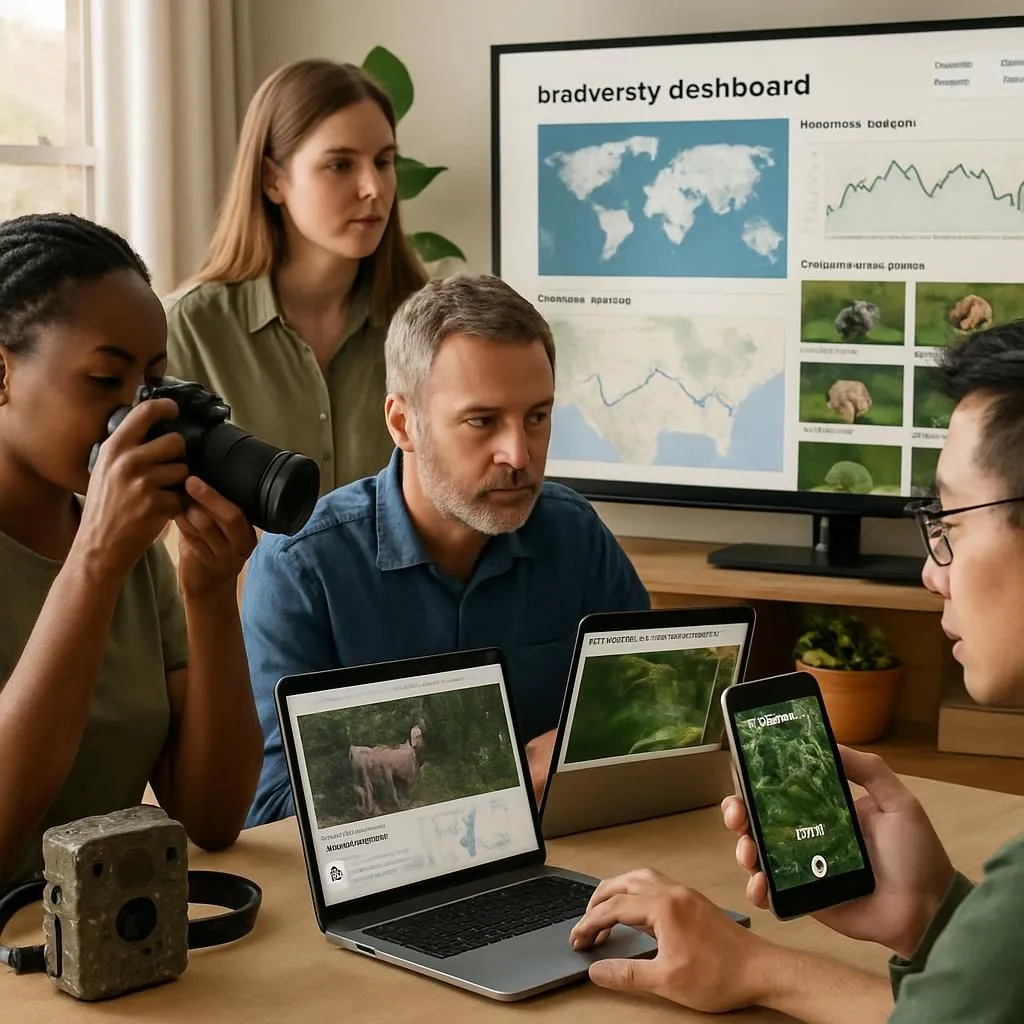
Conservation organizations, researchers, governments, and landowners all need better data about wildlife populations and ecosystem health. Meanwhile, millions of outdoor enthusiasts generate observations every day through photos, videos, trail cameras, and mobile devices. This startup creates a global biodiversity intelligence platform that uses AI to identify species, monitor population trends, and surface environmental changes from user-generated observations. The resulting data can support conservation planning, scientific research, tourism management, and environmental compliance. Advances in computer vision and AI make it possible to collect environmental intelligence at a scale that was previously impossible without massive field research budgets.
Description
No additional description provided.
The Pitch
Nature already has a sensor network; it just is not recognized as one. Hikers, birders, hunters, divers, park visitors, ranchers, and trail-camera owners are constantly capturing fragments of ecological reality, but those fragments mostly disappear into personal camera rolls or social feeds. A company that turns this ambient human attention into structured biodiversity intelligence would be converting an overlooked byproduct of recreation into a new layer of environmental infrastructure.
Wildlife data is unusually valuable because it is scarce, local, and time-sensitive. A single species sighting is not worth much in isolation, but repeated observations across geography and time can reveal migration shifts, invasive species spread, habitat stress, poaching pressure, disease risk, or climate effects before they appear in official reports. The business works if it can transform messy, uneven public observations into trusted signals that institutions cannot easily collect themselves. In other words, the product is not identification; the product is ecological change detection.
There is also a structural asymmetry in the market: the people producing the raw material often do it for enjoyment, status, curiosity, or stewardship, while the people who need the processed intelligence have budgets tied to regulation, land management, conservation, insurance, research, and infrastructure. That separation matters. It means the supply side can grow through participation and passion, while the demand side pays because bad ecological information creates real costs. Few data businesses get to combine unpaid distributed collection with high-stakes institutional demand.
The deeper opportunity is that biodiversity could become measurable in the way weather became measurable. Once observations are standardized, mapped, and compared over time, ecosystems stop being treated as vague background conditions and become legible operating environments. A park manager could understand visitor pressure on sensitive species; a developer could see compliance risk earlier; a conservation group could prioritize land purchases based on live biological evidence rather than stale surveys. Better measurement does not automatically protect nature, but it changes what can be argued, funded, enforced, and managed.
The company would be strongest if it earned trust as a neutral intelligence layer rather than as a consumer app with a conservation slogan. The hard part is not collecting more photos; it is creating confidence around provenance, uncertainty, bias, and absence. If it can make imperfect public observations scientifically useful without pretending they are perfect, it could become one of the basic information systems for a world where ecological risk is no longer peripheral.