AI-Based HREFs for LLM SEO
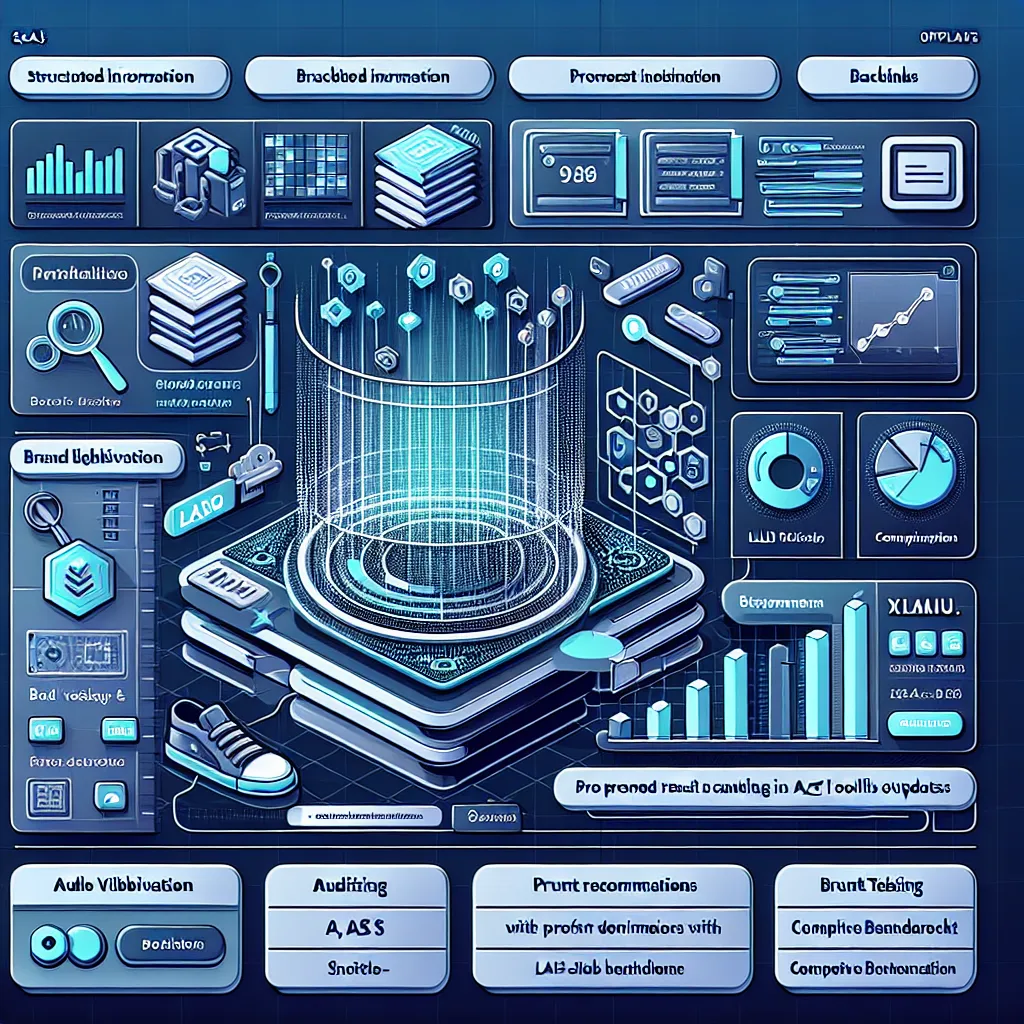
Businesses are increasingly discovered through AI tools like ChatGPT and Claude, but unlike traditional search engines, there's no clear visibility into how brands rank within these models. The problem is a lack of tools that audit, track, and improve a company’s presence across LLM-generated results. The solution is to build an “AI-based HREFs” — a SaaS platform that mimics the functionality of SEO tools like SEMrush but for LLMs. It would scan outputs from major models, evaluate brand visibility, benchmark against competitors, and recommend optimizations like structured data, backlinks, and LLM-specific phrasing. For example, a SaaS founder could use the tool to discover that their startup doesn’t appear in ChatGPT’s results for key industry queries. The platform would then suggest fixes and even automate prompt testing to improve rankings across multiple AI systems, positioning the business to capture more organic AI traffic.
Description
No additional description provided.
The Pitch
In today's digital landscape, businesses are increasingly discovered through emerging AI tools like ChatGPT and Claude. These tools, unlike traditional search engines, offer limited visibility into how brands rank within their results. This shift presents a significant problem for companies: there is a lack of specialized tools designed to audit, track, and enhance a company’s presence across AI-generated outputs from large language models or LLMs.
To address this challenge, we propose developing an innovative platform akin to an AI-based HREFs. This solution involves creating a SaaS platform designed to emulate the functionality of existing SEO tools such as SEMrush, but tailored specifically for LLMs. The core capabilities of this platform would involve scanning and analyzing outputs from major AI models. It would evaluate brand visibility, offer benchmarks against competitors, and provide actionable recommendations for optimizing presence. These recommendations would include strategies such as employing structured data, creating effective backlinks, and utilizing LLM-specific phrasing to enhance visibility.
For instance, a SaaS founder might discover, through this tool, that their startup lacks presence in ChatGPT's results when potential customers search for relevant industry queries. The platform would not only suggest tailored solutions to rectify this issue but could also automate the process of prompt testing. This automation would facilitate improvement in rankings across multiple AI systems, ultimately positioning the business to capture an increased volume of organic AI traffic.
The development of this platform as a minimum viable product (MVP) would involve several key elements and tools. Initial focus should be on creating a functional prototype that can access outputs from major LLMs, perform basic analysis, and generate reports. The following tools and technologies could expedite the MVP launch:
1. LLM APIs: Integrate with APIs from leading AI models such as OpenAI’s GPT or Anthropic’s models to access output data. 2. Cloud Infrastructure: Utilize cloud platforms like AWS or Google Cloud for scalable data processing and storage. 3. Data Analysis Libraries: Leverage Python libraries like Pandas and NumPy for data analysis, and visualization tools like Matplotlib and Plotly for report generation. 4. Automation Tools: Employ tools like Selenium for automating prompt testing and optimizations. 5. Web Frameworks: Use frameworks such as Django or Flask to develop the platform’s web application.
For effective go-to-market (GTM) strategy, the platform could initially target small to medium-sized businesses and startups that are tech-savvy and actively use digital marketing tools. Marketing efforts might include content marketing, webinars, and partnerships with tech incubators and digital marketing agencies. Demonstrating case studies and testimonials would be crucial in building credibility.
The business model could be subscription-based, offering tiered pricing plans that cater to different business sizes and needs. Additional revenue streams could include premium features such as personalized consulting services and in-depth reports. Providing a free trial or freemium version could also encourage adoption and engagement.
In summary, by offering comprehensive visibility and actionable insights into a brand’s presence across AI-generated content, this AI-based HREFs platform could become an indispensable tool for businesses aiming to thrive in the age of AI-driven discovery.