AI-Based App for Diverse, Waste-Free Recipes
An app where users input available ingredients, and an AI generates creative, culturally diverse recipes, complete with step-by-step instructions and nutritional breakdowns, optimized for minimal waste.
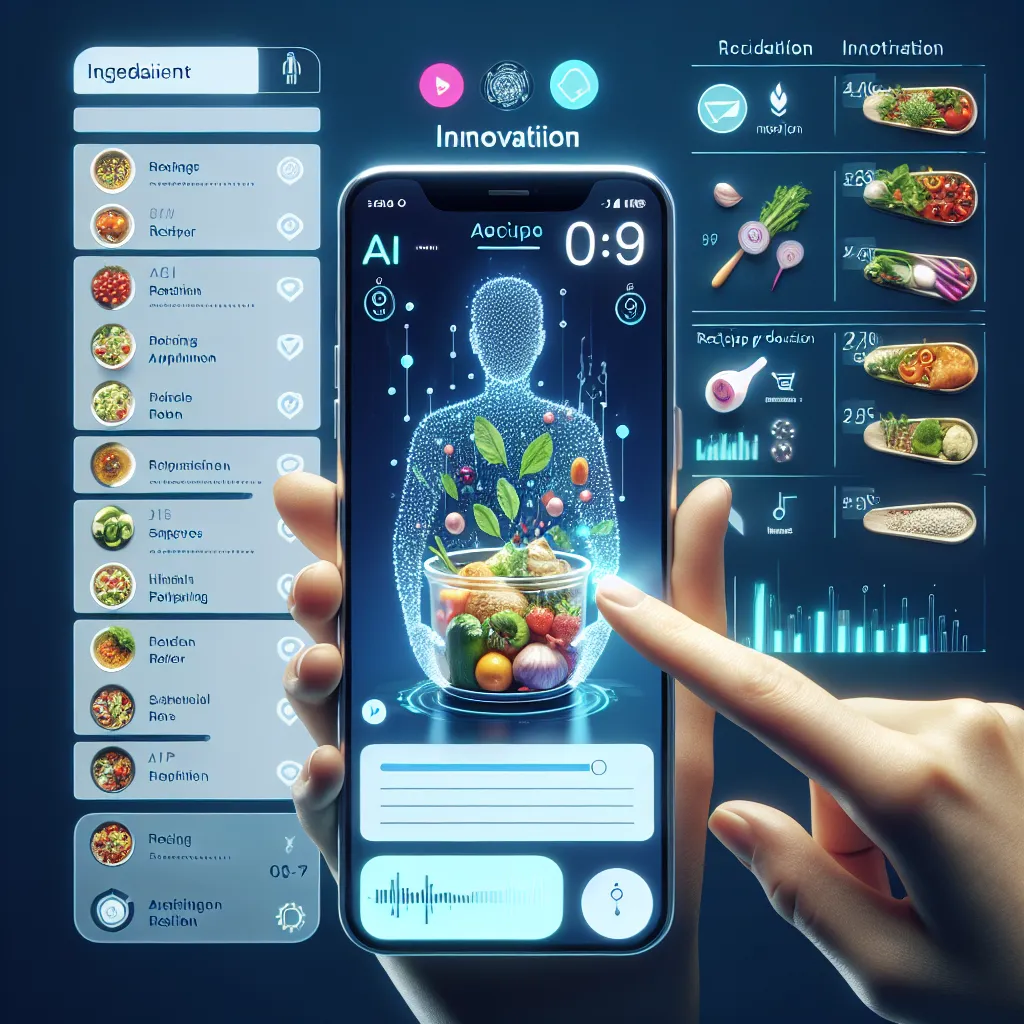
Description
No additional description provided.
The Pitch
**Backstory**
In a world increasingly driven by personal health awareness and environmentally friendly choices, the concept of our product germinated from a simple observation: many individuals struggle to utilize their pantry's full potential. This not only contributes to higher food wastage but also inhibits culinary creativity. Amidst this landscape, an opportunity was identified to help users make the most of what they have, prompting less waste and fostering a broader culinary culture, all from the comforts of one’s kitchen.
**The Problem**
Each year, a staggering amount of food waste is generated due to unused or overlooked ingredients in households. The root cause often traces back to a lack of inspiration or knowledge on how to incorporate disparate ingredients into palatable meals. Current recipe apps and platforms require users to search with specific recipes or ingredients in mind, which doesn't always align with the random assortment available at home.
This issue has both economic and environmental impacts, affecting household budgets and contributing to unnecessary carbon footprints. While some existing solutions offer recipe suggestions, they rarely optimize for minimizing waste, nor cater to the culturally diverse palates that represent our global community. For a founder, this backstory is crucial to articulate the societal and environmental impact potential to investors. For an engineer, understanding this user pain point is pivotal in crafting a solution that is both intuitive and impactful.
**The Solution**
This project aims to bridge this gap by creating an agile app tailored to suggest recipes based on the ingredients inputted by the user. Powered by AI, the app will scan through a vast database to suggest not just any recipe, but ones that embrace cultural diversity and aim for zero waste. Here’s how it functions:
1. **User Interaction**: Users will enter the ingredients they have at hand through a simple, intuitive interface. 2. **AI Algorithm**: Using advanced algorithms, the app will parse these inputs against a database filled with recipes from around the world. 3. **Recipe Output**: It will then output recipes that match the available ingredients. Furthermore, it will optimize suggestions based on nutritional value and minimal leftover ingredients. 4. **Step-by-Step Guidance**: For selected recipes, users will receive detailed cooking instructions.
If leveraging AI-driven development platforms, one might use specific prompts such as, Generate a culturally diverse recipe that uses [input ingredients list] while minimizing ingredient leftovers and maximizing nutritional value.
**Execution Plan**
**Technical Implementation**
The app will leverage a responsive web design to ensure accessibility across various devices. For the backend, consider using Python with Flask or Django due to their robustness for handling data-intensive applications. Utilize a SQL database for structured recipe and ingredient data storage. Initial development phases will focus on a minimal viable product (MVP) that includes core functionalities like ingredient input, basic AI recipe suggestions, and step-by-step instructions.
**Operational Considerations**
To maintain and scale this product, operational workflows such as regular database updates, AI training with new recipes, and user feedback mechanisms will be integral. Customer support processes will also be essential to assist users and gather valuable insights for iterative development.
**Marketing Strategy**
The go-to-market approach will leverage social media channels, food blogging communities, and partnerships with cooking influencers to create buzz and demonstrate the app's value. Early access or beta testing with food enthusiasts will help refine the product while generating early testimonials.
**Business Development & Partnerships**
Strategic partnerships with food magazines, culinary schools, and ingredient suppliers could expand the product’s reach and credibility. Exploring affiliate marketing with grocery delivery services could also enhance monetization strategies.
**Legal & Compliance**
It will be important to ensure compliance with data privacy laws, especially regarding user inputted data. Additionally, securing proper usage rights for recipes and cooking methods included in the database, either through direct partnerships or open licenses, will be crucial.
This guide is constructed to provide clarity and insight into the transformative potential of the app, ensuring both foundational integrity and detailed direction for each phase from conceptualization to market launch. The collaborative synergy between the founder’s vision and the engineer's execution is the cornerstone of turning this concept into a reality that could reshape home cooking experiences globally.