AI Authored: Publishing with a High-Speed, AI-Driven Book Creation and Distribution System
Description
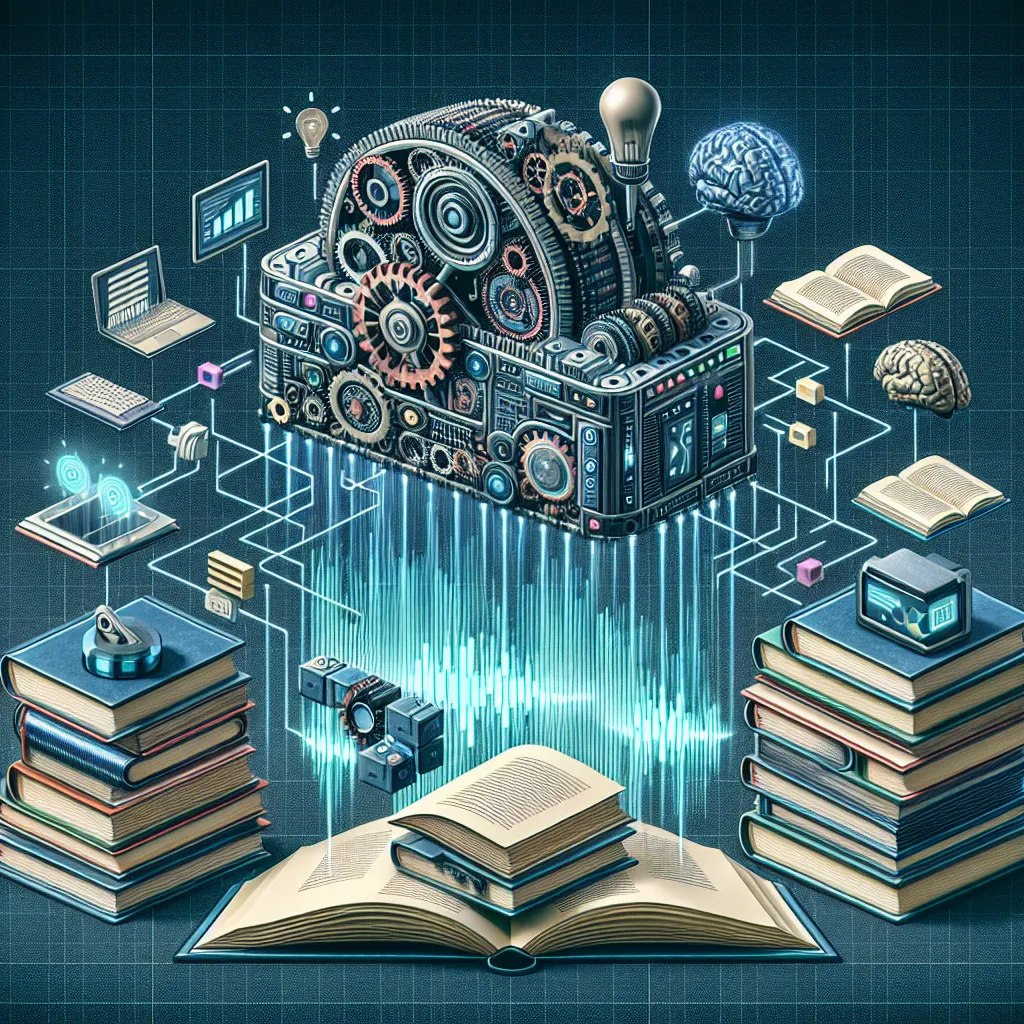
AI-Powered Book Empire: Developing a system that leverages AI to brainstorm book concepts, generate detailed outlines, write chapters, and create a high volume of books rapidly. This idea includes using AI for editing, formatting, and even audiobook narration, with a focus on efficiently producing and distributing large amounts of written content.
The Pitch
Step by Step on how to implement this:
1. Brainstorm Book Concepts Use AI to Generate Ideas: Start by using an AI tool like Cloe or GPT-4 to brainstorm over 100 book concepts. The AI can be prompted to generate ideas based on trending topics, popular genres, or niches that are currently underserved.
Analyze Market Trends: Use a tool like Jungle Scout to analyze Amazon’s best-seller lists. This will help identify gaps in the market, showing where there is high demand but low supply, and which types of books are currently performing well.
2. Create Detailed Book Outlines Generate Outlines with AI: Once you have your book concepts, use AI (like Cloe or ChatGPT) to create detailed outlines for each book. This should include chapter breakdowns, key points to cover, and any relevant research or case studies.
Refine Outlines: Refine these AI-generated outlines by injecting your own expertise or insights, ensuring they align with your vision and goals.
3. Draft the Book Content Write Chapters Using AI: With the outlines ready, you can use AI to draft the chapters. AI tools like Cloe can be trained to mimic a specific writing style, which can be refined by feeding it examples of your previous work or a desired writing style.
Edit and Refine: After the AI drafts the chapters, use tools like Grammarly and Hemingway App for real-time editing and proofreading. These tools will help enhance clarity, conciseness, and overall readability, ensuring the content is polished.
4. Design and Format the Book Use AI for Formatting: Tools like Lulu.com offer AI-powered formatting, preparing the manuscript for print or digital distribution. This includes adjusting layouts, margins, and fonts to ensure the book meets publishing standards.
Cover Design: For the book cover, AI tools like DALL-E or MidJourney can be used to generate cover art. However, given the current limitations of AI art in creating highly unique designs, it might be advisable to work with a professional designer or agency to finalize the cover.
5. Publish and Distribute Select Publishing Platforms: Use services like Draft2Digital, which provide tools for self-publishing, distribution, and print-on-demand. They offer support throughout the process, making it easier to get your book into the hands of readers.
Monitor Performance with Data Tools: Tools like BookStat can provide real-time data on how your book is performing in the market, including pre-orders, sales trends, and more. This data allows you to adjust marketing strategies and book positioning dynamically.
6. Audiobook Production AI Narration: Platforms like Findaway Voices offer AI-powered narration options, which can be used to quickly and cost-effectively produce audiobooks without needing to hire human narrators. This speeds up the production process and ensures consistent quality.
7. Market and Scale Leverage AI for Marketing: Use AI tools like Jasper AI to generate marketing content, SEO-optimized articles, and social media posts to promote your books. This helps to ensure that your marketing efforts are as scalable as your book production.
Scale Up: Once the system is running smoothly, you can scale up by repeating the process, potentially producing and releasing hundreds of books in a year across various niches and genres.
8. Continuous Improvement Refine AI Models: Continuously improve the AI models by feeding them more data, refining prompts, and adjusting strategies based on feedback and performance data. This ensures that the quality of the books improves over time.
Explore New Opportunities: As new AI tools and features emerge, integrate them into your workflow to stay ahead of the competition and continually enhance the efficiency and quality of your book production process.
By following these steps, you can build a system capable of producing a large volume of books quickly and efficiently, leveraging the power of AI to handle many of the traditionally time-consuming aspects of writing, editing, and publishing.