AI App for Personalized, Interactive Storytelling Experiences
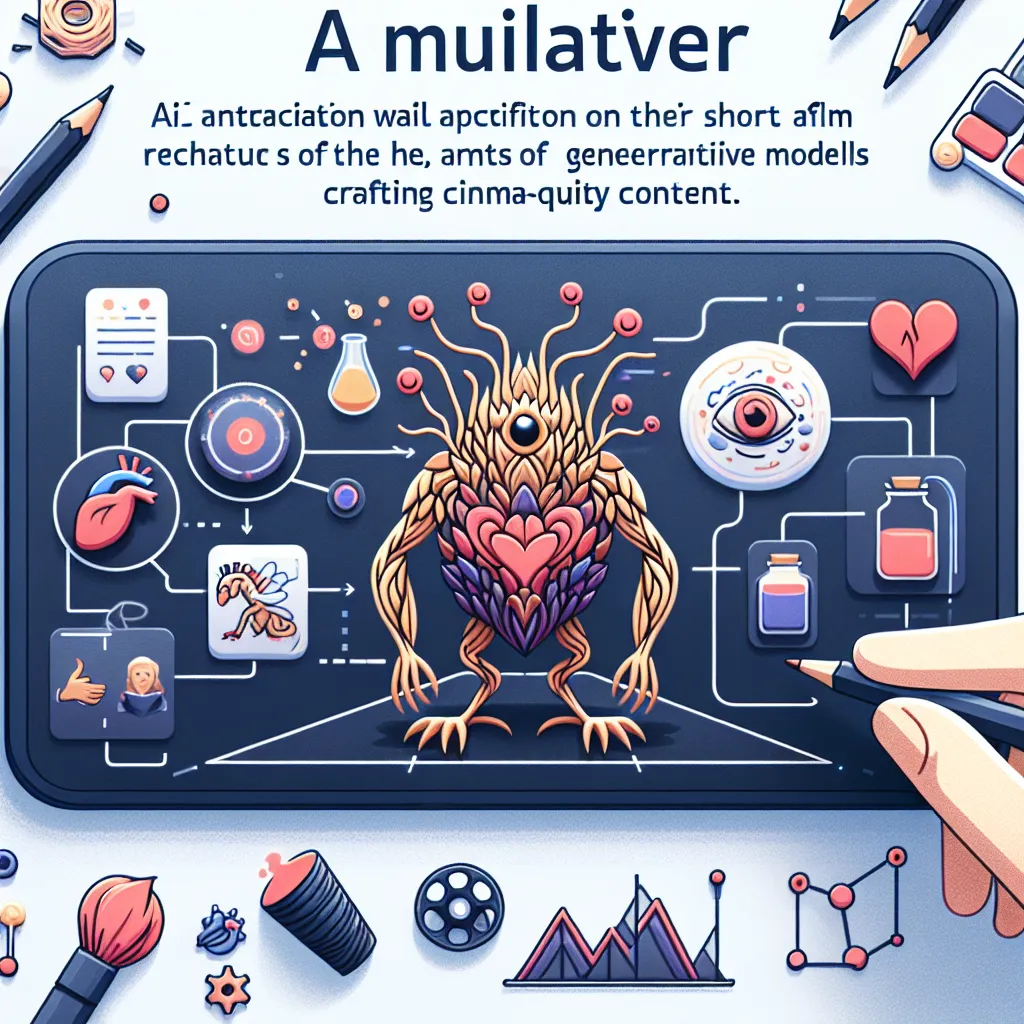
Audiences crave more interactive, personalized entertainment, but current storytelling is largely passive. The problem: creativity is limited to creators, not the audience. The solution: an AI app that lets users build their own “Frankenstein” monster by selecting attributes (e.g., heart of a poet, limbs of an athlete) and instantly generates a personalized short film narrating the creature’s life, triumphs, and demise. Why now: generative video models (like OpenAI’s Sora) are powerful enough to create cinematic content on demand. Consumers want to co-create, not just consume. Example: a user designs their unique monster, hits “create,” and in minutes watches a professionally narrated, AI-generated animated movie telling their creature’s journey. No tool today combines creative customization with on-demand cinematic storytelling, especially with a universal theme like Frankenstein.
Description
No additional description provided.
The Pitch
In recent years, the demand for more interactive and personalized forms of entertainment has surged. Audiences are increasingly looking for ways to engage with content in a manner that allows them to leave a personal imprint. Despite this trend, much of the storytelling landscape remains passive, with consumers restricted to the roles of observers rather than participants. The issue at hand is that creativity has traditionally been the domain of creators, excluding the audience from active participation in the narrative process.
The opportunity for a shift in this dynamic is ripe thanks to advancements in technology. Imagine an AI-powered application that allows users to create their own unique Frankenstein monster by selecting various attributes, such as the heart of a poet or limbs of an athlete. Upon finalizing their selections, the app instantly generates a personalized short film narrating the life, achievements, and eventual demise of the creature they designed. This innovative solution would empower users to co-create stories, offering a level of interactivity and personalization previously unavailable.
Advancements in generative video models, such as OpenAI's Sora, have reached a point where they can produce cinematic content on demand, providing the perfect technological backbone for this concept. Consumers are now looking for more than just passive consumption; they want to be an integral part of the creative process.
The potential product leverages AI to blend creative customization with on-demand cinematic storytelling, a combination not yet available in the market, particularly using a universally recognized theme like Frankenstein. A user would engage with the app by designing their unique monster, specifying its attributes and characteristics, and finally, clicking create to watch a professionally narrated, AI-generated animated movie detailing their creature's journey. This experience merges the thrill of creation with the satisfaction of storytelling in a completely novel way.
For those interested in building this concept, the following tools and strategies can streamline the development and launch of a minimum viable product (MVP):
1. Development Tools: Utilize AI frameworks and platforms capable of generative video production, such as OpenAI's tools for content generation. Additionally, employ animation software to enable the rendering of the user-designed characters and environments.
2. User Interface and Experience Design: Focus on creating an intuitive interface that guides users through the creative process effortlessly. Tools like Figma or Sketch can be employed for design prototyping.
3. Cloud Infrastructure: Leverage cloud services like AWS or Google Cloud to manage the computational demands of rendering and serving the AI-generated videos.
4. GTM Strategy: Focus on building a community-driven approach to gain initial traction. Early adopters can be engaged through platforms like Kickstarter, providing feedback and spreading the word. Social media campaigns showcasing user-generated content can further amplify reach.
5. Business Model: Adopt a freemium model where users can access basic features for free, while offering premium options such as additional attributes for character creation, higher-quality video rendering, and exclusive storytelling elements as part of a subscription package.
This approach not only addresses the growing demand for interactive entertainment but also taps into the cultural resonance of Frankenstein as a theme, promising a unique experience that celebrates creativity through collaboration between technology and users.