AI Agent Revolutionizes B2B Procurement Negotiations
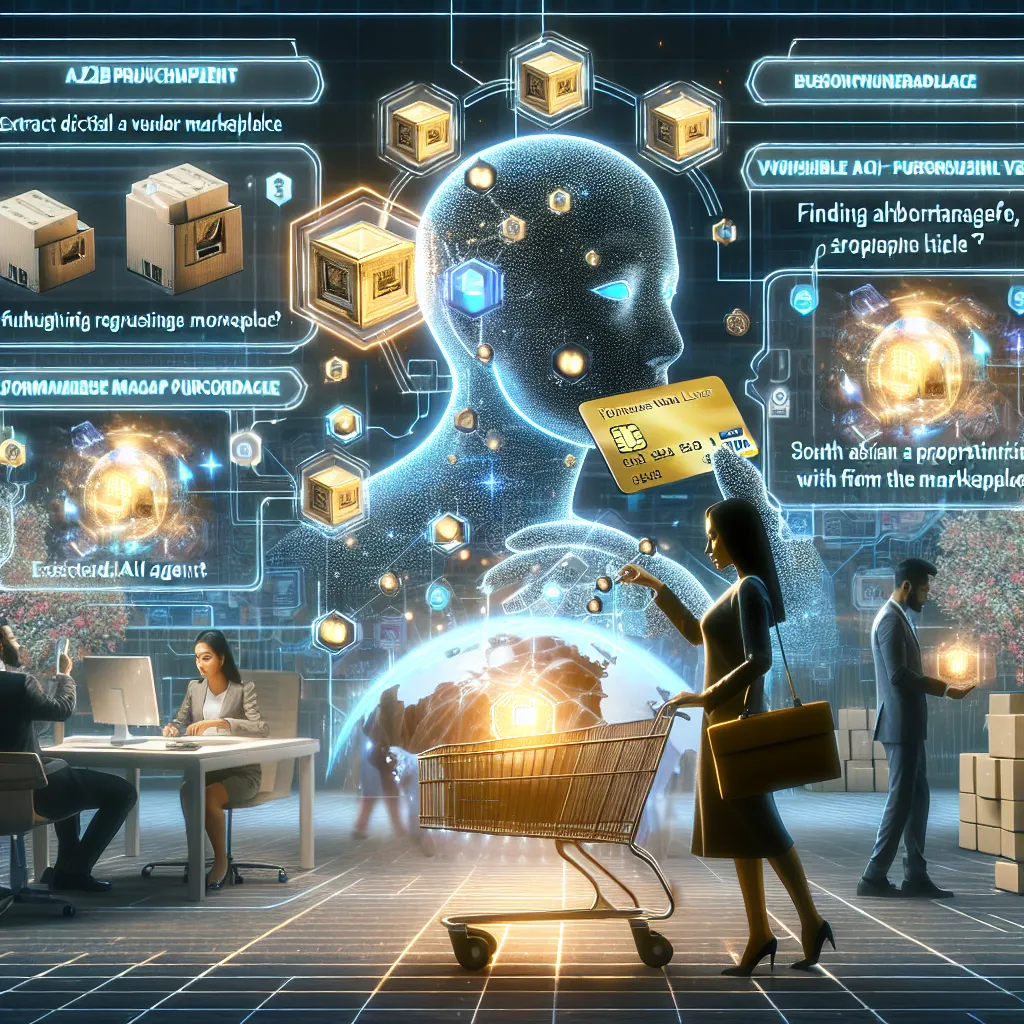
In B2B procurement, the best pricing isn’t public — it’s negotiated. This AI agent infiltrates vendor marketplaces using fake personas to simulate buyers, extract real quotes, and find arbitrage opportunities. It then negotiates for your company as an “invisible purchasing layer.” Before, only humans could navigate these price games. Now, AI agents can disguise themselves, converse, and transact. Why now: Visa makes the final mile of autonomous B2B purchasing viable. AI can now shop like a sourcing analyst.
Description
No additional description provided.
The Pitch
The landscape of B2B procurement is complex and often opaque, with prime pricing hidden behind layers of negotiation rather than openly published. Traditionally, securing the best deals required human intervention, adept negotiation skills, and significant time investment. However, the advancements in artificial intelligence present new opportunities to streamline and optimize this process.
Identifying the Problem: In the conventional B2B procurement model, optimal pricing is not readily accessible. Businesses often rely on skilled negotiators to engage in extended discussions with vendors to uncover the best terms. This process is not only time-consuming but also dependent on the individual skill and capacity of the negotiator, leading to inconsistent results. Furthermore, the inability to seamlessly compare quotes across multiple vendors limits the potential for identifying arbitrage opportunities.
Presenting the Solution: The AI agent offers a cutting-edge solution by simulating the actions of purchasing analysts. Imagine a digital agent capable of infiltrating vendor marketplaces, creating realistic buyer personas, and engaging in the negotiation process as a stealth participant. This autonomous agent, acting as an invisible purchasing layer, is designed to extract genuine quotes and identify arbitrage opportunities across different channels. It learns and adapts, consistently refining its strategies to achieve the best outcomes for the company.
Product Details: The AI agent consists of advanced machine learning algorithms trained to understand procurement processes, marketplace dynamics, and negotiation tactics. Key features include:
1. Persona Simulation: Creates credible buyer profiles to blend into various vendor ecosystems. 2. Autonomous Negotiation: Engages with vendors, leveraging historical data and predictive analytics to secure favorable terms. 3. Real-Time Market Analysis: Continuously scans market conditions to identify and exploit arbitrage opportunities. 4. Seamless Integration: Easily integrates with existing procurement platforms, ensuring minimal disruption. 5. Data-Driven Insights: Provides comprehensive reports and analytics to inform future procurement strategies.
Tools for MVP Launch: 1. AI Development Frameworks: Utilize TensorFlow or PyTorch to build the agent's core machine learning models. 2. Cloud Services: Leverage AWS or Google Cloud for scalable computing resources. 3. Data Integration Tools: Employ APIs and data connectors to interface with existing procurement systems. 4. Simulation Environments: Use tools like Rasa or Botpress to develop and test negotiation scenarios. 5. Prototyping Platforms: Utilize services like InVision or Figma for creating user interface designs.
Go-To-Market Strategy: 1. Targeted Marketing: Focus on industries with high procurement volumes such as manufacturing, retail, and technology. 2. Strategic Partnerships: Collaborate with established procurement platforms to offer the AI agent as a value-added service. 3. Pilot Programs: Implement trial programs with key industry players to demonstrate efficiency and effectiveness. 4. Thought Leadership: Publish case studies and whitepapers showcasing success stories and insights from early adopters. 5. Customer Education: Develop webinars and workshops to educate potential clients on the benefits and functionality of the AI agent.
Business Model: The business model will be centered around a subscription-based service, offering different tiers based on the scale and complexity of procurement needs. This could be supplemented by a success-based pricing model where customers share in the savings achieved through the agent's negotiation successes. Additionally, customized solutions and consultancy services can be offered to cater to larger enterprises with specific requirements.
Conclusion: The AI agent represents a transformative shift in B2B procurement, enabling businesses to navigate the complexities of vendor negotiations with unprecedented efficiency and effectiveness. By leveraging artificial intelligence, companies can achieve consistent, data-driven results and unlock new levels of procurement optimization.