AI Agent for Automating Orders on Old Websites
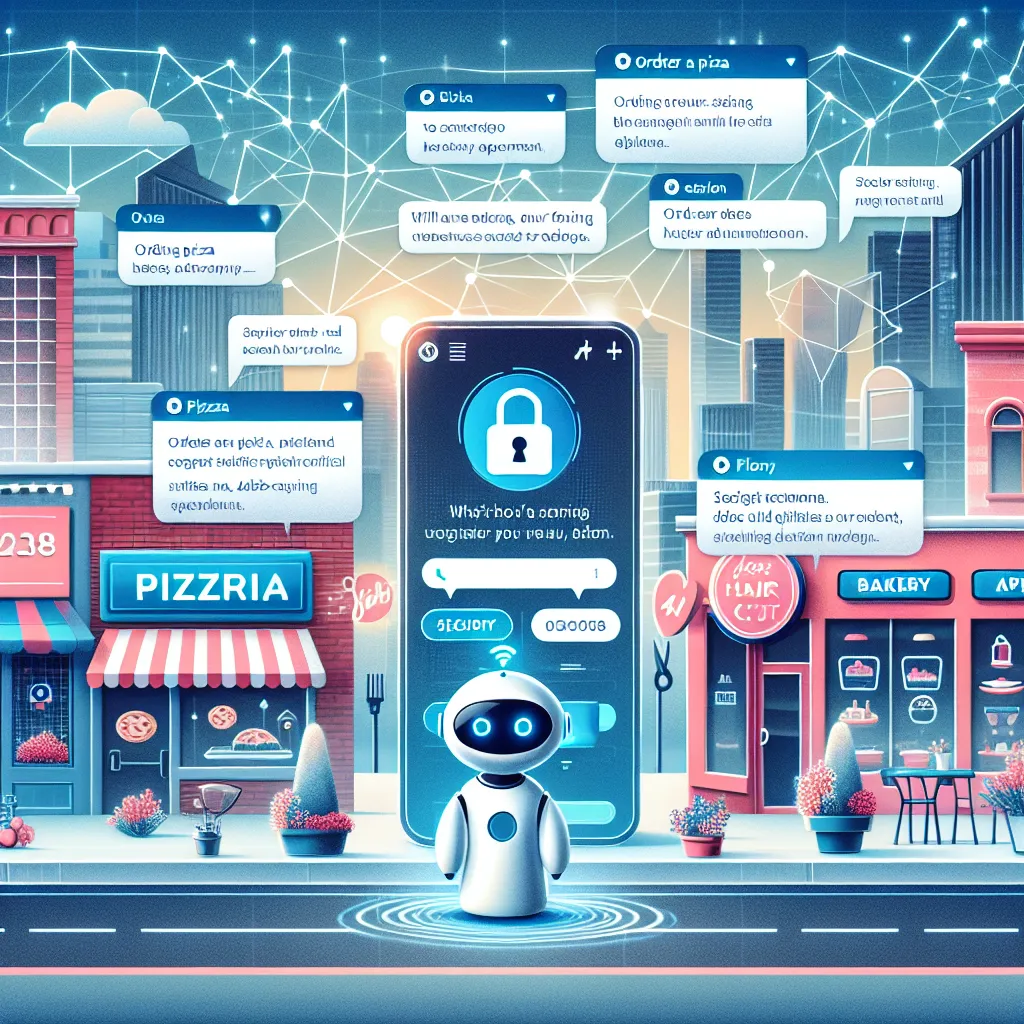
Many small businesses still rely on outdated websites with no ordering or automation functionality. An AI web agent that interacts with public-facing websites (without official APIs) to help users perform tasks like ordering food, booking appointments, or making reservations could bridge this gap. Built with security and UX in mind, this tool would allow users to interact naturally (via chatbot) with businesses that haven’t upgraded. An agent that ordered pizza through an unofficial Domino’s API and noted, “It would then call the Domino’s API, make a payment and all that stuff.” Imagine scaling this to florists, barbers, or local bakeries—especially in regions where digital adoption lags.
Description
No additional description provided.
The Pitch
In today's digital age, a significant number of small businesses still operate using outdated websites lacking the functionality for online ordering, appointment booking, or automated customer service. This creates a gap for consumers who expect seamless digital interactions. An innovative solution is the development of an AI web agent. This agent would interact with public-facing websites without requiring official APIs, enabling customers to perform tasks such as ordering food, making reservations, or booking appointments efficiently. Prioritizing security and user experience, this AI tool can provide a natural, chatbot-like interaction with businesses that have not yet embraced advanced digital solutions.
Backstory:
Many small enterprises, particularly in regions with slower digital adoption, struggle to keep up with technological advancements. These businesses often have websites that serve merely as informational portals without interactive or transactional functionalities. This gap not only hinders customer experience but also limits their market reach and growth potential. The demand for an effortless and digital-first interaction is more critical than ever, especially after the global increase in online transactions driven by recent world events.
Problem:
The challenge lies in the lack of a unified solution that allows consumers to interact effortlessly with outdated websites. While some large companies offer official APIs to facilitate such interactions, numerous small businesses do not have the resources or technical expertise to implement similar solutions. This results in missed opportunities for customer engagement and revenue generation.
Solution:
The development of an AI web agent capable of interacting with the front-end of existing websites without requiring an official API can address this issue. This agent will simulate human interactions to perform various tasks for users. By using advanced natural language processing and machine learning, the AI can understand user commands and execute necessary actions on the website.
Product Details:
The AI web agent will be designed with the following features:
1. Chatbot Interface: Users can interact with the agent through a familiar chat interface, making it easy to use for all demographics.
2. Website Interaction: The agent will navigate websites, fill forms, submit orders, and complete transactions by simulating user interactions.
3. Secure Transactions: Prioritize user data security by implementing encryption and secure payment gateways.
4. Learning and Adaptation: The AI will continually learn from user interactions to enhance its understanding and efficiency.
5. Multi-Industry Application: Initially designed for high-demand sectors such as food delivery, salons, and local services, with potential expansion to other industries in future iterations.
Tools for MVP Launch:
- Backend Development: Python and Flask/Django for server-side development.
- Frontend Development: React.js for building interactive user interfaces.
- AI and NLP: Use of TensorFlow or PyTorch for developing advanced language models.
- Web Scraping: Beautiful Soup or Selenium for interacting with websites.
- Payment Integration: Stripe or PayPal for secure transactions.
Go-To-Market Strategy:
1. Pilot Launch: Begin with a small-scale pilot program targeting specific industries to refine the product.
2. Partnerships: Collaborate with local business associations to onboard early adopters.
3. Marketing Campaigns: Utilize social media and digital marketing to generate awareness and interest.
4. User Education: Provide tutorials and demonstrations to help businesses and users understand the benefits and usage of the AI agent.
5. Feedback and Iterate: Gather user feedback to enhance features and ensure the product meets market needs.
Business Model:
The business model can include multiple revenue streams:
1. Subscription Model: Charge businesses a monthly fee for accessing the AI web agent services.
2. Transaction Fee: Implement a small fee per transaction completed through the AI agent.
3. Premium Services: Offer advanced analytics and customized solutions at a premium price.
By leveraging the power of AI and focusing on a user-friendly experience, this solution aims to bridge the digital divide for small businesses. By doing so, it opens up new growth opportunities and enhances customer satisfaction and engagement.