AI Acceptance Reality Check for Marketers
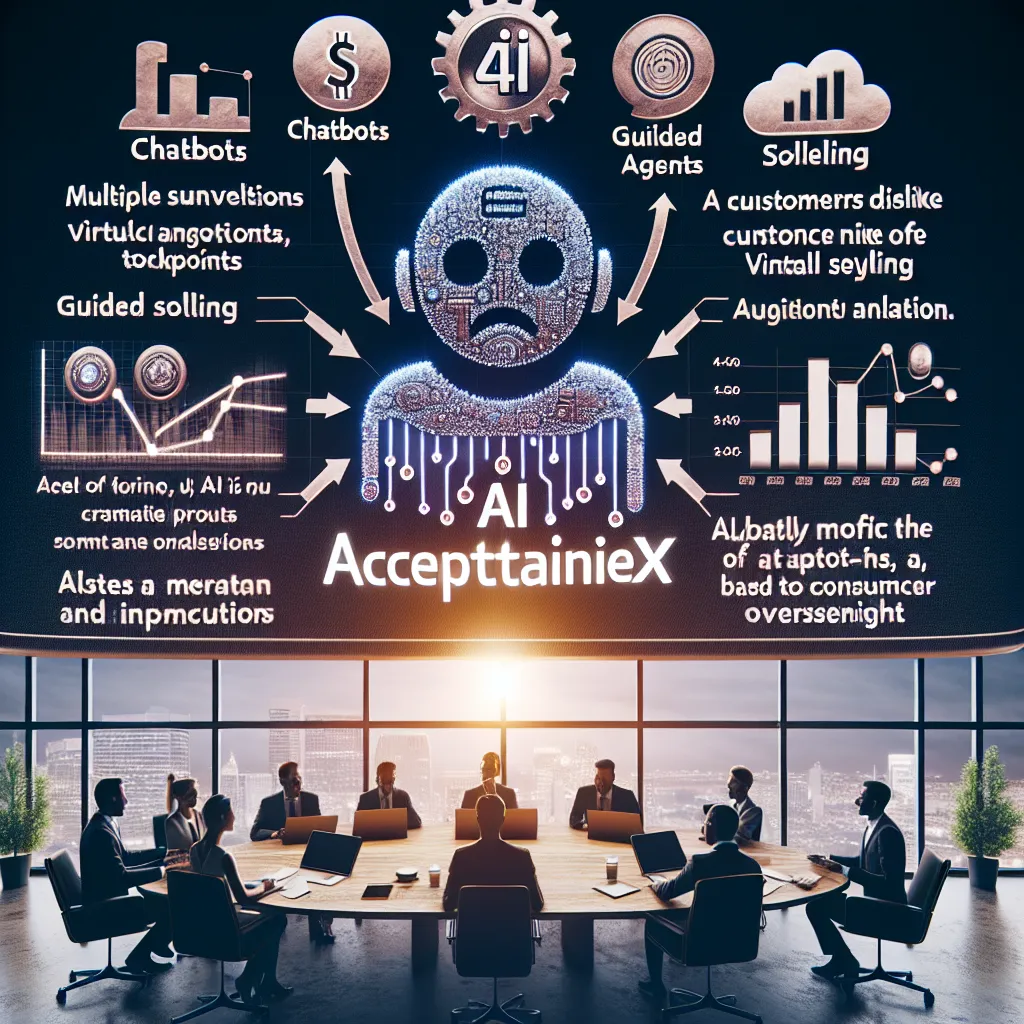
Marketers think consumers love AI, but consumers report the opposite—creating a massive blind spot that kills conversion. AI Perception Reality Monitor continuously surveys micro-samples of real users across every AI touchpoint (chatbots, virtual agents, guided selling), runs sentiment analysis, and scores the brand’s “AI acceptance index.” Why now: Companies overestimate AI performance by 50%+, yet have no feedback loop. Example: A financial services brand learns customers actually hate its new chatbot tone; the platform auto-adjusts tone, phrasing, and escalation logic overnight.
Description
No additional description provided.
The Pitch
Artificial intelligence (AI) is transforming industries by enhancing customer interaction through chatbots, virtual agents, and guided selling, yet there is a disconnect between marketers' perceptions and consumer realities. Many companies mistakenly believe their AI systems perform optimally, but consumers often hold contrary opinions, resulting in missed conversion opportunities. Addressing this gap requires a solution that offers continuous feedback from real users, sentiment analysis, and actionable insights to improve AI performance.
Backstory:
As AI technology advances, businesses increasingly integrate AI-driven solutions to enhance customer experiences. However, many organizations face a critical blind spot: they overestimate AI performance and lack a mechanism to gauge real-time consumer sentiment towards these technologies. This discrepancy leads to unsatisfactory customer interactions, reduced satisfaction, and hindered conversion rates. Businesses need a way to bridge this understanding gap to enhance their AI technology's acceptance and efficacy.
Problem:
The major issue faced by companies is the lack of accurate, continuous feedback on how consumers perceive and interact with their AI technologies. While marketers assume customers are satisfied, actual sentiment often reveals dissatisfaction with AI's tone, phrasing, and interaction logic. Without a tool to continuously gauge customer feedback and adapt AI behavior accordingly, companies risk alienating customers and losing potential conversions.
Solution:
AI Perception Reality Monitor is an innovative platform that surveys micro-samples of users interacting with AI touchpoints. Through comprehensive sentiment analysis, it provides a detailed AI acceptance index, allowing businesses to understand consumer perceptions thoroughly. With real-time feedback, companies can adjust AI's tone, phrasing, and logic, ensuring a positive user experience and enhancing conversion rates.
Product Details:
1. Real-time Sentiment Analysis: By continuously analyzing consumer feedback, the platform identifies patterns and trends in user sentiment towards AI interactions. 2. AI Acceptance Index: This unique scoring system quantifies consumer sentiment, offering an easy-to-understand metric for evaluating AI performance. 3. Automated Adjustments: When negative sentiment is detected, the platform automatically refines AI behavior, including tone, language, and escalation pathways. 4. Comprehensive Reporting: Companies receive detailed reports outlining customer sentiment and AI performance, empowering data-driven decision-making.
Tools for MVP Launch:
1. Survey Tools: Integrate with platforms like SurveyMonkey or Google Forms for seamless user feedback collection. 2. Sentiment Analysis APIs: Utilize services like IBM Watson or Microsoft's Text Analytics API to analyze text data. 3. AI Development Frameworks: Implement solutions using TensorFlow or PyTorch for AI behavior adjustments. 4. Reporting Tools: Platforms such as Tableau or Power BI can offer detailed insights and visualization of AI acceptance metrics.
GTM Strategy:
1. Target Audience: Focus on industries heavily reliant on AI interactions, such as e-commerce, financial services, and customer support. 2. Marketing Channels: Leverage digital marketing, webinars, and industry conferences to reach key decision-makers. 3. Partnership Opportunities: Collaborate with AI developers and consultants to expand the platform's reach and credibility. 4. Customer Testimonials: Use case studies and early adopters' testimonials to build trust and demonstrate the platform's value.
Business Model:
1. Subscription-Based Pricing: Offer tiered subscription plans based on the volume of AI interactions and analysis features required. 2. Custom Solutions: Provide tailored services for enterprises with unique needs or higher interaction volumes. 3. Freemium Model: Offer a basic version to allow businesses to test the platform, with the option to upgrade for additional features.
By addressing the crucial gap between AI perception and reality, the AI Perception Reality Monitor empowers businesses to enhance customer experiences, optimize AI interactions, and ultimately increase conversions.