Aging-in-Place Insurance with Integrated Tech Solutions
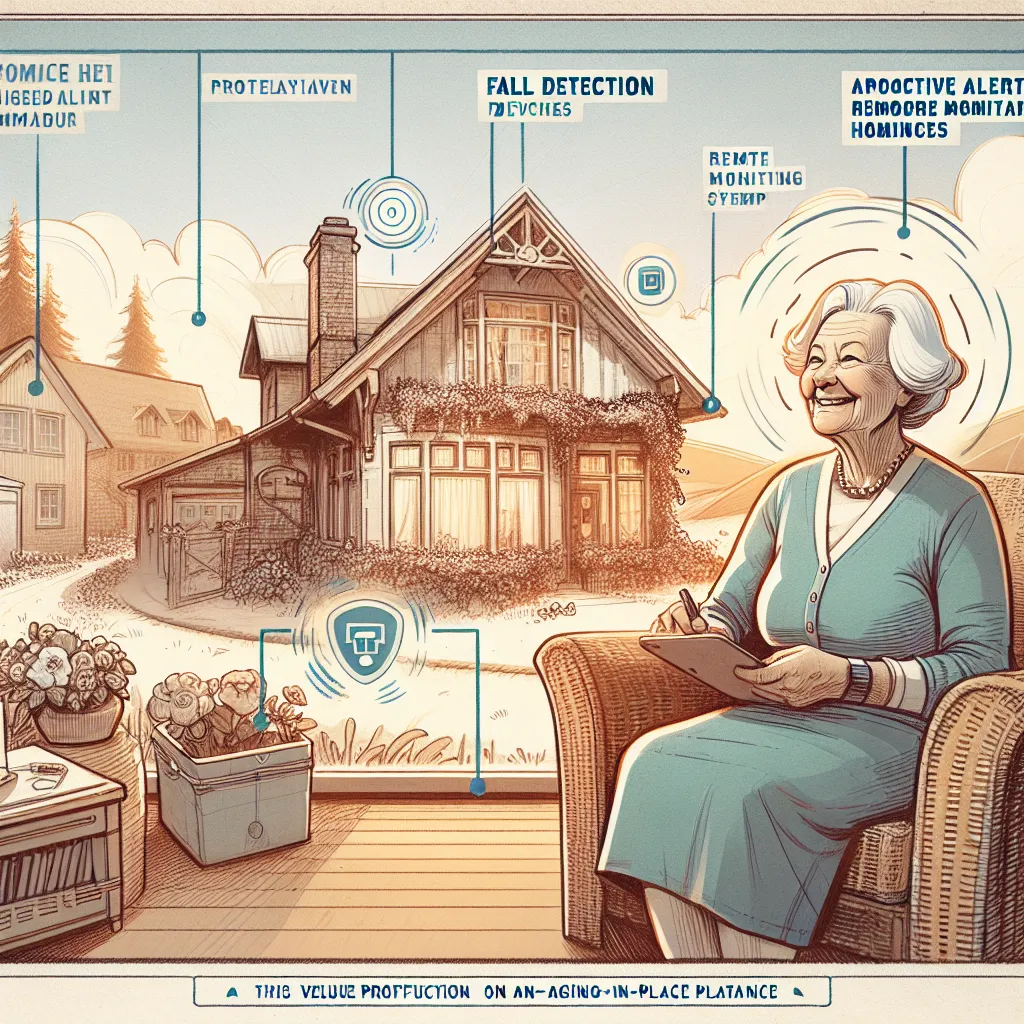
As the global 65+ population grows, older adults are staying in their homes longer—but current home insurance doesn’t address their specific needs. The solution is an aging-in-place insurance platform that includes home coverage bundled with fall detection tech, remote caregiver alerts, and in-home emergency assistance. These services reduce risk while extending value. For instance, a 72-year-old in Germany could receive discounts for installing in-home monitoring and proactive alerts that reduce claim risk and hospital visits, integrated into a single monthly premium.
Description
No additional description provided.
The Pitch
As the global population aged 65 and over continues to expand, a significant trend has emerged: more older adults are choosing to age in place, remaining in their own homes for as long as possible. However, the traditional home insurance market has yet to adapt to the specific needs of this demographic. The current offerings are generally not tailored to the challenges and requirements faced by aging homeowners, which creates an opportunity for innovation.
The core problem is that existing home insurance products do not address the unique risks and needs associated with older individuals living independently. Essential services such as fall detection technology, remote caregiver notifications, and immediate in-home emergency assistance are typically not part of standard insurance packages. This gap leaves older adults vulnerable and can lead to increased risks of injury or delayed medical responses, ultimately resulting in higher claim rates and more frequent hospital visits.
To address this gap, I propose the creation of an aging-in-place insurance platform. This platform would redefine traditional home insurance by bundling essential safety and health monitoring services directly into the policy. The solution proposes a comprehensive package that includes:
1. Home insurance coverage that is specifically tailored for older adults, taking into account the specific risks associated with aging-in-place. 2. Integration of fall detection technology within the home environment to promptly identify accidents or mobility issues. 3. Remote caregiver alert systems that notify designated family members or caregivers in the event of an emergency or unusual activity. 4. In-home emergency assistance services that provide immediate response options or telehealth consultations.
The introduction of this platform provides multiple advantages. For instance, if a 72-year-old resident in Germany installs the recommended in-home monitoring systems, they could qualify for discounted insurance premiums. This financial incentive not only promotes safety enhancements that mitigate risks but also encourages adoption, reducing the likelihood of costly claims and hospital visits.
In terms of launching this as a Minimum Viable Product (MVP), a few essential tools and strategies can facilitate development and deployment:
1. **Technology Stack**: Utilize IoT devices for fall detection and monitoring, integrated with a cloud-based platform for data collection and alert management. 2. **Partnerships**: Collaborate with tech companies specializing in IoT health devices and telehealth service providers to integrate their solutions into the platform. 3. **User Testing**: Conduct trials with a select group of older adults to gather feedback and fine-tune products and services. 4. **Regulatory Compliance**: Ensure the insurance products comply with applicable healthcare and insurance regulations in target markets.
The Go-To-Market (GTM) strategy would involve:
1. **Targeted Marketing**: Focus on segments with high concentrations of older adults, utilizing digital marketing channels and community outreach to raise awareness. 2. **Collaborative Promotion**: Partner with senior living communities and healthcare providers for joint initiatives that demonstrate the platform's value. 3. **Educational Content**: Develop informative resources (blogs, videos, webinars) that highlight the benefits of integrating insurance with smart home safety solutions. 4. **Pilot Programs**: Launch in select regions or countries, using local case studies and success stories to fuel expansion.
For the business model, consider a subscription-based approach with tiered pricing. This could offer basic coverage at a lower cost and premium levels that include additional features and services. The model should emphasize affordability and transparency, ensuring older adults understand their options and the specific benefits of each plan.
Overall, this aging-in-place insurance platform presents a forward-thinking solution to a growing problem, aligning the needs of older adults with innovative insurance products that enhance safety and well-being.