Aggregated Raw Materials Marketplace for Manufacturers
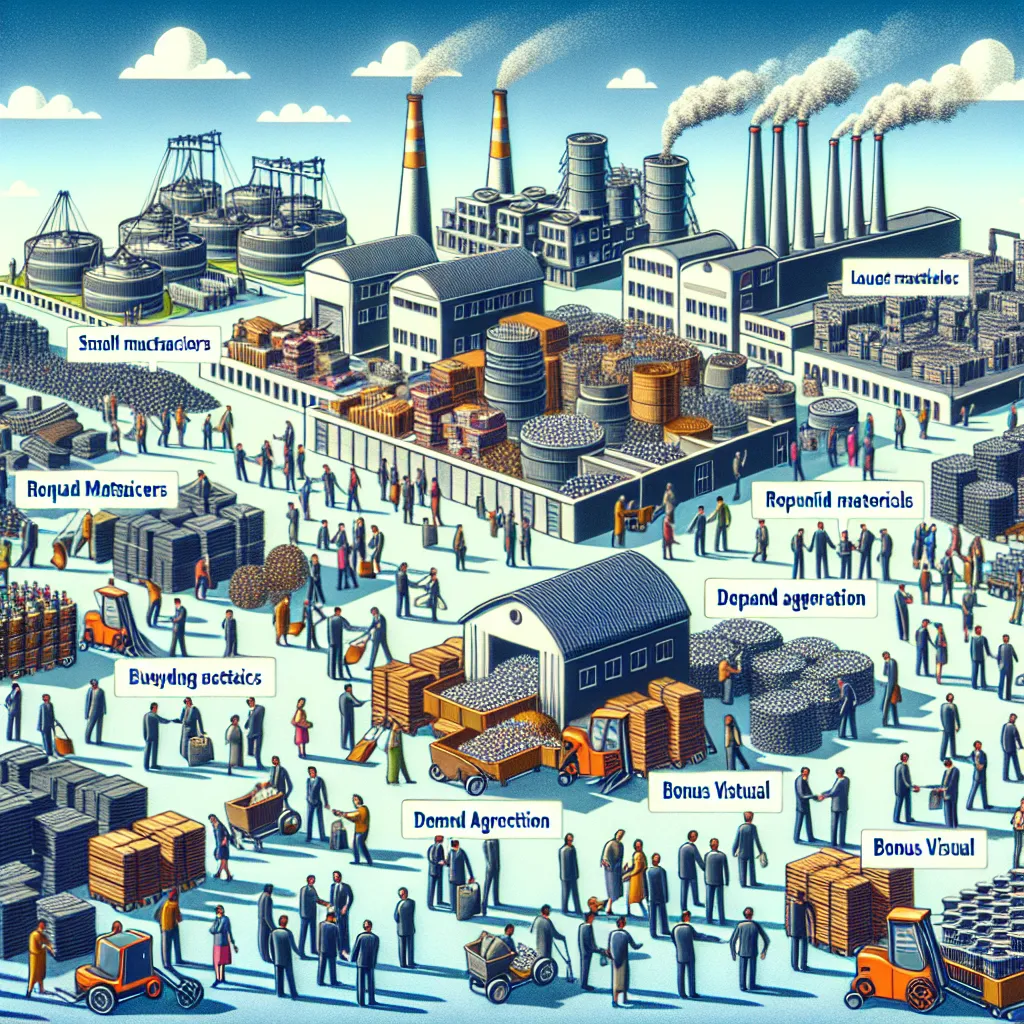
One of the most under-the-radar moats in manufacturing isn’t software, patents, or branding—it’s access. Specifically, the ability to buy raw materials direct from mills at massive discounts. These relationships are hard to build, require volume, and are typically reserved for large manufacturers. Smaller players, new entrants, and even mid-sized DTC brands are forced to go through expensive middlemen, adding cost and time. The startup idea here is simple but powerful: build the “Amazon for raw materials”—a B2B marketplace that gives smaller manufacturers pooled access to mill-direct pricing. It could work by aggregating demand across customers to meet minimum tonnage requirements, unlocking prices usually reserved for the big guys. Bonus idea: integrate a circular model by letting manufacturers trade in their scrap materials back to the mill for credit toward future raw material purchases. The moat? Relationships with mills + logistics + demand aggregation. It’s infrastructure-as-a-service for the physical world—and the ones who build it could power the next wave of modern manufacturers.
Description
No additional description provided.
The Pitch
In the world of manufacturing, one of the greatest challenges faced by smaller companies and new entrants is the lack of access to affordable raw materials. While large manufacturers enjoy significant discounts by purchasing directly from mills, smaller players are often forced to rely on costly intermediaries. This not only increases their costs but also extends lead times, putting them at a distinct disadvantage. The idea here is to bridge this gap by creating a B2B marketplace specifically designed for raw materials, empowering small and mid-sized manufacturers with the same benefits that large companies enjoy.
Backstory and Problem Identification
The manufacturing industry has long been dominated by a few major players who, due to their purchasing power, have direct access to raw materials at considerable discounts. These entities have spent years cultivating relationships with mills, allowing them to bypass the middlemen that smaller companies rely on. This inequity is a significant barrier for smaller manufacturers and direct-to-consumer brands who wish to compete on a level playing field. As they are forced to pay premiums for materials, their margins shrink, and their competitiveness diminishes.
Proposed Solution
The proposed solution is simple yet transformative: develop a digital marketplace, akin to an Amazon for raw materials, that aggregates demand from smaller manufacturers. By doing so, the marketplace can negotiate directly with mills, securing favorable pricing that would typically be inaccessible to individual small buyers. This pooled demand would allow participants to access materials at the steep discounts traditionally reserved for the industry giants. Additionally, integrating a circular model where manufacturers can trade in scrap materials for credit further enhances the value proposition, promoting sustainability and cost-efficiency.
Product Details
This marketplace would function as an infrastructure-as-a-service platform for the physical world. Key features would include:
1. **Demand Aggregation Mechanism**: A system that combines orders from multiple manufacturers to meet mill minimums, securing bulk pricing.
2. **Direct Mill Access**: Partnership agreements with mills that allow the platform to negotiate pricing on behalf of its members.
3. **Circular Economy Integration**: A feature enabling manufacturers to trade in scrap materials for credit, facilitating resource recycling and cost savings.
4. **Logistics Management**: Efficient logistics solutions to ensure smooth transportation of raw materials from mills to manufacturers.
5. **User Interface and Experience**: A user-friendly platform that simplifies order placement, tracking, and management for manufacturers.
Tools and Technology for MVP Launch
Launching this marketplace as a Minimum Viable Product (MVP) requires carefully selecting the tools and technologies that will enable rapid development and validation:
1. **E-commerce Platform**: Use frameworks like Shopify or WooCommerce for the initial build to quickly set up a marketplace environment.
2. **Financial Transactions**: Integrate services such as Stripe or PayPal for secure and efficient payment processing.
3. **Data Analytics**: Tools like Google Analytics and Mixpanel for tracking user behavior and improving the platform experience.
4. **Communication**: Solutions like Slack or Microsoft Teams for seamless communication with suppliers and customers.
5. **Logistics Software**: Implement logistics management software to streamline supply chain processes.
Go-to-Market Strategy
The go-to-market strategy should focus on building relationships, demonstrating value, and expanding awareness:
1. **Partnership Development**: Secure partnerships with key mills willing to participate by demonstrating the market potential and demand.
2. **Pilot Programs**: Launch pilot programs with select manufacturers to refine the platform and gather testimonials.
3. **Targeted Marketing**: Utilize digital and social media marketing focused on small and medium-sized manufacturers who would benefit most from the service.
4. **Industry Networking**: Attend industry conferences and trade shows to build credibility and connect with potential customers.
Business Model
The business model for this B2B marketplace could include:
1. **Subscription Fees**: Charge a subscription fee for access to the platform and pooled purchasing power.
2. **Transaction Fees**: Implement a transaction fee on each order processed through the platform.
3. **Premium Services**: Offer premium services such as advanced analytics, personalized order management, and enhanced logistics support.
4. **Scrap Material Trading**: Facilitate and charge for the exchange of scrap materials for credit, creating an additional revenue stream.
In conclusion, this B2B marketplace for raw materials has the potential to revolutionize how smaller manufacturers acquire their resources. By democratizing access to mill-direct pricing and promoting a circular economy, it provides these businesses with the tools to compete effectively and sustainably in the global market.