Agent Compatibility Scoring for SaaS Success
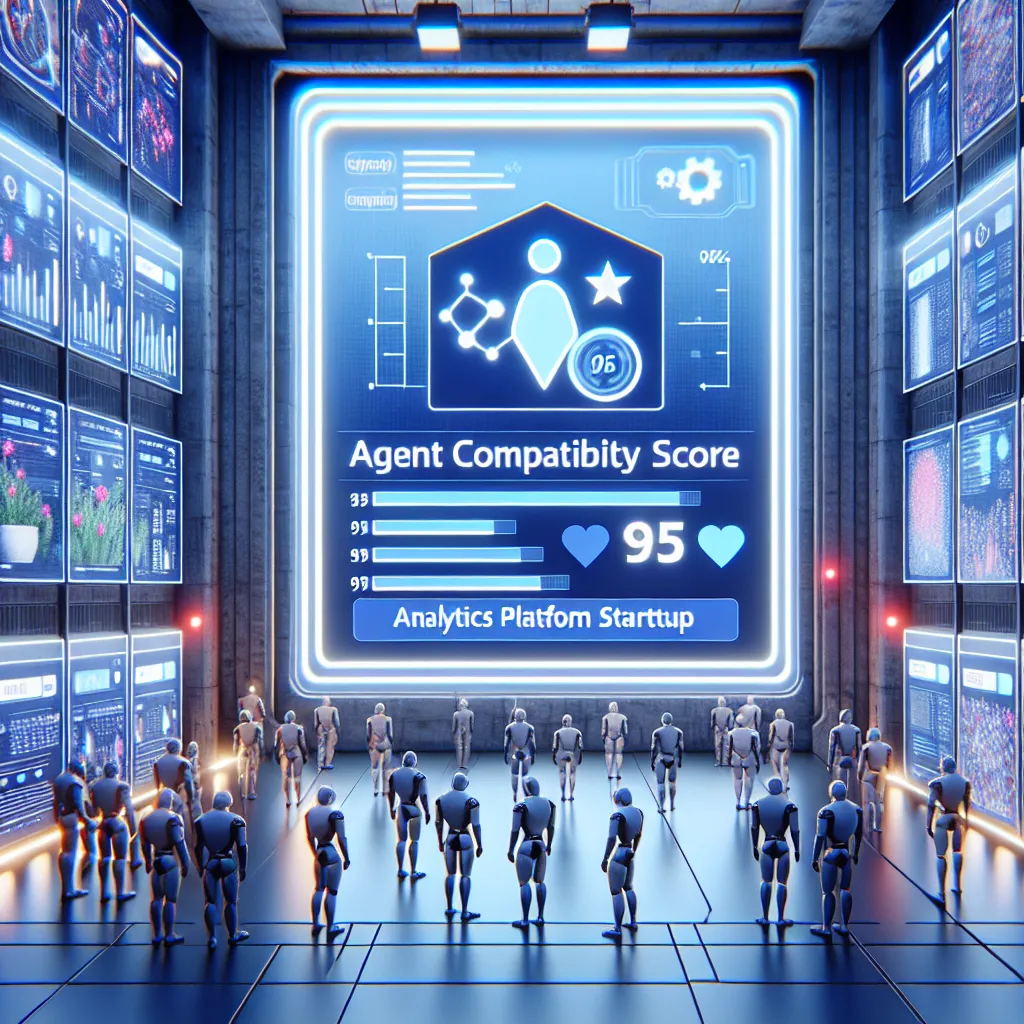
In the future, the most important question for software companies may not be “Is our product easy for humans to use?” but rather “Can AI agents use it effortlessly?” Many existing SaaS tools are difficult for agents to integrate with because they lack comprehensive APIs, have poorly structured documentation, or require manual workflows. An Agent Compatibility Score would measure how well a product works with autonomous agents. The platform would analyze API coverage, authentication complexity, documentation quality, latency, error handling, and machine-readable metadata to generate a score that represents how easily an AI agent can integrate and operate the product. Vendors would use this score the same way companies optimize for SEO today—improving their APIs, documentation, and provisioning flows to rank higher in agent-driven ecosystems. Imagine a startup launching a new analytics platform and proudly advertising an “Agent Compatibility Score of 95,” signaling that AI agents can discover, provision, and operate the product automatically. As agents become the primary buyers of software, being agent-compatible may become the single most important growth driver for modern SaaS companies
Description
No additional description provided.
The Pitch
As artificial intelligence continues to evolve, the landscape of software purchasing and utilization is undergoing a significant transformation. Gone are the traditional days when software was evaluated solely based on its human-centric usability. The future of software development is rapidly shifting toward AI agent compatibility. This innovation introduces the Agent Compatibility Score, a groundbreaking metric dedicated to assessing how effortlessly AI agents can integrate and interact with a software solution.
Backstory:
In recent years, the proliferation of AI technologies has brought about an increased reliance on AI agents to streamline workflows, enhance productivity, and automate decision-making processes. Despite their potential, many existing SaaS solutions present significant challenges for AI agents. Complex API frameworks, subpar documentation, and rigid manual workflows hinder seamless AI integration and functionality.
Problem:
The central problem lies in the disconnect between AI agent capabilities and the existing software infrastructure. Many SaaS platforms were not designed with AI integration in mind, leading to a suite of inefficiencies. These challenges include:
1. Inadequate API coverage and complex authentication protocols that limit agent accessibility. 2. Poorly structured or incomplete documentation that confuses rather than guides AI agents. 3. High latency and ineffective error handling that restrict the dynamic operation of AI systems. 4. Absence of machine-readable metadata, making it difficult for AI agents to parse and interact with the software autonomously.
Solution:
To bridge this compatibility gap, we propose the creation of the Agent Compatibility Platform. This platform will evaluate and generate an Agent Compatibility Score for SaaS products. The score will serve as a reliable indicator of how well a software solution can be accessed, integrated, and utilized by AI agents.
Product Details:
The Agent Compatibility Platform will feature:
1. Comprehensive API Analysis: Evaluate the breadth, depth, and ease of access to ensure AI agents can seamlessly integrate with the SaaS product.
2. Authentication Complexity Assessment: Simplify authentication processes to avoid roadblocks for AI interfaces.
3. Documentation Quality Review: Measure the clarity, completeness, and usability of documentation from an AI agent’s perspective.
4. Latency and Error Handling Evaluation: Analyze response times and robustness in managing errors for optimal AI agent performance.
5. Metadata Accessibility Score: Ensure all relevant data is easily machine-readable and consumable by AI systems.
Tools for MVP Launch:
To develop and launch a Minimum Viable Product (MVP), consider leveraging the following modern tools and technologies: - API testing tools like Postman for comprehensive assessments. - Documentation generators such as Swagger to facilitate clear and consistent documentation. - Monitoring platforms like DataDog to track latency and error rates. - Metadata management solutions such as Schema.org for standardized data exposure.
Go-To-Market (GTM) Strategy:
1. Pilot Program: Initiate a pilot program targeting agile startups and tech companies eager to enhance AI compatibility.
2. Partnership Development: Collaborate with SaaS vendors to improve their agent compatibility, offering the Agent Compatibility Score as a unique selling proposition.
3. Industry Webinars and Workshops: Educate the market on the importance of AI agent compatibility, demonstrating the benefits of a high Agent Compatibility Score.
4. Digital Marketing Campaigns: Use content marketing strategies to generate awareness and interest by publishing insights on emerging trends and best practices in AI integration.
Business Model:
The business model for the Agent Compatibility Platform will leverage a subscription-based model along with tiered service offerings. Companies can subscribe for periodic assessments and receive actionable insights to enhance their software’s compatibility. Additionally, premium services such as personalized consulting and integration support can be offered to drive incremental revenue.
Conclusion:
As autonomous AI agents increasingly drive the future of software purchasing and integration, establishing a robust platform like the Agent Compatibility Platform will be crucial. By providing an innovative metric and fostering AI-friendly development, software vendors will not only ensure their relevance in the agent-driven ecosystem but will also position themselves for sustainable growth in the ever-evolving SaaS industry.