Agent Behavior Analytics for Machine Decision Insights
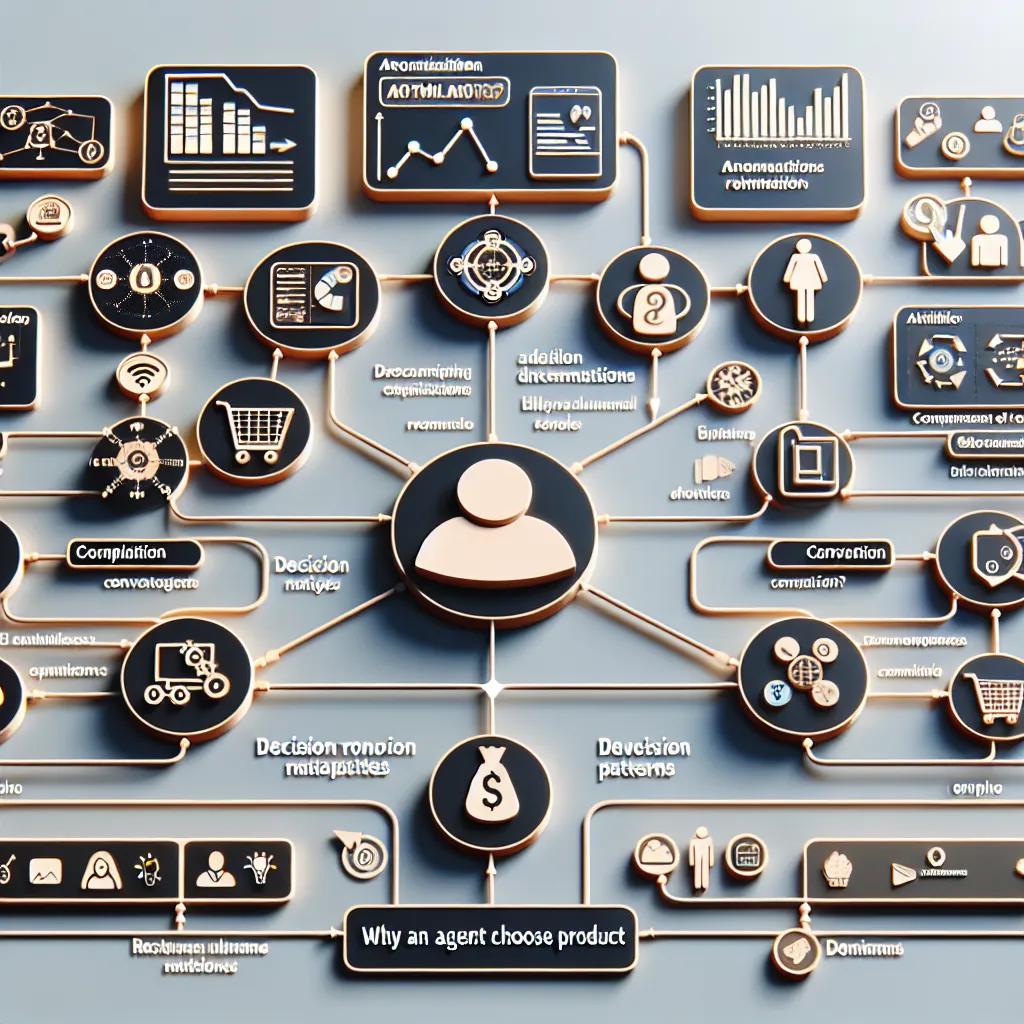
Once millions of agents start transacting, we’ll need visibility into how they behave — what patterns, preferences, and biases shape their buying decisions. A startup could build the analytics engine for agent behavior: tracking prompts, decision paths, and conversion patterns. Unlike human analytics, this would study machine reasoning — which models, datasets, or instructions drive specific outcomes. With OpenAI’s PayPal integration, we’ll soon have enough data to correlate conversation logic to dollar outcomes. LensAI could give brands and developers the ultimate agent insight layer: dashboards showing “why your agent chose Product A over Product B” and tools to optimize for human-aligned outcomes.
Description
No additional description provided.
The Pitch
In a rapidly digitalizing world, artificial intelligence agents are becoming indispensable allies in handling complex tasks and facilitating decision-making processes. However, as these AI agents become more integral to businesses, understanding how they make decisions and the factors influencing their choices is crucial for optimizing outcomes and improving user experiences. This initiative aims to bridge the gap between AI agent transactions and meaningful insights into their decision-making patterns through advanced analytics.
Backstory:
The rise of AI agents has transformed how businesses operate, offering solutions ranging from customer service automation to intricate data analysis. Despite this progress, a critical gap remains in comprehending the underlying reasoning of AI agents, particularly when it comes to understanding why they make certain decisions. Unlike human behavior, which has been extensively studied, the reasoning process of AI models remains an enigma, leaving businesses without the clarity needed to fine-tune interactions with AI agents.
Problem:
As millions of AI agents conduct transactions and make decisions, there is a pressing need for greater transparency into their reasoning processes. Companies lack the tools to understand agent behavior and the variables driving specific actions, leading to suboptimal business outcomes. Without insights into the decision-making pathways of their AI agents, businesses cannot effectively align their strategies with user needs or expectations, limiting their ability to maximize agent efficacy and client satisfaction.
Solution:
LensAI offers a sophisticated analytics engine dedicated to decoding the decision-making processes of AI agents. By tracking prompts, decision paths, and conversion patterns, LensAI provides a comprehensive understanding of machine reasoning, highlighting the models, datasets, and instruction pathways leading to specific agent outcomes. With this intelligence layer, businesses gain a unique perspective into agent behavior, enabling them to align AI interactions with business objectives and human expectations more effectively.
Product Details:
LensAI delivers robust dashboards that offer detailed insights into AI agent decisions, shedding light on why an agent might favor one product or recommendation over another. The platform integrates seamlessly with AI ecosystems, leveraging data from existing transactional frameworks such as OpenAI’s PayPal integration. By correlating conversation logic with economic outcomes, LensAI empowers brands and developers with actionable insights to refine their AI strategies, optimize agent performance, and enhance customer experiences.
Tools for MVP Launch:
To facilitate the swift launch of a Minimum Viable Product, LensAI will leverage existing data integration tools and analytics platforms, making it easy to deploy with minimal friction. Key tools include:
1. Data Processing Pipelines: For aggregating and normalizing large datasets from AI transactions. 2. Machine Learning Models: To identify patterns and correlations within agent decision-making activities. 3. Dashboard Platforms: Offering customizable, real-time analytics views for end-users.
Go-To-Market Strategy:
1. Begin with strategic partnerships within industries heavily reliant on AI transactions, such as e-commerce and finance, to secure early adopters. 2. Launch a targeted marketing campaign focusing on the unique value proposition of understanding AI decision behavior. 3. Offer pilot programs to potential clients, allowing them to experience firsthand the capabilities of LensAI before committing to full-scale adoption.
Business Model:
LensAI will operate under a subscription-based business model, providing tiered access to its analytics engine based on transaction volume and features required by clients. Additional revenue streams may include tailored consulting services for clients seeking specific insights or custom integration support.
Conclusion:
LensAI stands poised to transform how businesses interact with AI agents by providing an unprecedented understanding of machine reasoning. By illuminating the logic pathways that guide agent decisions, brands can harness the full potential of AI technologies, leading to optimized outcomes, enhanced customer satisfaction, and a competitive edge in the digital marketplace.