Affordable Supermarket Meal Kits: Europe's Innovative Approach
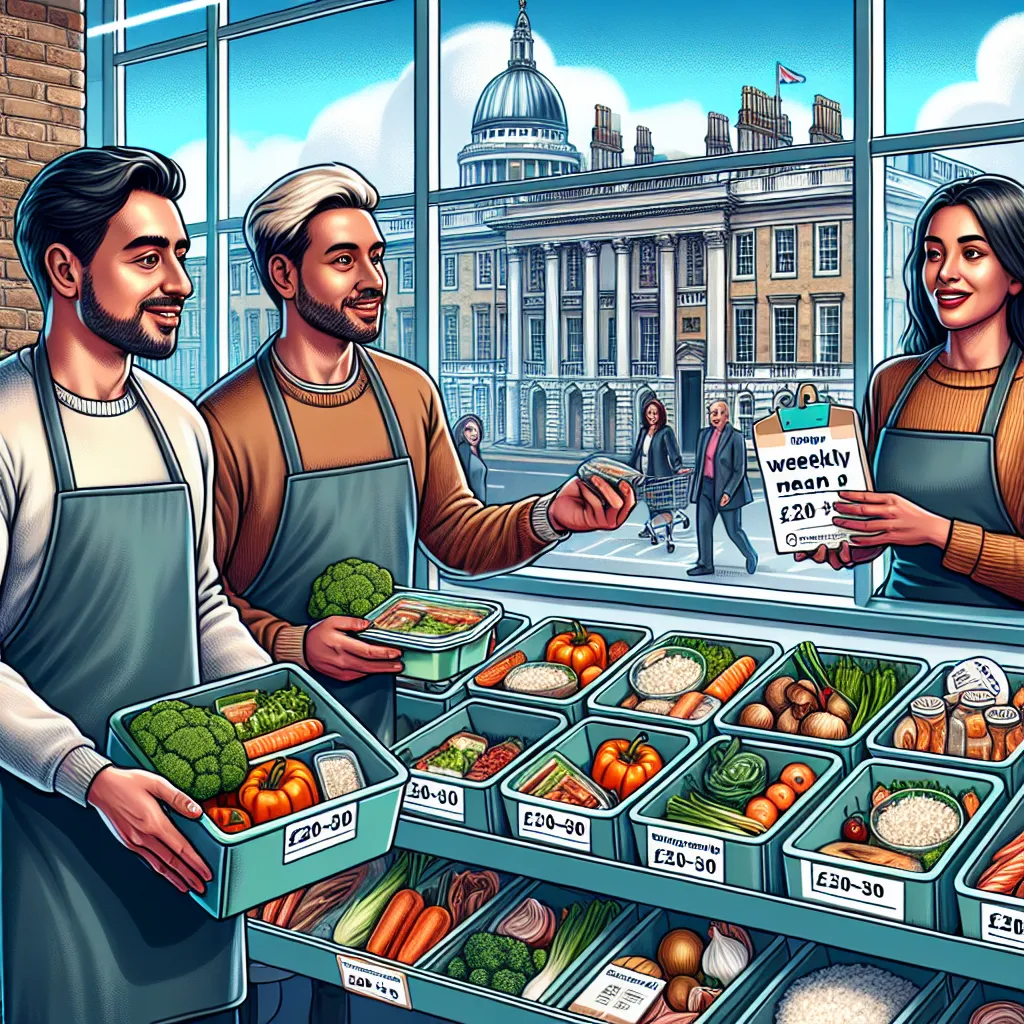
Meal kits in the U.S. are either too expensive or too much work. Europeans are experimenting with a different model: supermarkets bundling ready-to-cook meal subscriptions. In the U.K., chains like Tesco and Sainsbury’s run low-cost weekly meal packs with rotating recipes sourced from in-store inventory, sold for £20–30 a week. They solve waste (using surplus produce), reduce cost (cheaper than HelloFresh), and keep customers loyal. In London, these packs are now a staple for young professionals. No major U.S. grocer has leaned into this yet, despite demand for affordable, healthy, zero-commitment meal solutions.
Description
No additional description provided.
The Pitch
In the U.S., the meal kit industry faces challenges of high costs and complexity, leaving a gap in the market for affordable and straightforward meal solutions. Simultaneously, European supermarkets like Tesco and Sainsbury's have successfully introduced a cost-effective, rotating meal pack model that addresses both food waste and consumer loyalty. By adapting this approach, U.S. supermarkets can capture a growing consumer base seeking affordable, healthy, and low-commitment meal options.
Backstory: The concept of meal kits emerged as a convenient way for consumers to prepare home-cooked meals without the hassle of planning and shopping. However, the current offerings in the U.S. have limitations, namely high costs and the effort required to prepare the meals. In contrast, European supermarkets have crafted a successful model where they offer ready-to-cook meal packs at a lower price point by leveraging their current in-store inventory. This model has proven popular among young professionals in Europe, who appreciate the affordability, variety, and convenience of these meal packs.
Problem: - Retail meal kits in the U.S. remain costly and labor-intensive. - Consumers desire affordable and minimal-commitment meal solutions. - U.S. supermarkets have yet to tap into a growing market segment demanding such solutions. - Food waste remains a significant issue for retailers, which could be mitigated by utilizing surplus produce.
Solution: Introduce supermarket-curated meal packs in the U.S. that offer ready-to-cook meal kits using surplus in-store inventory. This strategy would not only reduce food waste but provide a low-cost, convenient option for consumers seeking quick meal solutions.
Product Details: - Weekly meal packs priced competitively at twenty to thirty dollars. - Rotating recipes sourced from surplus produce to ensure fresh offerings and reduce waste. - Inclusion of three to four complete meals per pack designed to serve two people. - Easy-to-follow recipe cards to reduce preparation complexity.
MVP Launch Tools and Strategies: - Explore partnerships with recipe developers to ensure diverse and appealing meal options. - Utilize inventory management software to identify surplus produce and create efficient bundling. - Invest in basic packaging materials to maintain product quality without escalating costs. - Conduct pilot programs in selected stores to gather customer feedback and fine-tune offerings.
Go-To-Market Strategy: - Target urban supermarkets initially to appeal to young professionals and busy households. - Leverage in-store promotions and social media marketing to raise awareness and drive adoption. - Offer introductory discounts to stimulate trial purchases and encourage feedback. - Create a loyalty program to keep consumers engaged and encourage repeat purchases.
Business Model: - Revenue will be generated through direct sales of weekly meal packs. - Additional revenue streams could include subscription models for regular home delivery or premium pack offerings. - Cost savings achieved through reduced food waste and economies of scale in sourcing. - Build brand loyalty by consistently offering high-quality meals and exceptional customer service.
---
By adopting and adapting the successful European supermarket meal pack model, U.S. retailers have a unique opportunity to position themselves as leaders in a growing market while simultaneously addressing issues of food waste and consumer demand for convenient, affordable meals.