Affordable Microfactories for Innovative Tech Startups
Manufacturing next-gen technologies like drones, chips, and robotics is capital intensive and inaccessible to small teams. Renting a modular, microfactory equipped with robotics, 3D printers, and cleanrooms could democratize physical innovation. Teams rent by the week or month, reducing upfront costs from tens of millions to thousands. The rise of flexible manufacturing, modular hardware, and reshoring initiatives make this possible now. Example: A startup working on autonomous underwater drones rents factory space for 3 months, produces a pilot fleet, and validates their tech — without needing a Series A.
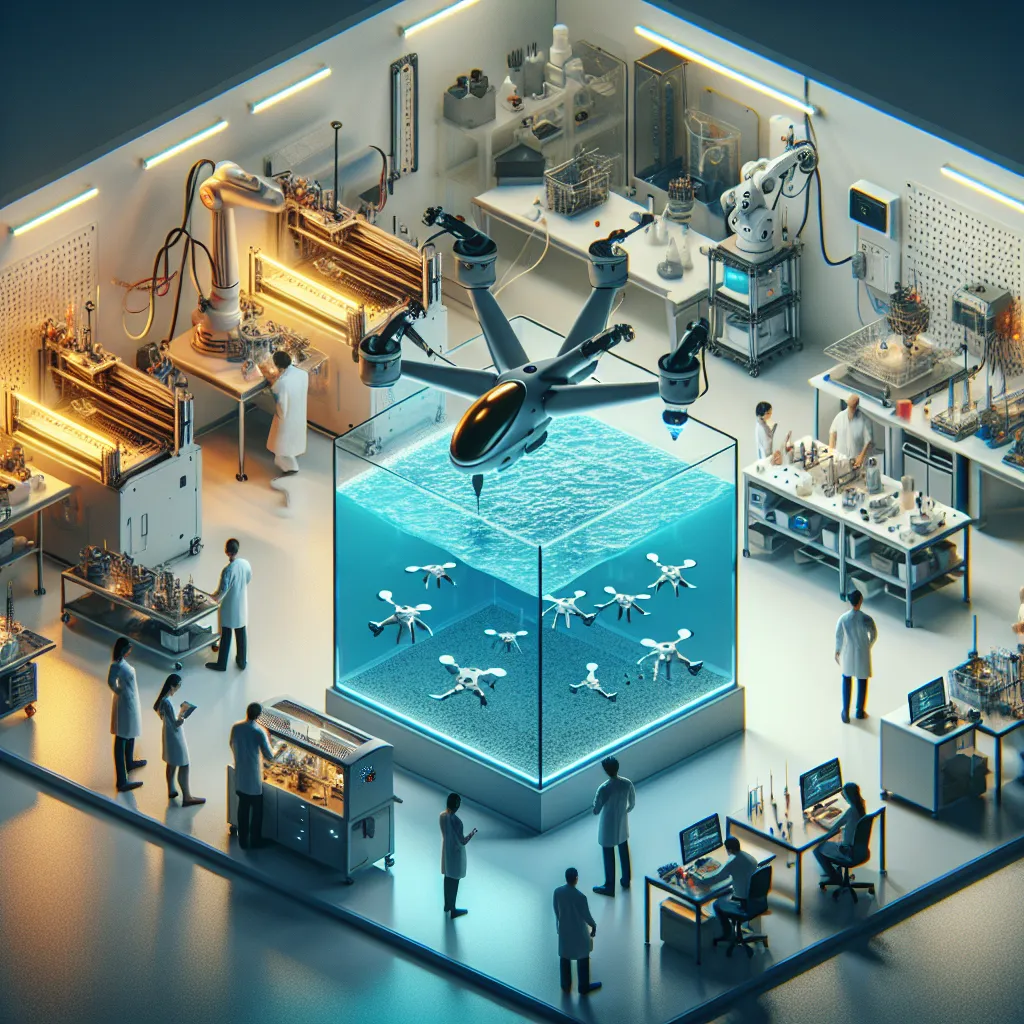
Description
No additional description provided.
The Pitch
The landscape of technology manufacturing is undergoing a transformation, paving the way for groundbreaking innovations. Individuals and small teams with visionary ideas often find themselves constrained by the substantial capital investment required for manufacturing next-generation technologies, ranging from drones to semiconductors and robotics. The core challenge lies in the fact that creating these advanced products demands significant resources, advanced equipment, and specialized environments, which traditionally entail massive upfront expenses, often running into tens of millions.
**Challenge**
The primary hurdle for emerging innovators is the accessibility of manufacturing facilities that house the necessary equipment and environments such as robotics, 3D printers, and cleanrooms. These facilities often require significant capital investment, functioning as a gatekeeper that limits entry to only the most resourced or established players. As a result, innovative ideas from smaller teams or individuals are frequently stifled before they even have the opportunity to reach the prototype stage.
**Solution**
The solution is to establish modular microfactories designed for rent, complete with the essential tools and environments necessary for developing cutting-edge technologies. By offering these facilities on a rental basis, innovators can significantly reduce their upfront costs—from tens of millions to just thousands—allowing them to focus their financial resources on refining and perfecting their technologies. This democratizes access to manufacturing capabilities, providing a viable path for smaller teams to bring their ideas to life without prohibitive initial expenditures.
**Product Details**
These microfactories would be equipped with state-of-the-art technology, including:
- **Advanced Robotics**: For precision manufacturing and assembly. - **3D Printing Capabilities**: Allowing rapid prototyping and custom part creation. - **Cleanrooms**: Ensuring the high-quality environment required for sensitive manufacturing processes. - **Flexible Modular Design**: Adaptable spaces that can be tailored to the specific needs of each team or project.
Users would have the option to rent spaces on a weekly or monthly basis, depending on their project timelines. This rental model not only reduces costs but also provides scalability; as project needs evolve, teams can adjust their rental requirements accordingly.
**Tools for MVP Launch**
To facilitate the Minimum Viable Product (MVP) launch, several tools can be employed:
- **Digital Platform for Reservations and Management**: An online system that allows users to book space, manage their time, and handle payments seamlessly. - **Integrated IoT Systems**: To monitor equipment usage and optimize operational efficiency. - **AR/VR Support**: For remote collaboration and virtual planning sessions. - **Logistics and Supply Chain Partnerships**: To ensure smooth delivery and movement of materials.
**Go-To-Market Strategy**
The go-to-market (GTM) strategy focuses on targeting startups and small teams in sectors like robotics, aerospace, and clean energy. Key components of the strategy include:
- **Partnerships with Tech Incubators and Accelerators**: Building relationships with organizations that nurture tech startups to provide ready access to potential customers. - **Industry Events and Expos**: Participating in relevant gatherings to showcase capabilities and connect with innovators. - **Content Marketing and Educational Workshops**: Offering insights and education about the benefits and opportunities of modular manufacturing. - **Pilot Projects and Case Studies**: Launching initial projects to create compelling evidence of success and ROI for potential users.
**Business Model**
The business model is centered on a subscription and usage-based framework. Clients will subscribe to access microfactory spaces, paying for the duration and extent of the facilities they use. Additional services, such as specialized equipment or consultation with manufacturing experts, can be offered as premium add-ons to enhance the customer experience and drive additional revenue streams.
By addressing the key challenge of prohibitive manufacturing costs, this initiative presents a clear pathway for inventive teams to innovate and succeed, ultimately accelerating the pace of technological advancement and reshaping the competitive landscape.