Affordable Early Cancer Detection Breathalyzer Device
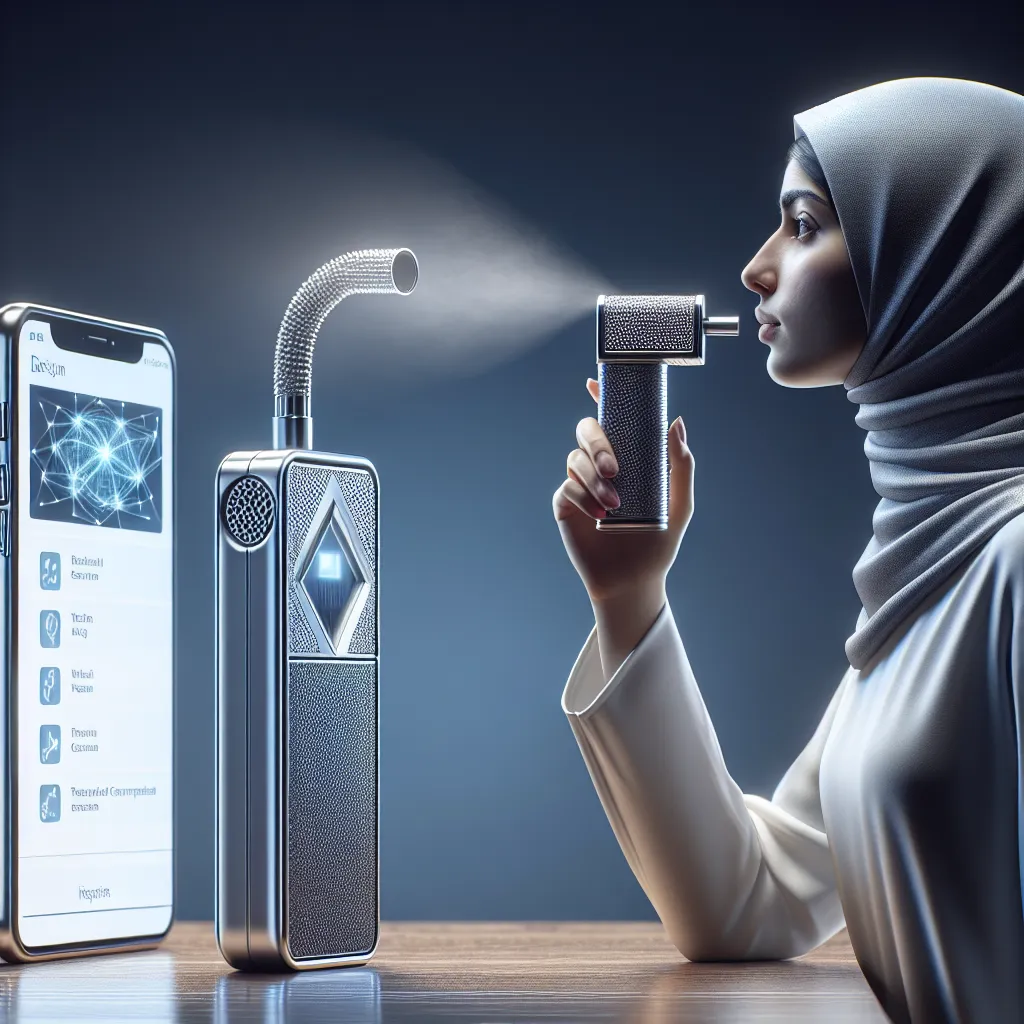
Cancer detection is often invasive, expensive, and late-stage. A novel idea is a handheld breathalyzer device that uses nano-sensor tech and AI to detect volatile organic compounds (VOCs) associated with multiple cancers. Users exhale into the device, and results sync with their phone. For example, a woman in her 30s could breathe into the device monthly and get early warnings about potential risks for breast or lung cancer—flagging concerns before symptoms arise. It’s non-invasive, affordable, and could democratize early detection globally.
Description
No additional description provided.
The Pitch
Cancer remains one of the leading causes of death worldwide, primarily due to late detection. Traditional methods of diagnosis are often invasive, costly, and time-consuming, discouraging individuals from undergoing regular screenings. Furthermore, access to early detection tools is limited in developing regions, exacerbating the global cancer burden.
With advancements in nano-sensor technology and artificial intelligence, there's an opportunity to revolutionize early cancer detection. Imagine a world where individuals can easily monitor their cancer risk in a non-invasive, affordable, and accessible manner. This vision is now within reach with the concept of a handheld breathalyzer designed to detect cancer through breath analysis.
### Problem
Current cancer detection methods face numerous challenges:
1. **Invasiveness**: Procedures like biopsies and certain blood tests can be discomforting and deter individuals from screening. 2. **Cost**: High expenses associated with advanced diagnostic technologies make regular screenings unaffordable for many. 3. **Late-stage Detection**: Many cancers are only diagnosed at advanced stages when the prognosis is poorer. 4. **Limited Access**: In many parts of the world, especially in low-income areas, access to reliable cancer screening is severely limited.
### Solution
The solution is a handheld breathalyzer device that utilizes cutting-edge nano-sensor technology and AI to analyze volatile organic compounds (VOCs) in a person's breath. These VOCs are indicative of the presence of certain cancers, allowing for early detection. Users would simply exhale into the device, which would then sync the results with an app on their phone. The app would provide instant feedback and flag any potential health concerns that merit further medical consultation.
### Product Details
- **Device Design**: Compact, portable, and user-friendly. - **Technology**: - **Nano-sensor Technology**: Detects specific VOCs linked to various cancer types. - **AI Algorithm**: Analyzes breath samples to identify patterns and detect anomalies. - **User Interface**: Integrates with a smartphone application to display results and offer personalized health insights. - **Functionality**: - Non-invasive, requiring only a simple exhalation. - Provides instant feedback, highlighting any detected risks. - Regular updates and recommendations sent to the user.
### Tools for MVP Launch
1. **Prototype Development**: Use development kits focusing on sensor technology, such as Arduino or Raspberry Pi, to build the initial prototype. 2. **AI Software**: Utilize machine learning platforms such as TensorFlow or PyTorch for developing the detection algorithms. 3. **App Development**: Use React Native or Flutter to create an initial version of the mobile application to display device results. 4. **3D Printing**: Leverage 3D printing technology for crafting the initial model of the handheld device.
### Go-to-Market (GTM) Strategy
1. **Target Audience**: Focus on tech-savvy individuals and health-conscious consumers in urban areas for the initial rollout. 2. **Partnerships**: Collaborate with healthcare providers and wellness centers to promote the device. 3. **Educational Campaigns**: Launch educational initiatives to raise awareness about the importance of early cancer detection. 4. **Online Marketing**: Utilize digital marketing strategies, including social media campaigns, to reach a broader audience.
### Business Model
1. **Direct Sales**: Offer the device for purchase through an online store and retail partnerships. 2. **Subscription Model**: Provide a subscription service for regular software updates and health insights. 3. **B2B Partnerships**: Collaborate with healthcare providers and insurance companies to bundle the device with health plans. 4. **Data Insights**: Create revenue streams through anonymized data sales for research and development purposes.
By addressing the challenges of cancer detection with a non-invasive, accessible, and efficient solution, this device has the potential to revolutionize early cancer screening and save countless lives globally. The envisioned product not only provides users with valuable health insights but also empowers them to take proactive measures in managing their health.