Affordable Communal Dining with Subscription Kitchens
Takeout in the U.S. is expensive and lonely. In Singapore, hawker centers provide cheap daily meals, and in India, neighborhood kitchens deliver rotating home-style menus at low cost. The U.S. has trendy food halls, but nothing at scale for affordability and community. A subscription kitchen model could offer 12 meals a week for $80, cooked in local commissaries and eaten in shared dining spaces. Abroad, these models are essential; in the U.S., rising grocery prices make it ripe for adoption.
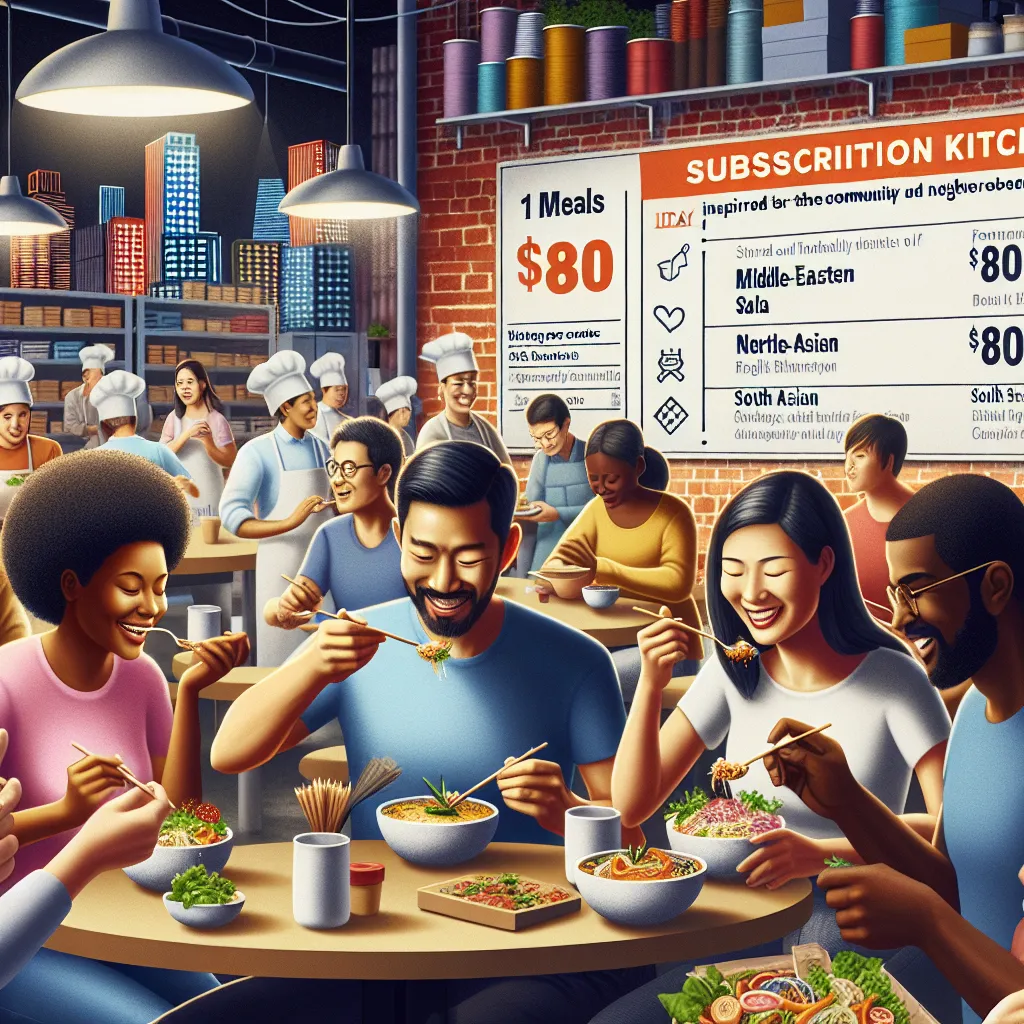
Description
No additional description provided.
The Pitch
The rising cost of living in the United States has extended to almost every aspect of life, including food. Traditional dining options such as restaurants and takeout have become a luxury for many, with even grocery prices climbing steadily. Unlike countries like Singapore with its hawker centers, or India with its neighborhood kitchens, the U.S. lacks a large-scale model that combines affordability with community dining. This document explores an innovative solution—a subscription kitchen model that offers affordable meals cooked in local commissaries and enjoyed in shared dining spaces.
Backstory: As urban centers grow and change, there is an increasing demand for innovative dining solutions that cater to budget-conscious individuals while also fulfilling social needs. In many global cities, the presence of affordable, communal dining options is integral to daily life. In Singapore, hawker centers provide diverse, inexpensive meals in bustling environments. Meanwhile, in India, local kitchens deliver home-style meals at low costs, fostering a sense of community. These models have proven successful in delivering value and connection, contrasting sharply with the lonely and costly dining options prevalent in the U.S.
Problem: The U.S. dining landscape is characterized by expensive takeout and limited options for communal interaction while eating. Traditional restaurants are often unaffordable for regular dining, and while food halls offer a trendy experience, they do not scale for widespread affordability. Rising grocery prices further exacerbate the issue, limiting access to quality meals and driving many toward unsustainable eating habits. This creates a gap for a model that offers both affordable and social dining experiences.
Solution: A subscription kitchen model presents a viable solution to this problem. By utilizing local commissary kitchens to prepare meals, this model can offer high-quality, diverse meals at a lower cost. Subscribers could receive 12 meals a week for $80, significantly reducing their food expenses while ensuring nutritious and delicious options. These meals would then be enjoyed in shared dining spaces, fostering community interaction and a sense of belonging among diners.
Product Details: - **Meals**: Offering a rotating menu of diverse cuisines to cater to various tastes and dietary needs. - **Subscription Model**: A flexible plan that allows subscribers to choose meal options and pick-up times, with the potential to scale up based on demand. - **Dining Spaces**: Partnering with local community centers, underutilized spaces, or co-working venues to create welcoming and comfortable environments for shared dining.
Tools for Launch: - **Commissary Kitchens**: Utilize existing commercial kitchen spaces to minimize startup costs and scale production. - **Ordering Platform**: Develop a user-friendly app or website for subscribers to manage their meal plans and preferences. - **Logistics and Supply Chain**: Partner with local suppliers to source fresh ingredients and manage efficient meal preparation and distribution.
Go-To-Market Strategy: 1. **Local Partnerships**: Collaborate with community organizations and local businesses to integrate into the community fabric and build trust. 2. **Pilot Programs**: Start with a small-scale pilot in a receptive urban area to refine the model and gather feedback. 3. **Marketing Campaign**: Employ social media, community events, and referral programs to build awareness and attract subscribers. 4. **Pricing Strategies**: Offer introductory pricing and trial periods to encourage sign-ups and build a loyal customer base.
Business Model: The subscription kitchen model can leverage economies of scale to maintain low prices while ensuring quality and diversity in menu offerings. Revenue streams include subscription fees and potential partnerships with local businesses for shared dining spaces. The model can expand by reinvesting profits into expanding kitchen operations and incorporating additional dining spaces in new neighborhoods.
Conclusion: An affordable community dining model in the U.S. presents an opportunity to bridge the gap between cost-effective meal solutions and the growing need for social dining experiences. By drawing inspiration from successful global examples, this model not only offers a practical solution to rising food costs but also contributes to building community through shared meals.