Affordable Autonomous Robots for Small Warehouses
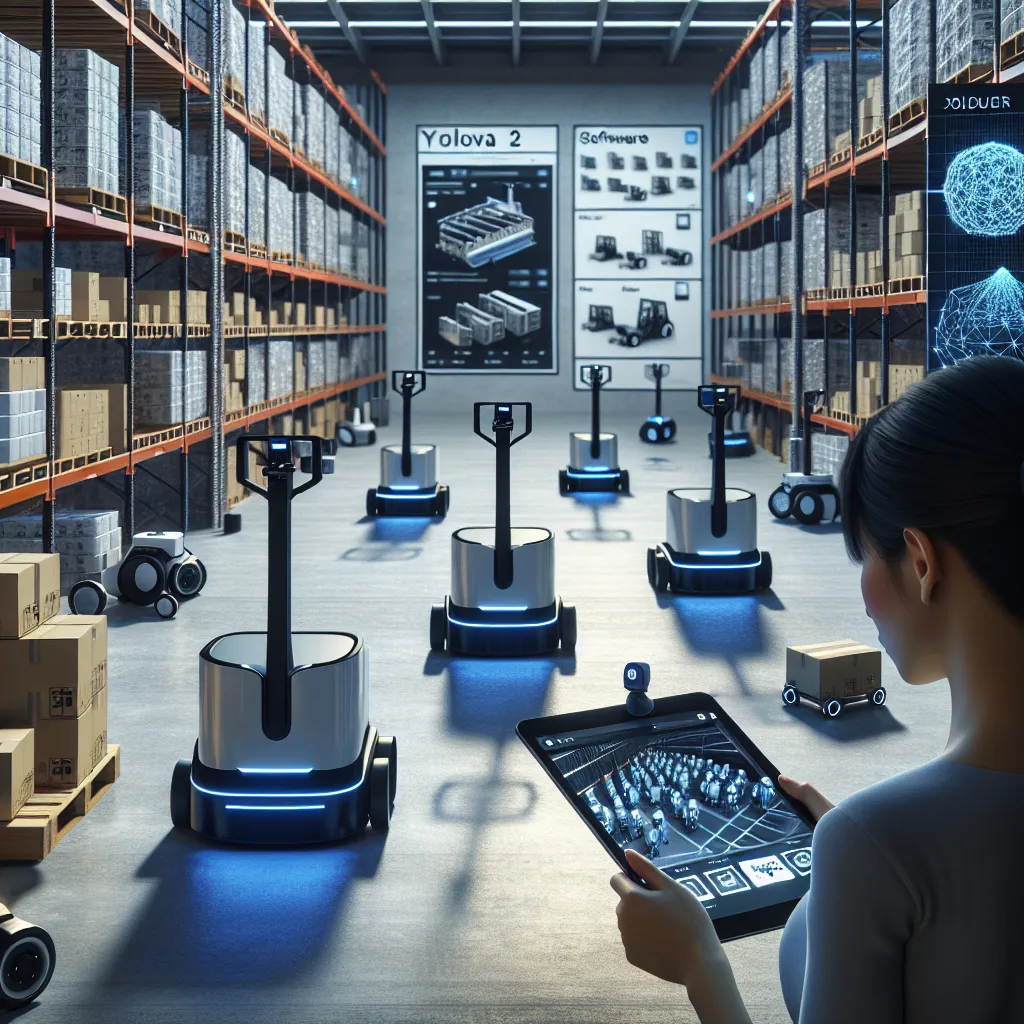
Amazon and FedEx are deploying delivery drones and robots, but only at scale. Problem: Small warehouses, retail stores, and campuses lack access to affordable, autonomous material handling. Solution: Low-cost, AI-guided indoor/outdoor robots — autonomous dollies, mini-forklifts — leased as-a-service to small/medium warehouses. Why Now: Advances in low-cost vision (YOLOv8), spatial mapping, and compact LIDAR make lightweight autonomy achievable. Example: A regional bookstore could deploy a robot to move inventory from backroom to storefront autonomously, saving labor and reducing repetitive strain injuries.
Description
No additional description provided.
The Pitch
Advancements in technology have paved the way for innovations across various industries, particularly in the realm of logistics and material handling. Notably, companies like Amazon and FedEx have made significant strides in deploying delivery drones and robots at scale. However, this leaves a notable gap in the market for smaller operations, such as local warehouses, retail stores, and educational or corporate campuses, which could benefit from similar technologies but lack access to affordable, autonomous solutions.
**Background and Problem**
Despite the widespread adoption of automation in large-scale logistics, small to medium-sized enterprises continue to face the challenge of managing material handling efficiently. This is particularly evident in operations that require the movement of goods within confined premises like warehouses, retail locations, or campus environments. The prevalent reliance on manual labor for these tasks not only adds operational costs but also increases the risk of repetitive strain injuries among workers. Moreover, the absence of affordable and scalable autonomous systems limits their ability to stay competitive and innovative.
**Solution**
The proposed solution is a suite of low-cost, AI-guided robots designed for autonomous material handling, tailored to indoor and outdoor environments. These robots would take various forms, including autonomous dollies and mini-forklifts, offering versatile options that can be adapted based on specific industry needs. By introducing a leasing model, these robots can be made accessible to small and medium-sized warehouses and businesses, ensuring they benefit from the technology without incurring substantial upfront costs.
**Why Now**
The timing for introducing such a solution is apt due to recent advances in technology. Developments in low-cost vision systems, such as YOLOv8, coupled with spatial mapping and compact LIDAR technologies, make lightweight autonomy feasible. These innovations enable the construction of robots that can effectively sense and navigate their environment at a fraction of the cost previously required. As such, businesses can now explore automation without bearing the burden of hefty investments in robotics infrastructure.
**Product Details**
The product would encompass a range of autonomous robots, each equipped with:
- Advanced vision systems for accurate object detection and navigation. - Compact LIDAR and spatial mapping capabilities for seamless indoor and outdoor operations. - AI algorithms specifically designed for tasks such as inventory movement and replenishment. - Modular designs to facilitate easy customization based on specific application requirements.
**Tools to Launch an MVP**
To successfully launch a Minimum Viable Product, consider leveraging open-source platforms and readily available technologies. Utilizing software like the Robot Operating System (ROS) can accelerate development by providing a pre-built framework for automation. Open-source computer vision libraries, such as OpenCV, can also be integral in crafting sophisticated perception capabilities. Moreover, tapping into community resources and engaging with tech incubators can provide valuable support and insights into product development.
**Go-to-Market Strategy**
- Initial Focus: Start by addressing niche markets such as regional bookstores, small-scale warehouses, and educational campuses, which often have well-defined material handling needs. - Awareness and Engagement: Conduct demonstrations and pilot programs to showcase the benefits and capabilities of the autonomous robots, facilitating hands-on experiences for potential clients. - Partnerships: Collaborate with equipment leasing firms to create attractive leasing options, reducing the financial barrier for clients. - Customer Support: Invest in robust customer training and support to ensure smooth adoption and operation of the robots.
**Business Model**
The business model would be centered around a leasing as-a-service framework. Clients would have the option to lease robots on flexible terms, allowing them to scale their operations without substantial financial commitment. The model could be enhanced by offering tiered service packages that include maintenance, software updates, and customer support, providing comprehensive solutions tailored to the unique needs of each business.
By introducing a cost-effective, flexible, and scalable material handling solution, small and medium-sized enterprises can significantly enhance their operational efficiency, reduce labor costs, and stay competitive in an increasingly automated world.