Affordable AI Platform Boosts Efficiency for Small Factories
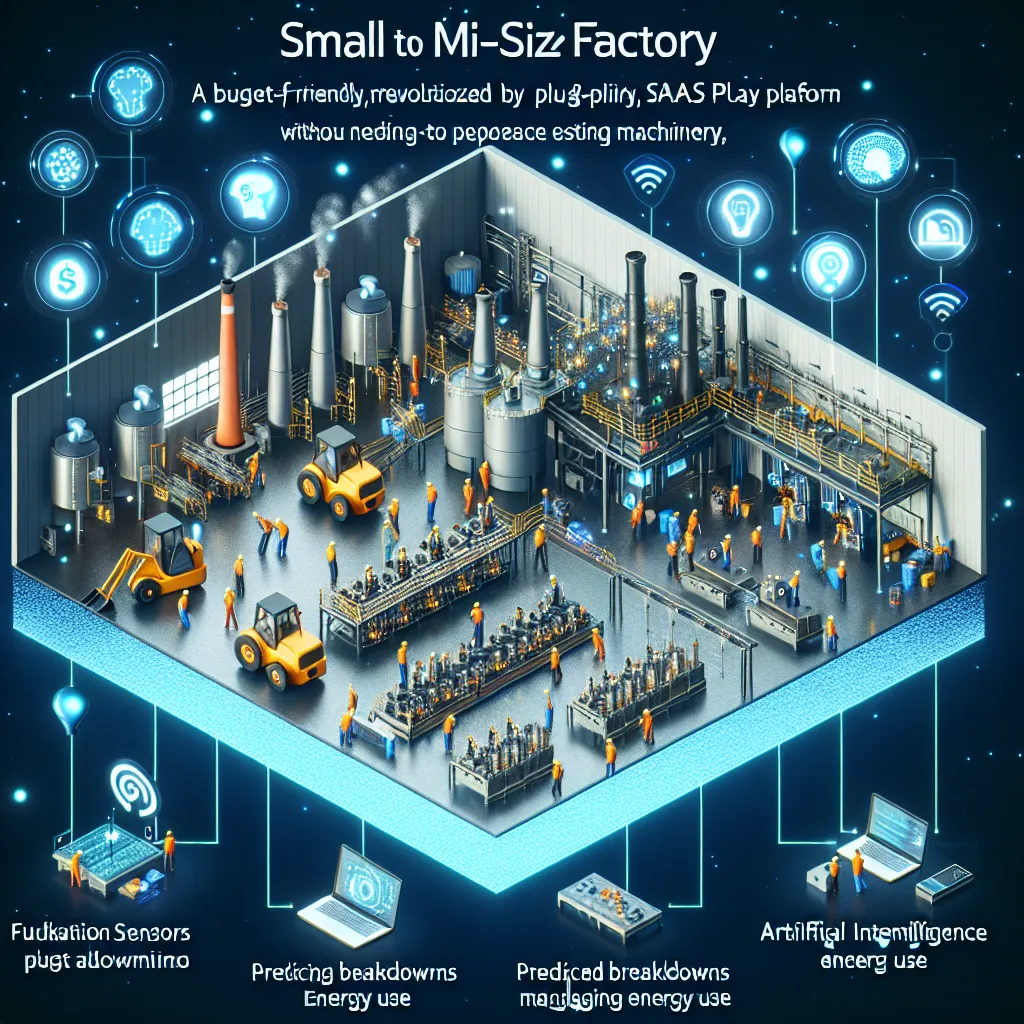
Small and mid-size factories lose millions annually to inefficiencies but can’t afford custom AI solutions. Problem: Existing factory tech is expensive, siloed, and built for large corporations. Solution: A plug-and-play SaaS platform that connects to existing IoT sensors, analyzes workflows, predicts breakdowns, and optimizes energy and labor — using AI tuned for factories with <500 employees. Why Now: Low-cost IoT sensors, edge computing, and accessible AI (RAG + lightweight models) make smart factories scalable. Example: A regional furniture manufacturer could deploy it in days, cutting downtime 30%, optimizing shifts, and increasing productivity without ripping out existing machines.
Description
No additional description provided.
The Pitch
Small and mid-sized factories play a crucial role in the manufacturing sector but often face significant challenges that impede their efficiency and profitability. The inability to afford high-end, custom-built AI solutions often leaves them with operational inefficiencies that cost them millions each year. This situation presents a substantial opportunity to innovate with cost-effective technological solutions.
Backstory:
Traditionally, factory technology has been developed with large corporations in mind, resulting in expensive and siloed systems that do not cater to the needs of smaller manufacturing entities. These factories often operate with limited budgets and resources, rendering them incapable of integrating comprehensive digital transformations. The absence of affordable solutions means they continue to rely on outdated processes, leading to wasted time, resources, and opportunities for growth.
Problem:
The primary issue lies in the high cost and complexity of existing factory technologies, which are not designed for small and medium enterprises. These technologies are often inflexible and require substantial investment in terms of both time and money. Consequently, smaller factories struggle with process inefficiencies, unexpected breakdowns, and resource optimization challenges, hampering their competitiveness in the market.
Solution:
To address these challenges, we propose a plug-and-play SaaS platform designed specifically for factories with fewer than 500 employees. This platform integrates seamlessly with existing IoT sensors and systems, utilizing cutting-edge AI to analyze workflows, predict equipment breakdowns, and optimize energy consumption and labor allocation. It offers an affordable, scalable solution without the need for specialized IT infrastructure or a complete overhaul of existing machinery.
Product Details:
The core features of this SaaS platform include:
1. Integration with Existing IoT Sensors: The platform's compatibility with a wide range of IoT sensors allows for easy integration and immediate data gathering.
2. AI-Driven Workflow Analysis: Using AI models tailored for smaller factories, the platform provides insights into workflow efficiencies and areas for improvement.
3. Predictive Maintenance: By analyzing sensor data and operational patterns, the platform predicts equipment breakdowns and maintenance needs, reducing downtime significantly.
4. Energy and Labor Optimization: The platform helps factories optimize their energy use and labor shifts, leading to cost savings and increased productivity.
Tools for Easy Launch:
- Low-cost IoT Sensors: Affordable sensors provide the necessary data input without heavy initial investment. - Edge Computing Capabilities: Real-time data processing ensures quick decision-making and reduces latency. - Accessible AI Models: Lightweight and robust AI models ensure high performance without requiring significant computational resources.
Go-to-Market Strategy:
1. Targeted Outreach: Begin with a focus on industry verticals where inefficiencies are rife, such as regional furniture manufacturing.
2. Partner with Equipment Manufacturers: Forge partnerships with existing equipment providers to integrate and sell the platform as a value-added service.
3. Demonstrate ROI: Use case studies and pilot programs to showcase potential returns on investment, emphasizing cost savings and productivity gains.
4. Build a Community: Develop a user community platform where early adopters can share success stories and best practices, fostering a collaborative ecosystem.
Business Model:
The business model will be subscription-based, offering tiered pricing plans that cater to various factory sizes and needs. Additional revenue streams could include premium services such as custom AI model development and strategic consulting for deeper integration and optimization.
Conclusion:
With the rising affordability of IoT sensors, edge computing, and accessible AI technology, the manufacturing industry stands on the brink of digital transformation. By providing a cost-effective, scalable solution targeted at small and mid-size factories, we can unlock significant efficiency gains, leading to a more competitive and sustainable manufacturing landscape.