Adolescent Skin Microbiome Kit: Preventative Care Innovation
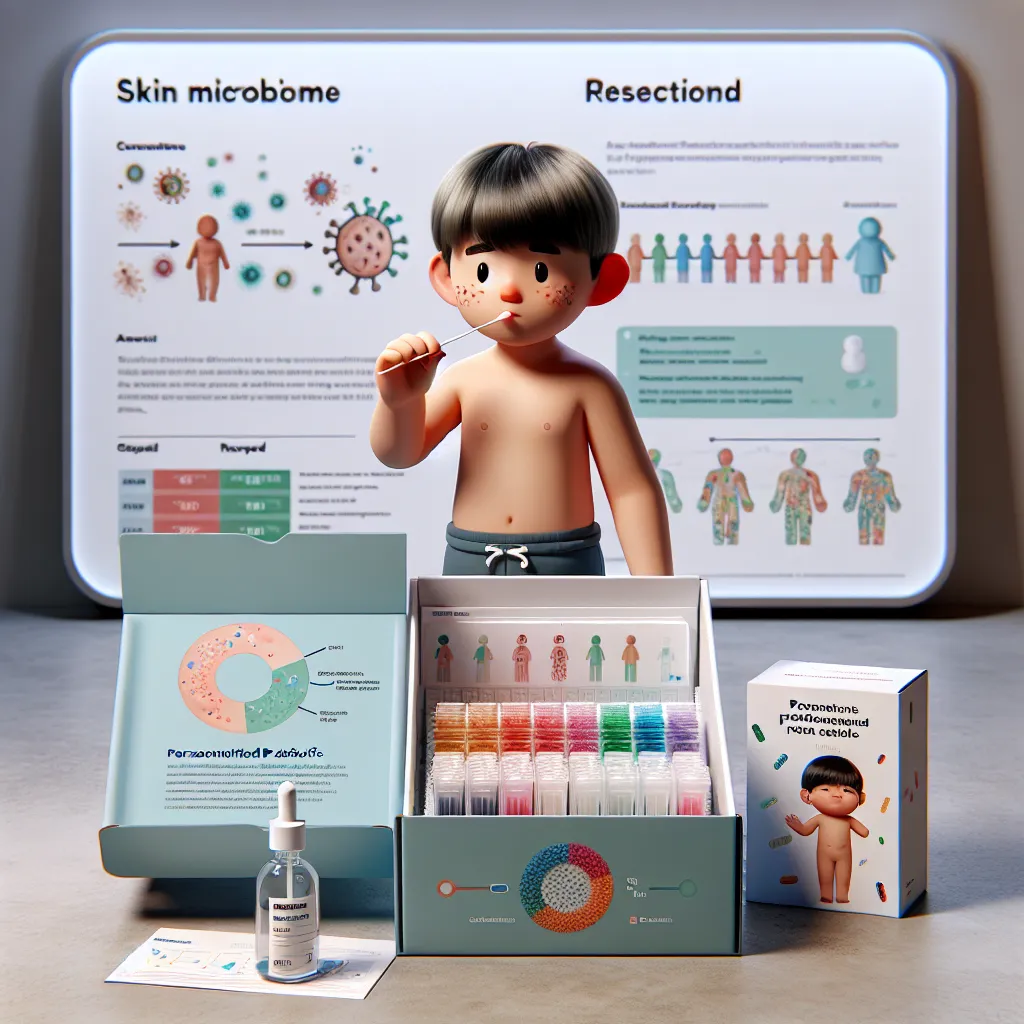
Right now, no one knows what kind of bacteria colonize their skin until problems appear. But MIT’s study suggests that adolescence is the key moment to either onboard healthy strains or let harmful ones dominate. The solution: a $99 mail-in “Microbiome Onboarding Kit” designed for kids aged 9–15. Users swab their cheek and nose, send it in, and get a report showing which beneficial strains are missing, along with a personalized probiotic serum. Why now? AI and genomics have made it cheap to analyze microbiome data, and parents are more willing than ever to invest in preventative care. This is like a 23andMe for skin, timed with the bacterial “land rush” of puberty. For example, a pediatrician might recommend onboarding testing during a routine visit, or parents might buy it during back-to-school season to help their kids stay confident and acne-free through middle school.
Description
No additional description provided.
The Pitch
At present, individuals remain largely unaware of the types of bacteria colonizing their skin until noticeable issues, such as acne or irritation, arise. Recent studies from institutions like MIT have highlighted adolescence as a critical period during which either beneficial or harmful bacterial strains can establish dominance on the skin. Recognizing this pivotal moment provides an opportunity to introduce a solution that fosters healthier skin microbiomes from an early age.
Introducing a $99 mail-in Microbiome Onboarding Kit specifically designed for children aged 9 to 15. The kit allows users to easily swab their cheek and nose, sending these samples to a lab for analysis. Within weeks, each user receives a detailed report identifying any beneficial bacterial strains that might be missing from their microbiome, alongside a personalized probiotic serum tailored to their specific needs.
The timing is perfect for such a product due to advancements in AI and genomics, which have significantly lowered the costs associated with microbiome analysis. Additionally, there is a growing trend among parents to prioritize preventative health measures for their children, making them more open to investing in innovative solutions that promote long-term well-being.
In essence, this product can be likened to a 23andMe for skin health, uniquely positioned during the biological shifts that occur during puberty. This period can be regarded as a bacterial land rush, where timely intervention can set the stage for healthier skin microbiomes throughout life.
For instance, pediatricians could introduce this onboarding test during regular check-ups, or parents might consider purchasing it during back-to-school periods to help ensure their children maintain healthy and confident skin through their middle school years.
To launch this product as a minimum viable product, or MVP, several steps and tools can be utilized. Core elements include:
1. **Prototyping and Development**: Leverage rapid prototyping tools to design the kit and have it tested for usability among target age groups. Partnering with a reliable laboratory with experience in genomic analysis will be crucial.
2. **Technology Stack**: Invest in AI and data analytics platforms capable of processing microbiome data efficiently. These technologies will help in creating personalized reports that add value to the consumer experience.
3. **Marketing Tools**: Utilize digital marketing strategies, including social media and email campaigns, to target parents, schools, and healthcare providers. Content that educates about the benefits of early microbiome intervention will be essential.
4. **Distribution Channels**: Collaborate with pediatric clinics, pharmacies, and retail stores for wider distribution. Developing an online platform for direct sales will also help reach a broader audience.
The go-to-market (GTM) strategy will center around education-focused campaigns and partnerships. Engaging with healthcare professionals as advocates will enhance credibility. Launching pilot programs in select schools or clinics could also serve as powerful testimonials.
For the business model, a subscription-based service that provides periodic updates on the child's skin microbiome, along with shipments of personalized probiotic serums, could ensure continuous engagement. This approach not only cultivates ongoing relationships with customers but also creates a recurring revenue stream.
In summary, this microbiome onboarding kit represents a timely and innovative solution to a problem that affects numerous adolescents. With strategic development and marketing efforts, this product has the potential to transform how parents approach skin health during the critical years of adolescence.