Adaptive User Interfaces Based on Real-Time Behavior
Websites and apps still look identical for every user — even though data exists to tailor everything from layout to tone to micro-interactions. SenseMap is an adaptive UX engine that rebuilds interface components in real time based on user behavior, mood, environment, and intent. If a user browses quickly, the UI becomes minimalist and fast; if the user dwells, it surfaces richer storytelling; if it’s bright outside, colors adjust; if the person is anxious (based on micro-patterns), it simplifies choices. This becomes possible now with lightweight client-side AI and predictive UX models. A travel site could shift to “concierge mode” for stressed users who need reassurance versus “adventure mode” for confident explorers.
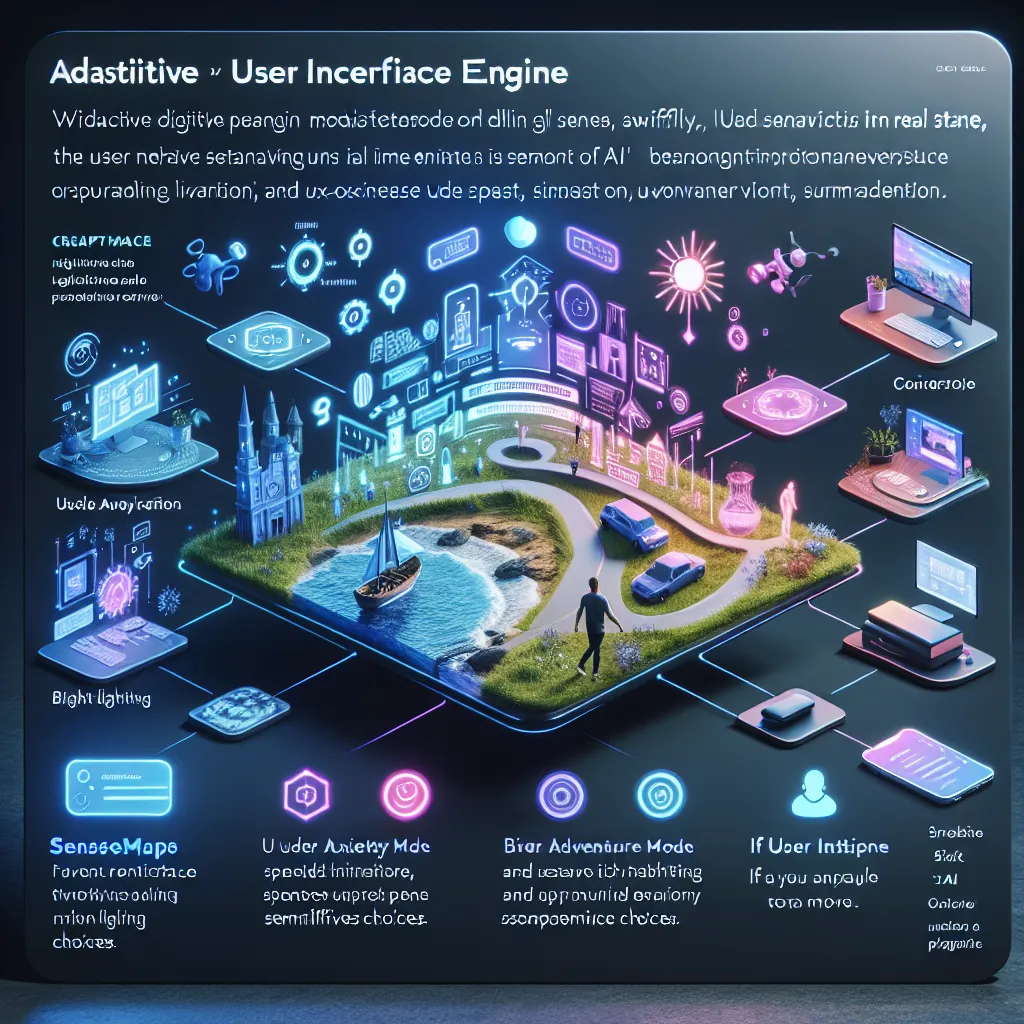
Description
No additional description provided.
The Pitch
In today's digital world, personalization has reached new heights in fields like marketing and recommendations, yet user interfaces (UIs) have largely remained static and one-size-fits-all. This often results in suboptimal user experiences where potentially amazing interfaces fail to meet individual needs and preferences. Consumers demand experiences that not only cater to their immediate needs but also anticipate them. Advances in data analytics and artificial intelligence present an untapped opportunity to revolutionize how interfaces are designed and experienced. Enter SenseMap: an adaptive UX engine designed for the modern era.
**The Problem**
Web interfaces and apps are inherently static in their current form. Despite the rich data available—tracking user behavior, mood, environment, and intent—the UX remains stubbornly uniform. This lack of adaptability can lead to frustration for users whose needs and situational contexts change constantly. For example, a user might behave differently when browsing a travel site under stress compared to when they are excited about planning an adventure. Static UIs fail to accommodate these changing states, leading to lost engagement and decreased user satisfaction.
**The Solution**
SenseMap addresses this discrepancy by providing an adaptive UX engine that dynamically adjusts interface components in real time. Using lightweight client-side AI and predictive UX models, SenseMap modifies UIs based on user behavior and context. It offers personalized layouts, tones, and micro-interactions, leading to a more intuitive and satisfying user experience. For instance, if a user is browsing quickly, SenseMap can simplify the interface to enhance speed and clarity. Conversely, during moments of exploration or indecision, it can enrich the UI with storytelling elements and additional options.
**Product Details**
SenseMap operates as a client-side engine that requires minimal integration effort from developers. The key components include:
1. **Behavioral Analysis Module**: Tracks user actions in real time and interprets behaviors such as speed, clicks, and pauses.
2. **Contextual Adaptation Engine**: Adjusts UI components based on environmental factors like lighting, time of day, and device type.
3. **Mood Inference System**: Utilizes micro-pattern analysis to gauge user mood and adjusts tone and complexity.
4. **Intent Prediction Model**: Anticipates user intent and suggests actions or content accordingly.
**Tools for Launching as an MVP**
Launching SenseMap as a minimum viable product (MVP) requires a streamlined set of tools and processes:
- **Frontend Frameworks**: Leverage libraries like React or Angular for seamless integration. - **AI Libraries**: Utilize TensorFlow.js or ml5.js for lightweight client-side machine learning. - **Analytics Tools**: Implement analytics platforms like Google Analytics or Mixpanel for user behavior tracking. - **A/B Testing**: Use tools like Optimizely to test different versions of adaptive interfaces.
**Go-To-Market Strategy**
1. **Target Early Adopters**: Focus initially on industries that value personalized experiences, such as travel, e-commerce, and media.
2. **Partnerships**: Collaborate with UX design agencies and software development firms to drive adoption.
3. **Content Marketing**: Educate the market with case studies, white papers, and webinars on the benefits of adaptive UX.
4. **Freemium Model**: Offer a basic version with limited features for free to attract users, with premium features behind a paywall.
5. **Feedback Loop**: Establish a customer feedback loop for continuous improvement and to maintain relevance.
**Business Model**
SenseMap operates on a SaaS model with tiered subscription plans:
- **Basic Tier**: Provides access to core adaptive features with limited customizations. - **Professional Tier**: Includes advanced analytics and customization options. - **Enterprise Tier**: Offers bespoke solutions with dedicated support and extensive integration capabilities.
Through SenseMap, digital interfaces are set to become more than just interactive elements; they will transform into highly responsive, intelligent guides attuned to every user’s unique journey.