Adaptive Surfaces Merge Physical and Digital Worlds
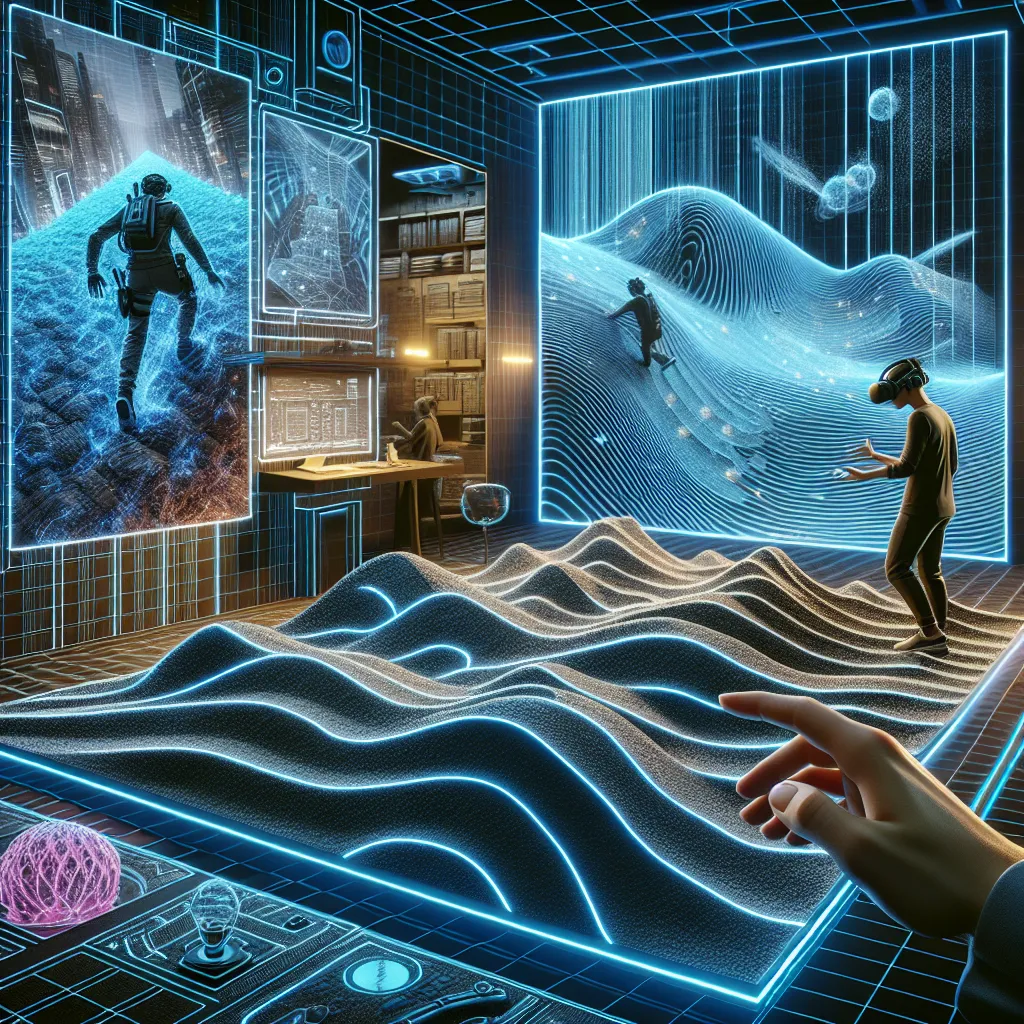
Digital worlds are visually rich but physically flat. AR and VR rely almost entirely on screens, controllers, and haptics that approximate reality without ever fully engaging the body. This idea introduces adaptive physical surfaces that synchronize with virtual environments, changing texture and appearance to match what users see. Instead of simulating touch, the environment itself becomes responsive. The timing fits the push toward immersive training, spatial computing, and mixed reality workspaces. A VR training room could physically roughen walls during a climbing simulation or raise tactile controls from a flat surface during a virtual cockpit sequence — blurring the line between physical and digital.
Description
No additional description provided.
The Pitch
In today's rapidly evolving technological landscape, the pursuit of more immersive digital experiences has been a key driver for advancements in both augmented reality (AR) and virtual reality (VR). While these technologies offer visually stunning experiences, they fall short in engaging the full range of human senses, particularly touch. Current solutions rely heavily on visual and auditory stimuli, supplemented by haptic feedback that merely approximates reality. This limitation presents a significant gap between virtual and physical interactions.
This concept introduces the breakthrough idea of adaptive physical surfaces that seamlessly integrate with virtual environments. These surfaces can alter their texture and appearance in real-time to match the virtual scenes being presented, offering an unprecedented level of immersion. Imagine a training session in a VR environment where the walls can actually roughen during a climbing simulation, or a flat surface that morphs to form tactile controls during a virtual cockpit exercise. Such innovations would blur the line between the digital and physical worlds, providing users with a more holistic, sensory-rich experience.
The timing is opportune, with increasing interest in immersive training solutions, spatial computing, and mixed reality workspaces. These adaptive surfaces could revolutionize various fields by offering more realistic and engaging training modules, enhancing educational experiences, and enriching interactive entertainment.
To transform this concept into a viable product, we propose creating an MVP that demonstrates the core functionality of the adaptive surfaces. Using cutting-edge materials science and programmable actuators, the MVP would showcase dynamic texture changes synchronized with VR scenarios. Development would involve close collaboration with software and hardware experts in AR and VR to ensure seamless integration and fluid user experiences.
A strategic approach would be employed to bring this innovation to market. Initial focus would be on industries with immediate demand for enhanced tactile experiences, such as aerospace, military training, and healthcare. This would be achieved by building partnerships with industry leaders and demonstrating the product's unique advantages in realistic simulations.
The business model would involve direct sales to training centers and institutions, with potential for licensing the underlying technology to hardware manufacturers seeking to integrate it into their own devices. Subscription models could offer continued support and software updates, ensuring clients always have access to the latest advancements.
Launching tools and platforms would include startup incubators and tech accelerators to gain industry insights and connections. Marketing efforts would leverage digital channels and industry conferences to showcase our innovative solution and generate interest from potential users and partners.
In summary, these adaptive physical surfaces promise to revolutionize the way we interact with digital worlds by offering a more authentic and immersive experience. The venture would address a critical gap in today's AR and VR landscapes, fostering richer, more engaging interactions that fully engage the senses.