Adaptive Smart Ring: Real-Time Mental Wellness Coach
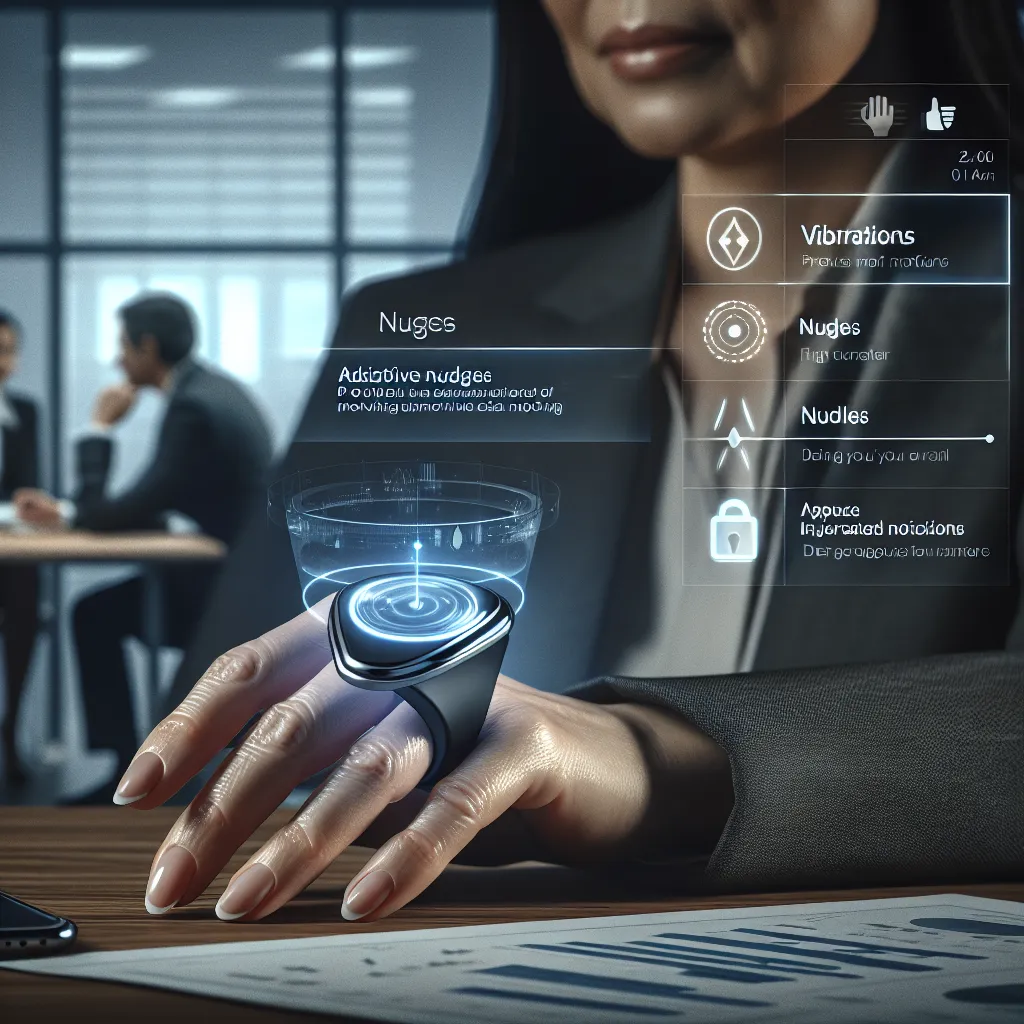
Smart rings today track heart rate and sleep, but few act on this data to improve your mental state in the moment. This startup offers a sleek wearable that pairs biometric monitoring with adaptive nudges. When stress spikes, it subtly vibrates and suggests a breathwork pattern; when focus drops, it triggers a Pomodoro reminder or reduces phone notifications via app integration. Inspired by devices like Acer FreeSense but designed for state management, not just logging, the ring acts like a mental coach in jewelry form. A founder prepping for a pitch could get a vibration cue: “Nervous system activated—breathe in 4, hold 4, out 6,” helping them self-regulate without opening their phone.
Description
No additional description provided.
The Pitch
Smart rings have gained popularity by monitoring basic health metrics like heart rate and sleep patterns. However, most of these devices fall short in using this data effectively to influence and improve the user's mental state in real-time. Introducing a new solution — a sleek, adaptive wearable that transforms biometric monitoring into actionable insights, offering users a proactive approach to managing their mental wellbeing.
Background:
The increasing prevalence of stress-related disorders and the growing awareness of mental health have highlighted the need for tools that not only track well-being but actively enhance it. While devices like the Acer FreeSense gather valuable data, they primarily focus on logging information rather than improving the user's current mental state. There is a clear gap in the market for a product that acts as an intuitive mental coach, offering immediate interventions rather than passive data collection.
Problem:
Many individuals today struggle with the physical manifestations of stress and reduced focus, from students facing exam pressures to professionals preparing for high-stakes presentations. Traditional tools like wellness apps or meditation sessions often require active engagement, which can be disruptive or impractical in moments of distress. Users need a solution that seamlessly integrates into their daily lives, offering real-time assistance without demanding their attention or interrupting their workflow.
Solution:
This smart ring offers a transformative approach by pairing biometric monitoring with adaptive, real-time nudges. It continuously tracks stress markers and attention levels, delivering gentle interventions that guide the user back to a calmer, more focused state whenever deviations are detected. For example, during moments of heightened anxiety, the ring vibrates subtly, suggesting a breathing exercise to regulate the nervous system. Similarly, when attention wanes, it may send a Pomodoro technique prompt or reduce non-essential notifications through app integration.
Product Details:
The ring is designed with minimalistic elegance, ensuring it is both functional and fashionable. Key features include:
- Continuous biometric monitoring that tracks heart rate variability and other indicators of stress and focus. - Adaptive algorithms that personalize interventions based on the user's unique patterns and preferences. - Haptic feedback through subtle vibrations to suggest actions like specific breathwork or focus exercises. - Seamless integration with smartphones and other devices to manage distractions and enhance productivity. - A companion app that offers deeper insights and customization options, allowing users to set goals and track progress over time.
Tools for Launching an MVP:
To quickly develop and launch this smart ring as a Minimal Viable Product, consider leveraging tools and platforms such as:
- A rapid prototyping tool like Arduino or Raspberry Pi for initial hardware iteration. - Biometric sensors from platforms like Variable or BioRadio to measure physiological metrics. - Machine learning libraries such as TensorFlow Lite or Core ML to develop adaptive algorithms. - Mobile app development frameworks like Flutter or React Native for building the companion application.
Go-To-Market Strategy:
1. Target early adopters among tech-savvy professionals and health-conscious individuals who understand the value of mental state management. 2. Collaborate with influencers in wellness and productivity spaces to build awareness and credibility. 3. Partner with institutions and organizations focused on mental health to highlight the ring's potential benefits. 4. Launch an initial crowdfunding campaign to generate interest and gather user feedback for future iterations.
Business Model:
The business will operate on a direct-to-consumer model, initially offering the smart ring through an online store and later expanding to select retail partners. Revenue streams will include:
- Direct sales of the smart ring. - Subscription-based premium features via the companion app, offering enhanced analytics and personalized coaching. - Potential partnerships with corporate wellness programs and healthcare providers to reach a broader audience.
By addressing the need for real-time mental state management, this smart ring not only enhances the user's well-being but opens up new avenues for personal growth and performance optimization.