Adaptive Smart Jackets for Optimal Warmth
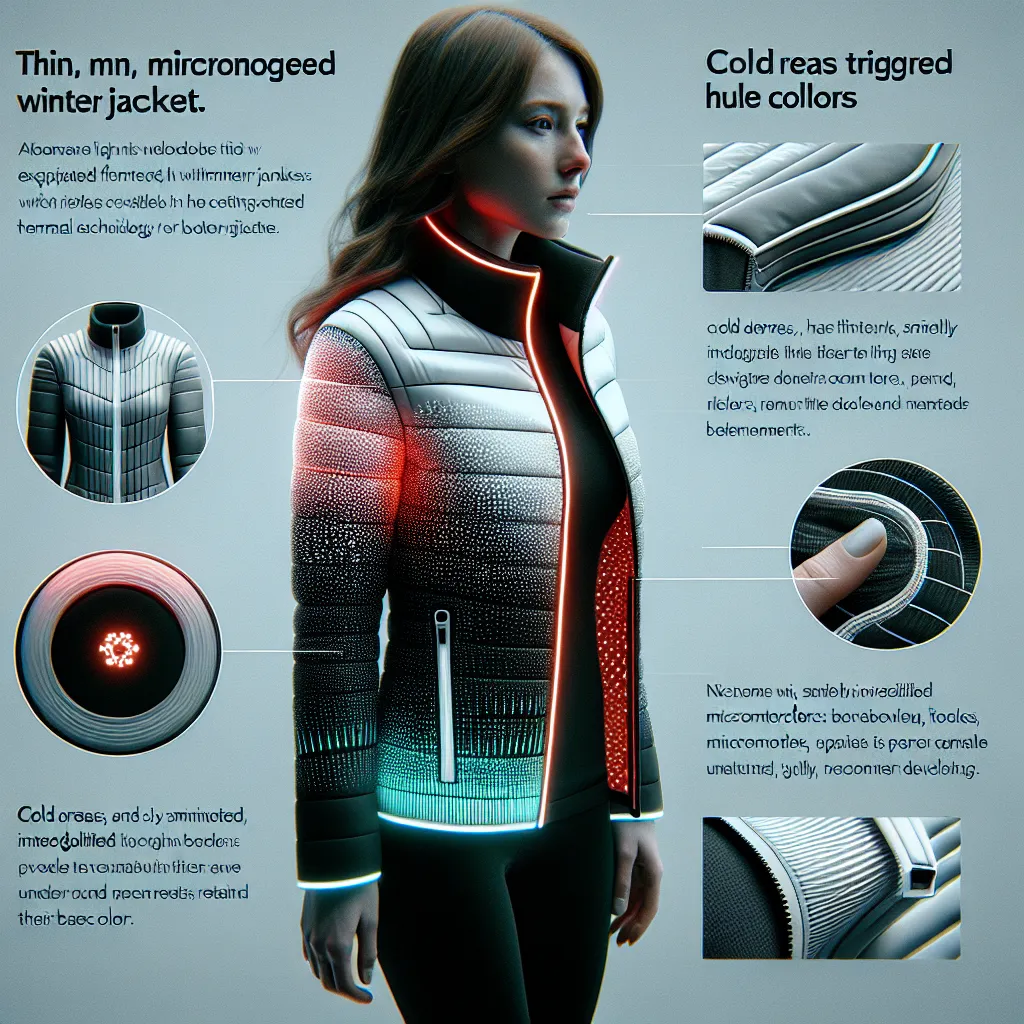
Heated jackets exist, but they’re clunky, with inconsistent warmth and manual controls. By combining MIT’s film with smart microcontrollers, clothing can automatically sense and adapt to your skin’s thermal output. Cold areas get heated, hot ones stay off. It minimizes power use and maximizes comfort—ideal for winter athletes, commuters, or workers in shifting environments. As wearable tech gets smarter and thinner, dynamic warmth is the next frontier in fashion-meets-function.
Description
No additional description provided.
The Pitch
Heated jackets have been around for some time, but they often come with limitations such as inconsistent warmth and cumbersome manual controls. These issues can detract from user experience, making the jackets less efficient and more of a hassle when it comes to adjusting comfort levels. The core problem revolves around the lack of intelligent adaptability—these jackets don't respond to the wearer's specific thermal needs or ever-changing environmental conditions.
The solution lies in leveraging cutting-edge materials and smart technology. By integrating a specialized film developed at MIT with advanced microcontrollers, we can create clothing that intuitively senses and adjusts to the wearer's thermal output in real-time. This innovation ensures that colder areas of the body receive targeted warmth while avoiding excessive heating in already warm spots. The result is a system that not only maximizes comfort but also optimizes power consumption, making it perfect for winter athletes, commuters, or workers who experience varying climate conditions throughout the day.
The product is essentially a smart jacket that incorporates dynamic warmth features. It utilizes a sophisticated network of sensors and heating elements embedded within a flexible, breathable, and lightweight film. The sensors continuously monitor temperature variations across the jacket's surface, sending data to microcontrollers that process the information. Based on the analysis, the microcontrollers activate or deactivate heating elements as needed, providing personalized warmth to the wearer.
To modernize and launch this product as a minimum viable product, several tools and technologies can be employed. Rapid prototyping tools such as 3D printers and CNC machines could be used to create initial models and designs of the jacket's hardware components. Software development kits and modular electronics platforms, like Arduino or Raspberry Pi, can facilitate quick development and testing of the smart sensing and heating systems. Additionally, leveraging cloud computing services for data handling and remote updates can enhance the jacket's functionality and user interface.
For a go-to-market strategy, a phased approach will be beneficial. Initial target segments might include winter sports enthusiasts and professionals working in outdoor settings. Partnering with sports teams or athletic brands could provide both visibility and credibility. A focused marketing campaign highlighting the unique benefits of adaptive thermal clothing can generate buzz and attract early adopters.
In terms of a business model, a direct-to-consumer approach can be effective, allowing for higher margins and direct customer feedback. This can be complemented by strategic collaborations with retail partners for wider distribution. Subscription services or app-based personalized services might also add value, offering customers periodic upgrades or new feature access through software updates.
Ultimately, the combination of advanced material science and intelligent electronics stands to revolutionize the field of wearable technology by setting new standards for comfort and efficiency in heated clothing.