Adaptive Self-Healing Prosthetic Limbs for Independence
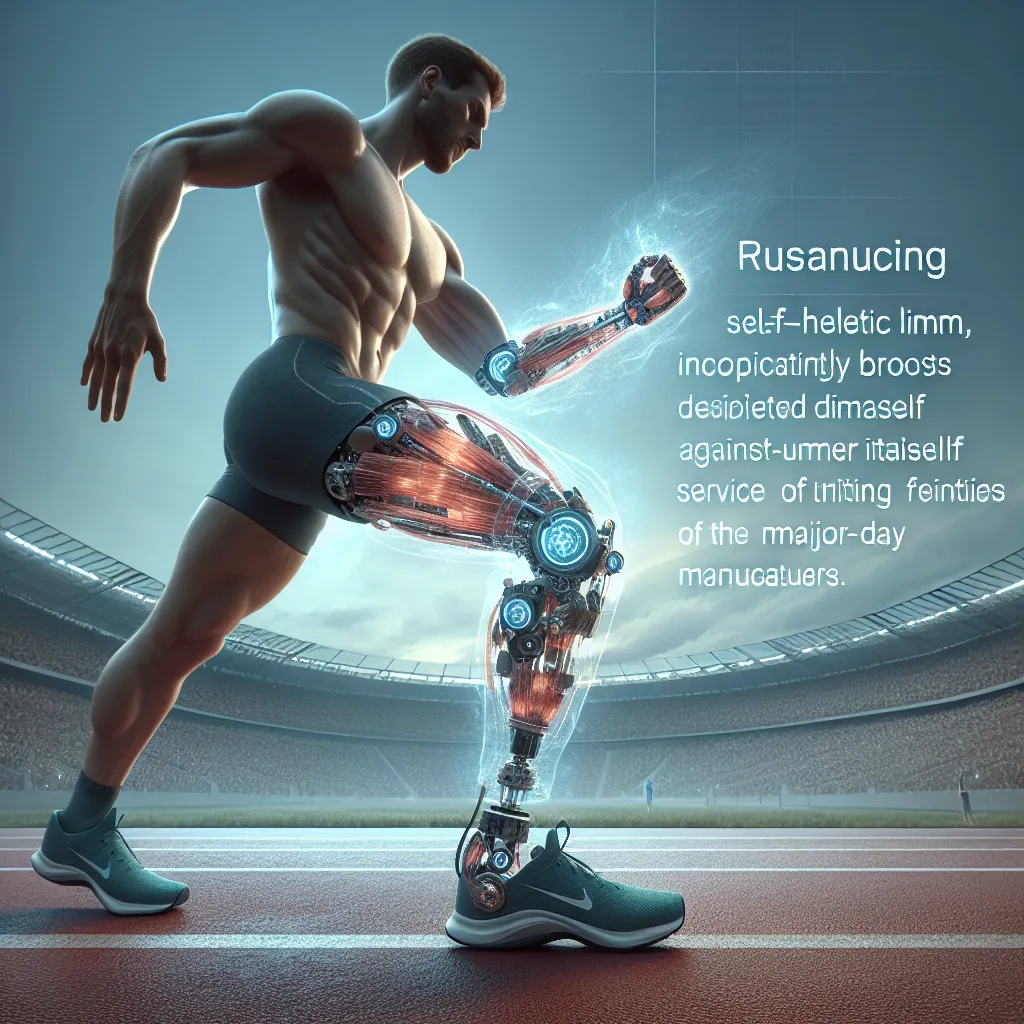
Prosthetic limbs are improving, but they still degrade under daily wear, leading to expensive repairs and long wait times. Damage affects mobility and quality of life for users. Solution: Build adaptive prosthetics using self-healing robotic muscles that restore integrity after minor damage, keeping the limb functional without service interruptions. Why now: With prosthetics becoming more biomechanical, adding self-repair boosts resilience and user independence. No major manufacturer currently integrates autonomous muscle healing. Example: A runner with a prosthetic leg can participate in marathons, with the artificial muscles repairing micro-tears in real-time, ensuring no race-day failures.
Description
No additional description provided.
The Pitch
Improving the quality of life for individuals using prosthetic limbs is an ongoing challenge. Despite advances in technology, these devices still face significant issues with wear and tear from daily use. This degradation often leads to costly repairs and lengthy wait times for services, negatively impacting the users' mobility and overall quality of life.
This situation presents an opportunity to explore innovative solutions that incorporate cutting-edge technology. One such solution is the development of adaptive prosthetics featuring self-healing robotic muscles. These muscles have the ability to restore their structural integrity after experiencing minor damage, allowing the prosthetic limb to remain functional without requiring immediate service or intervention.
The timing for this development could not be more appropriate. As prosthetics evolve to become more biomechanical, incorporating the ability for self-repair enhances both the durability of these devices and the independence of their users. Currently, no major manufacturer has integrated autonomous muscle healing into their prosthetic offerings, offering a unique opportunity for differentiation and leadership in the market.
Consider, for example, the potential impact on a runner using a prosthetic leg. With a prosthetic equipped with self-healing robotic muscles, the runner could confidently participate in marathons or other demanding physical activities. These innovative artificial muscles would repair any micro-tears that occur in real-time, ensuring that the user does not experience any failures or performance issues on race day.
For those interested in bringing this vision to life, there are several key components to consider:
Backstory: Understanding the daily challenges faced by prosthetic users and the limitations of current technology is crucial. Both personal stories and research insights can help build a comprehensive view of the need for this innovation.
Problem: The central problem to address is the degradation of prosthetic limbs under everyday wear, which leads to costly maintenance and inconvenience for users.
Solution: The proposed solution is an adaptive prosthetic design featuring self-healing robotic muscles. This innovation addresses the problem at its core by preventing functional downtimes and enhancing the lifespan of the device.
Product Details: The prosthetic limb would incorporate advanced materials and sensors capable of detecting damage and triggering a healing response within the robotic muscles. The design would aim for seamless integration with existing socket systems for user comfort.
Tools for MVP Launch: Developing a minimum viable product would involve leveraging technologies such as 3D printing for custom fittings, soft robotics for muscle design, and AI-driven predictive maintenance systems. Collaborations with research institutions and technology incubators could streamline this process.
Go-To-Market Strategy: The initial focus would be on niche markets, such as athletes and military veterans, who would greatly benefit from enhanced prosthetic resilience. Creating partnerships with medical providers and insurance companies could help establish trust and facilitate wider adoption.
Business Model: The business could adopt a subscription-based service for ongoing maintenance and upgrades, ensuring sustained revenue streams and continued relation with customers. Additionally, a direct sales model with partnerships through hospitals and prosthetic clinics would offer robust distribution channels.
By addressing the challenges faced by current prosthetic technologies and offering a groundbreaking solution, this endeavor has the potential to greatly improve user experiences and establish a new standard in prosthetic limb design.