Adaptive Robotic Skins for Dynamic Camouflage
Autonomous systems are becoming unavoidable in public and private spaces, but their biggest weakness isn’t intelligence — it’s visibility. Drones, delivery bots, and mobile robots stand out instantly, triggering human distrust, vandalism, regulatory scrutiny, or mission failure in sensitive environments. Today’s solutions rely on static paint, clunky coverings, or manual concealment, none of which adapt as lighting, terrain, or context changes. This idea introduces adaptive robotic skins that automatically alter color and surface texture in real time based on environmental sensing and computer vision. Instead of hiding robots permanently, the system lets them blend when needed and signal visibility when required. The timing is right because robotics deployment is accelerating faster than social acceptance, and cities are beginning to push back. Imagine a delivery robot that visually blends into a sidewalk while idle, then becomes highly visible at crosswalks — invisibility and compliance controlled by software.
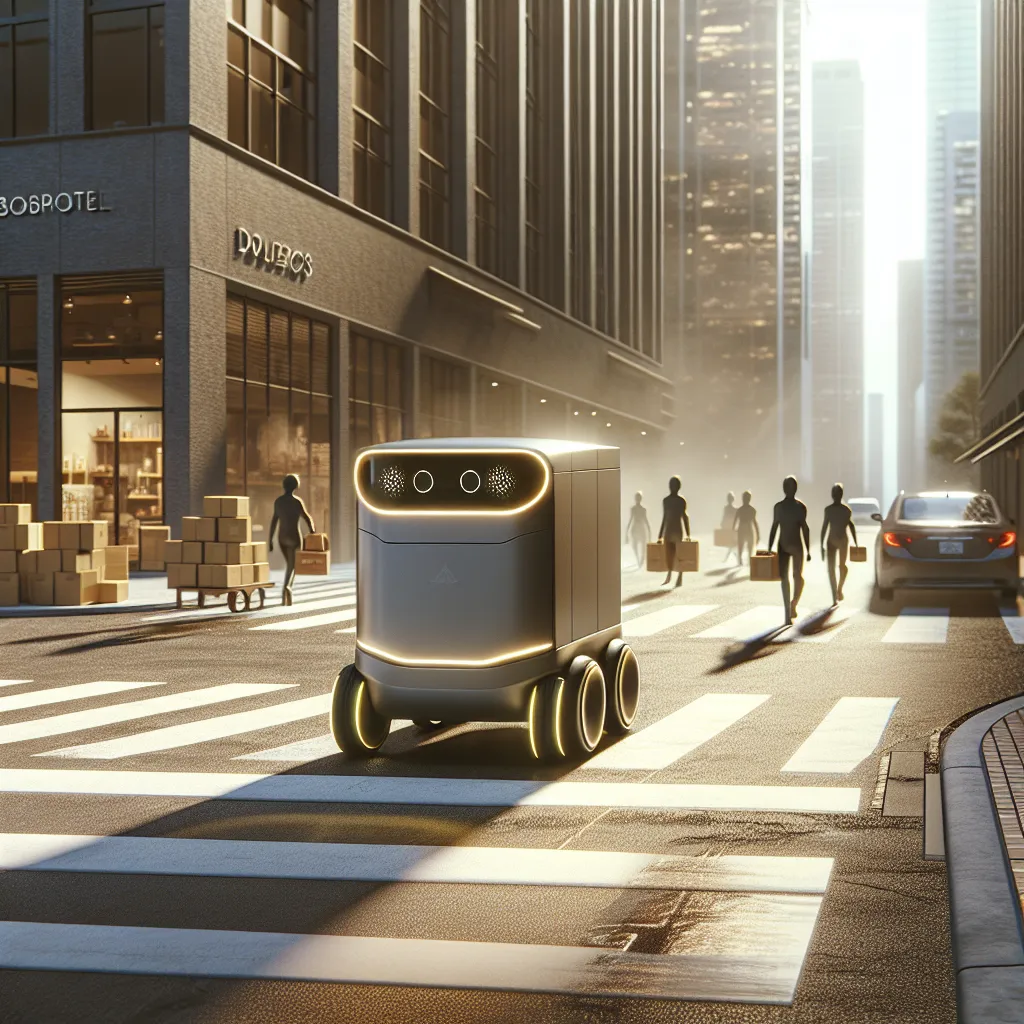
Description
No additional description provided.
The Pitch
In an age where autonomous systems are becoming an integral part of public and private environments, their success hinges not just on intelligence but also on how they're perceived and accepted by society. As drones, delivery robots, and mobile units increasingly populate our spaces, they are often met with skepticism, targeted vandalism, strict regulatory oversight, or operational disruptions in sensitive areas. The fundamental issue lies in their visibility and inability to adapt seamlessly to their surroundings.
Problem Statement:
Current methods to address these concerns fall short, relying heavily on static paint, bulky covers, or manual interventions that fail to adapt to changing conditions such as lighting, terrain, or context. These methods are not only inefficient, but they also limit the operational flexibility of robotic systems, hindering their wider acceptance and integration into daily life.
Solution Overview:
The solution lies in the development of adaptive robotic skins that can autonomously change color and texture based on real-time environmental inputs. Utilizing advanced environmental sensing and computer vision technologies, these skins enable robots to blend into their surroundings when necessary or stand out when required, controlled entirely by software. This dynamic adaptability could transform both the utility and acceptance of autonomous systems.
Product Details:
The adaptive skin system consists of several key components:
1. Sensing Module: Equipped with environmental sensors and computer vision capabilities to analyze surroundings. 2. Control Software: An AI-driven platform that processes sensor data and directs the adaptive response. 3. Skin Material: A flexible, durable material embedded with micro-actuators and color-changing cells capable of real-time adjustments.
Tools for MVP Development:
- Robotics Development Kit: Platforms like NVIDIA Jetson can provide robust AI and computing power. - Machine Learning Frameworks: TensorFlow or PyTorch for developing the computer vision models needed for environmental sensing. - Material Science Partnerships: Collaborations with organizations specializing in responsive materials (e.g., those developing e-inks). - Rapid Prototyping Tools: 3D printing and prototyping services to quickly iterate on skin designs.
Go-To-Market (GTM) Strategy:
1. Identify Verticals and Early Adopters: Focus initially on industries with urgent needs, such as logistics companies using delivery robots, municipalities overseeing public spaces, and the entertainment sector for immersive applications. 2. Pilot Programs: Initiate pilot partnerships to gather real-world data and refine the product. 3. Strategic Partnerships: Collaborate with robotics manufacturers and software companies to integrate adaptive skins as part of their product offerings. 4. Education and Advocacy: Conduct workshops and seminars demonstrating the benefits and safety of adaptive robotic systems to foster public trust and regulatory support.
Business Model:
The adaptive robotic skins can adopt a B2B subscription-based model, offering adaptive technology as a service to businesses operating robotic fleets. Partnerships with OEMs can introduce licensing agreements, integrating adaptive skins into new models from the ground up. Additionally, after-market kits could be sold directly to consumers with existing robots seeking upgrades.
Conclusion:
As the presence of autonomous systems continues to expand, the ability to seamlessly integrate these machines into their environments becomes increasingly critical. Adaptive robotic skins offer a solution that redefines visibility, fostering social acceptance and operational efficacy. By focusing on adaptability through innovative technology, this approach aligns with the accelerating deployment of robots, ensuring they serve as allies rather than anomalies within human spaces.