Adaptive Mycelium Dressings Revolutionize Wound Care
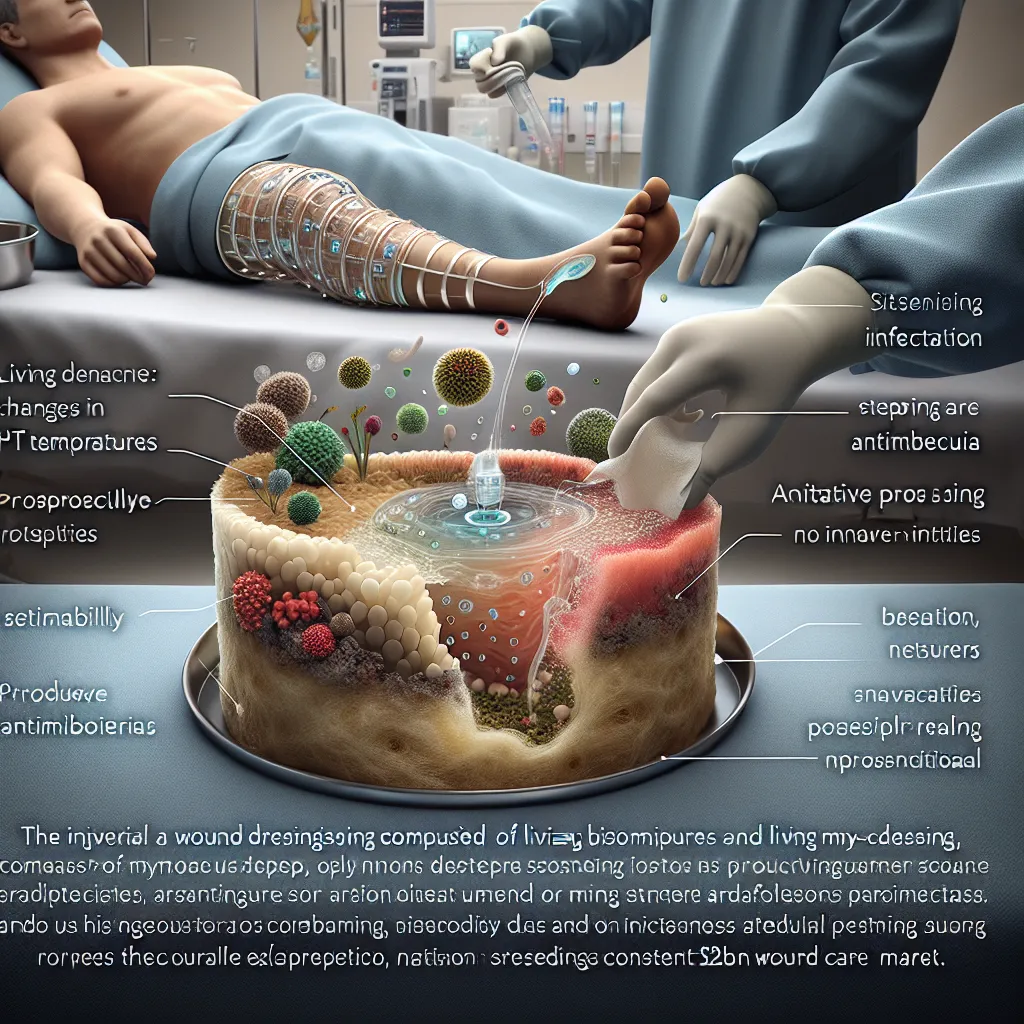
Most wound dressings are passive and offer limited response to dynamic healing needs. The problem is infections are often detected late, leading to delayed treatment and increased antibiotic resistance. Imagine a living wound dressing made from mycelium that can sense infection biomarkers like pH changes or heat, and then activate antimicrobial production only when needed. As healing progresses, the material adapts—becoming more breathable or sealing tighter as required. Why now? Advances in biosensing and bioactive mycelium materials meet growing demand for smart wound care. Example: Post-surgical patients receive living dressings that reduce infection rates without constant doctor intervention, cutting hospital stays. No commercial wound dressing today is living, adaptive, and responsive — it would disrupt the $20B wound care market.
Description
No additional description provided.
The Pitch
In the realm of healthcare, wound management plays a pivotal role in patient recovery. Most traditional wound dressings are passive, unable to respond to the dynamic needs of healing wounds. The current standard often results in delayed detection of infections, leading to costly treatments and contributing to the growing concern of antibiotic resistance. There is an opportunity to revolutionize wound care by introducing an innovative solution that not only addresses these issues but also integrates seamlessly into the existing healthcare framework.
Problem
One of the primary challenges in wound care is the late detection of infections. Traditional wound dressings provide basic protection without the capability to sense, respond, or adapt to the wound environment. This often results in infections being detected at a later stage, requiring more aggressive treatments that can exacerbate antibiotic resistance. Additionally, the lack of adaptability in most dressings means they do not provide optimal conditions throughout the healing process, potentially slowing down recovery.
Solution
Introducing a living wound dressing made from mycelium, a fungal material known for its robust and adaptive properties. This living dressing is capable of sensing various biomarkers associated with infection, such as changes in pH and temperature. Upon detecting any anomalies, the dressing can activate antimicrobial agents only when necessary, reducing unnecessary antibiotic use. As healing progresses, the dressing adapts to the wound's needs—it becomes more breathable or seals tightly as required, ensuring optimal healing conditions.
Product Details
- **Living Mycelium Matrix**: The core of the dressing is a mycelium-based matrix engineered to interact dynamically with the wound environment. - **Biosensors**: Embedded within the dressing are advanced biosensors capable of detecting changes in pH, temperature, and other infection indicators. - **Responsive Antimicrobial Release**: The dressing contains antimicrobial compounds that are triggered to release only when infection is detected, minimizing antibiotic use. - **Adaptive Material Properties**: The material dynamically changes its properties to provide the best healing environment, adjusting breathability and moisture retention as needed.
Tools for MVP Launch
- **Materials Science Partnerships**: Collaborate with research institutions specializing in mycelium technology and biosensors. - **Prototyping Platforms**: Utilize 3D printing technology and rapid prototyping methods to refine the dressing design and functionality. - **Clinical Testing Frameworks**: Partner with medical centers for preliminary clinical trials to demonstrate efficacy and safety.
Go-to-Market Strategy
- **Initial Target Market**: Focus on post-surgical patients and chronic wound care, where infection rates are high and immediate intervention is crucial. - **Healthcare Partnerships**: Collaborate with hospitals and healthcare providers to integrate the living dressings into existing wound care regimens. - **Regulatory Approvals**: Engage with regulatory bodies early in the development process to ensure compliance and streamline the path to market. - **Educational Campaigns**: Launch awareness programs to educate healthcare professionals about the benefits and use of the new dressing.
Business Model
- **Direct Sales to Healthcare Providers**: Sell directly to hospitals, clinics, and healthcare facilities that specialize in wound management. - **Subscription Model for Consumables**: Offer a subscription service for dressing replenishment, ensuring patients receive timely resources for ongoing care. - **Licensing Agreements**: Explore licensing opportunities with established wound care manufacturers to utilize their distribution networks and brand reputation.
Conclusion
This innovative approach to wound management has the potential to transform the industry by offering a solution that is responsive, adaptive, and sensitive to the needs of healing patients. By leveraging advances in biosensing technologies and bioactive materials, this living wound dressing not only addresses current challenges but also positions itself as a disruptor in the $20 billion wound care market. Now is the time to embrace this leap forward in medical technology, improving patient outcomes and setting a new standard in wound care.