Adaptive Modular Homes for Aging in Place
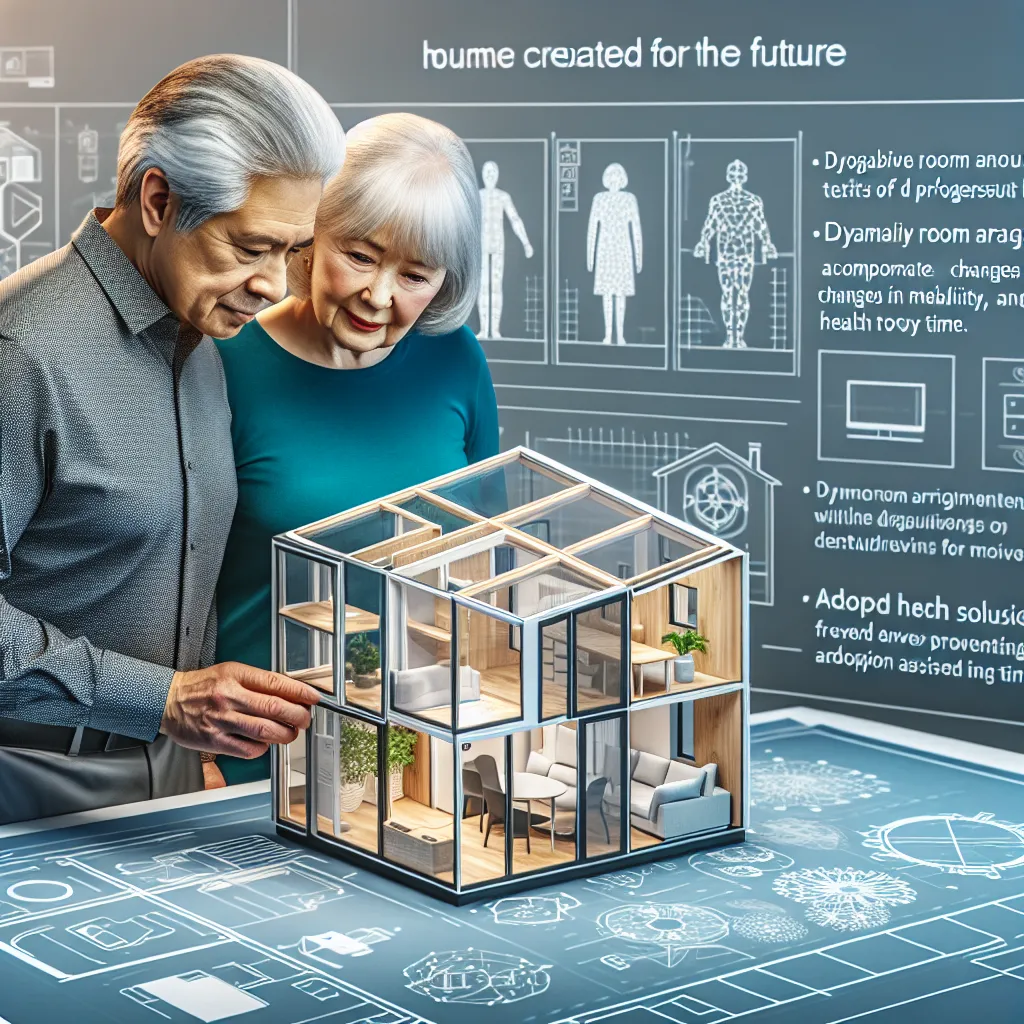
People want longer independent living, but home design doesn’t support aging. A startup creates modular, tech-enabled homes that adapt to mobility, cognition, and health needs over time. The solution is buying/building with aging in mind—not retrofitting later. Why now: housing stock is outdated and the home is becoming the primary healthcare site. Example: a 55-year-old couple buys a home that automatically transitions as their needs change—without moving or entering assisted living.
Description
No additional description provided.
The Pitch
In the rapidly aging global population, the desire for longer independent living has become a prevalent goal among many individuals. However, traditional home designs fail to support the evolving needs associated with aging. Recognizing this challenge, a unique opportunity emerges for a startup to address this pressing issue. By developing modular, tech-enabled homes capable of adapting to varying mobility, cognition, and health needs over time, we provide a proactive solution that contrasts starkly with the reactive nature of retrofits.
Backstory and Problem Identification:
As people age, their homes often fail to accommodate changing physical and cognitive needs, resulting in costly and inconvenient retrofits or, worse, the necessity of relocating to assisted living facilities. The majority of the housing stock today is outdated and not designed with aging in mind. Moreover, with shifts in healthcare dynamics, the home is increasingly becoming the primary site of healthcare delivery. This convergence of factors underscores the urgent need for homes that can adapt over a lifetime.
Solution:
Our proposed solution is to create flexible, modular homes designed from the ground up to transition seamlessly as owners age. These homes will incorporate smart technologies and adaptable design principles to ensure they meet the evolving needs of their residents. The emphasis is on buying or building with future needs in mind, rather than retrofitting later. This approach not only supports aging in place but also significantly enhances quality of life and maintains independence.
Product Details:
The key features of these adaptable homes include:
1. **Modular Design**: The home is constructed using modular components that can be easily reconfigured to meet changing mobility and accessibility needs.
2. **Tech-Enabled Systems**: Integrated smart home technologies monitor health indicators, enhance safety, and adjust environmental settings based on occupants’ preferences and health requirements.
3. **Accessibility Features**: Include wide doorways, non-slip flooring, and adjustable countertops to facilitate ease of access and mobility.
4. **Health Integration**: Seamlessly integrates with telehealth systems and wearable devices to allow residents to manage their health proactively.
Tools and Resources for MVP Launch:
1. **Rapid Prototyping Tools**: Use of software like AutoCAD or Revit for design and layout planning.
2. **IoT Development Kits**: To integrate smart tech into the prototype, platforms like Arduino or Raspberry Pi can be employed.
3. **Collaborations**: Partnering with healthcare providers, tech companies, and aging specialists for research, feedback, and refinement.
4. **Construction Partnerships**: Collaborate with modular home construction companies to streamline the building process.
Go-To-Market Strategy:
1. **Target Audience**: Focus primarily on middle-aged couples (aged 55+) who are planning their futures and wish to invest in homes that will accommodate their long-term needs.
2. **Partnerships**: Establish alliances with real estate developers, healthcare providers, and home automation companies to expand reach and credibility.
3. **Awareness Campaigns**: Through seminars, webinars, and online content showcasing the benefits of proactive home design for future-proofing.
4. **Pilot Projects**: Launch initial projects in select communities to demonstrate benefits and gather testimonials that will fuel broader marketing efforts.
Business Model:
1. **Direct Sales**: Offer homes through direct purchases or customizable packages that allow customers to tailor the design to their needs.
2. **Subscription Model**: Introduce a service model for ongoing tech and health system upgrades, maintenance and support.
3. **Partnership Revenue**: Generate income through strategic partnerships with healthcare systems and smart home tech companies by offering bundled services.
Conclusion:
By tapping into the growing desire for independent living and integrating cutting-edge technology with adaptable design, this startup can set a new standard in home living. This approach not only aligns with current housing and healthcare trends but provides a sustainable, customer-centric model for aging in place.