Adaptive Kindle: Personalized Reading Experience Engine
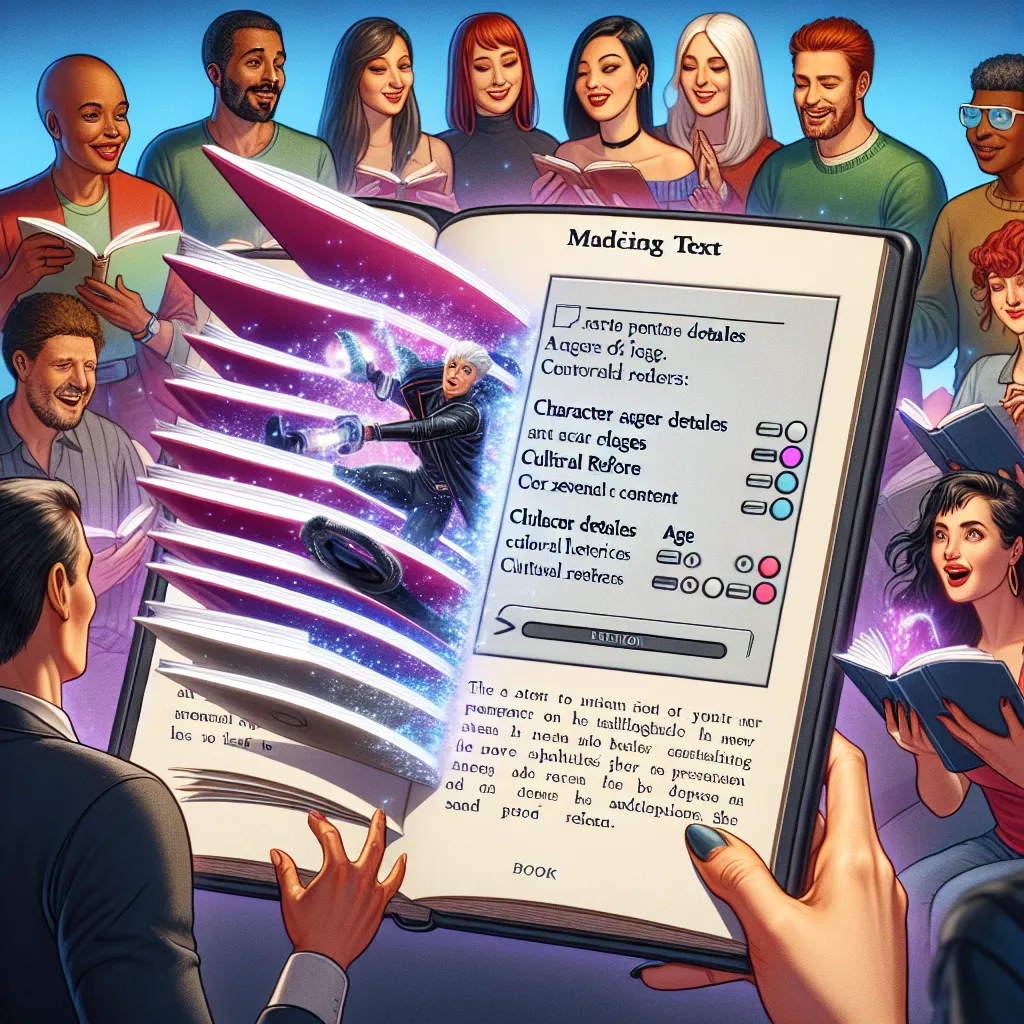
A Kindle-layer that quietly rewrites parts of books to match your comfort, identity, and preferences—without changing the core story. The problem: readers get yanked out of a book by details that feel wrong or creepy to them—heroines who are always 19 saving the world, villains who share your spouse’s name, tones that feel too young/old, or spice levels that don’t match your mood or household. The solution is an “adaptive fiction engine” that runs on top of e-books: you set a profile once (age, rough life stage, sensitivity settings, maybe even preferred gender vibes), and the system swaps things like character ages, certain names, and mild cultural references on the fly. For parents it can also down-shift scenes (“fade to black” instead of explicit), or swap certain words and phrases. For authors and publishers it’s a tool to define safe variable ranges (names, ages, spice level, slang level) and unlock more readers without rewriting entire books. Why now: LLMs are already good at controlled paraphrasing, and digital reading is dominant. Example: Zoe opens a romantic fantasy where the heroine is originally 19 and the villain is named Philip; on her Kindle it renders as a 39-year-old heroine and a completely different villain name, and suddenly the story is fun instead of icky.
Description
No additional description provided.
The Pitch
In the evolving landscape of digital reading, there's a growing recognition of the diverse needs and preferences that readers bring to their experiences with books. Many book enthusiasts find themselves disengaged when specific details within a story do not resonate with their personal experiences or comfort levels. Common disruptions include character ages that don't align with expectations, names that elicit discomfort due to personal associations, and thematic elements like romance or violence that conflict with individual preference. These factors can transform what should be an immersive reading journey into a jarring encounter.
Addressing this challenge is our innovative solution—a Kindle-layer that seamlessly customizes reading material according to individual reader profiles without altering the essence of the narrative. This adaptive fiction engine enables each reader to enjoy stories tailored to their unique preferences. Users can set a profile outlining aspects such as age, life stage, sensitivity to particular content, and even preferred gender dynamics. The engine then intelligently modifies aspects of the text, like character ages, specific names, and cultural references, to align with these preferences in real-time.
This system provides additional functionalities for parents by automatically adjusting the content to a more suitable version for younger audiences. Scenes can be subtly modified or toned down without losing the fundamental storyline, thereby creating an inclusive reading platform. As a parallel benefit, authors and publishers can use this tool to expand their readership by defining adjustable ranges within their content, such as character names, ages, and explicit content levels. This flexibility eliminates the need for rewriting while broadening appeal.
The timing is optimal for launching this adaptive engine, as advances in language models allow for sophisticated paraphrasing and contextual understanding. The prominence of digital reading further enhances the feasibility and attractiveness of such a service. Imagine a reader named Zoe, who opens a romantic fantasy novel where the main character is originally portrayed as a 19-year-old. By using our tool, her Kindle automatically adjusts the protagonist's age to 39, renaming a villain who might share a name with someone close to her, thereby transforming her reading experience from uncomfortable to enjoyable.
To launch this Minimum Viable Product, consider employing tools like OpenAI's GPT for language processing, paired with a reading app interface such as Kindle's open API, if available. For the go-to-market strategy, target avid readers and book clubs initially through social media campaigns, partnerships with digital libraries, and promotions on platforms like Goodreads. Offer a subscription-based business model to provide ongoing access to the adaptive features, with tiered pricing based on customization complexity. This approach balances accessibility with potential for premium offerings, ensuring a broad reach and steady growth.