Adaptive Finance Engine for Life Transitions
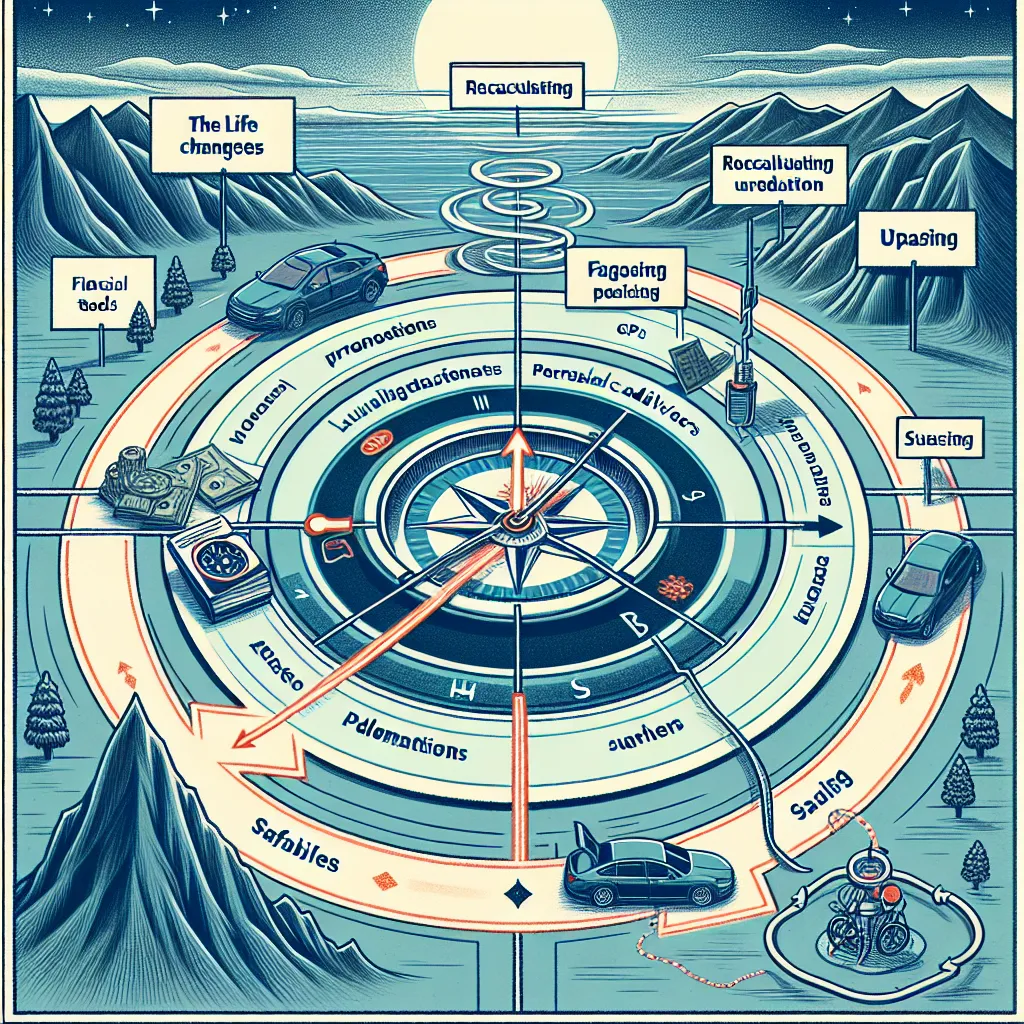
Most financial tools assume stability, but real life is lumpy. Promotions, layoffs, relocations, caregiving, divorce, and immigration all break otherwise “healthy” financial systems overnight. People don’t fail at money — their tools simply don’t adapt fast enough. This idea is a finance engine that activates only during life transitions, temporarily re-wiring budgets, savings rules, insurance choices, debt priorities, and tax settings based on the specific disruption. Once the transition stabilizes, the system unwinds and hands control back. Why now: payroll data, banking APIs, and AI modeling finally make short-term financial reconfiguration possible in real time. Example: a user changes jobs and moves states — the system recalculates cash runway, updates withholding assumptions, flags insurance gaps, pauses non-essential spend, and surfaces a 90-day financial playbook automatically.
Description
No additional description provided.
The Pitch
In the traditional landscape of personal finance, stability is often assumed. However, life is rarely static; it is marked by significant transitions such as job changes, relocations, caregiving responsibilities, divorces, and immigration. These events can abruptly disrupt otherwise sound financial plans, leaving individuals struggling to adjust. The challenge is not a failure to manage money, but rather the inadequacy of existing tools to adapt swiftly to these changes.
The Problem
Most financial tools are designed for steady, predictable scenarios. They fail to account for the volatility introduced by life’s many transitions. Users find themselves without the necessary flexibility in their budgets, savings, insurance, debt management, and tax configurations when faced with sudden changes. This lack of adaptability can lead to financial strain, increased stress, and suboptimal decision-making.
The Solution
Imagine a financial engine that activates only during life transitions. This system temporarily rewires financial settings—budgets, savings rules, insurance options, debt hierarchy, and tax parameters—tailored to the specific disruption a user is experiencing. Once the transition stabilizes, the system recalibrates and returns control to the user, ensuring a seamless shift back to normalcy.
The Product
Our adaptive financial platform leverages cutting-edge technology to deliver dynamic financial management during times of change. Here are its core components:
1. **Transition Detection**: Utilizing integrations with payroll data, banking APIs, and machine learning algorithms, the platform identifies life transitions in real-time, triggering the adaptive engine.
2. **Dynamic Reconfiguration**: The system offers personalized adjustments to: - **Budgets**: Reallocating funds to essential areas. - **Savings**: Modifying saving goals and methods in line with short-term needs. - **Insurance**: Assessing and flagging potential coverage gaps. - **Debt Management**: Restructuring debt priorities to maintain financial health. - **Tax Settings**: Updating withholding and other tax-related configurations.
3. **90-Day Playbook**: Provides users with a detailed, personalized financial plan to navigate the first 90 days of their transition effectively.
Tools for MVP Launch
Launching this innovative solution as a Minimum Viable Product requires a thoughtful selection of tools and technologies. Consider the following:
- **Financial Data Integration**: Utilize platforms like Plaid or Yodlee for accessing payroll and banking data. - **AI and Machine Learning**: Deploy tools like TensorFlow or PyTorch for building adaptive learning models that predict financial needs. - **App Development Frameworks**: Use React Native for mobile compatibility and rapid development. - **Cloud Services**: AWS or Google Cloud for scalable infrastructure and data processing capabilities.
Go-to-Market Strategy
To effectively reach and engage potential users, a focused go-to-market strategy is crucial:
1. **Target Audience**: Initially target individuals undergoing common transitions, such as recent job changers or new parents, who are most in need of adaptive financial tools.
2. **Partnerships**: Collaborate with HR platforms, relocation services, and financial advisors to integrate the product into existing ecosystems where target users are already engaged.
3. **Content Marketing**: Develop educational content that highlights the unique benefits of adaptive financial management, creating awareness and establishing authority.
4. **User Testimonials**: Showcase success stories to build trust and demonstrate the real-world impact of the tool.
Business Model
The business model will focus on a subscription-based approach, providing recurring revenue with premium features accessible through tiered plans. Consider offering a free trial period to encourage initial adoption and user engagement. Additionally, explore partnerships with financial institutions for potential revenue-sharing models.
Conclusion
In a world where life’s transitions are inevitable, our adaptive financial platform offers a new way to manage money with confidence and ease. By embracing advanced technology and user-centered design, we pave the way for a more resilient approach to personal finance, ensuring readiness and stability through every change.