Adaptive Family Systems for Modern Parenting
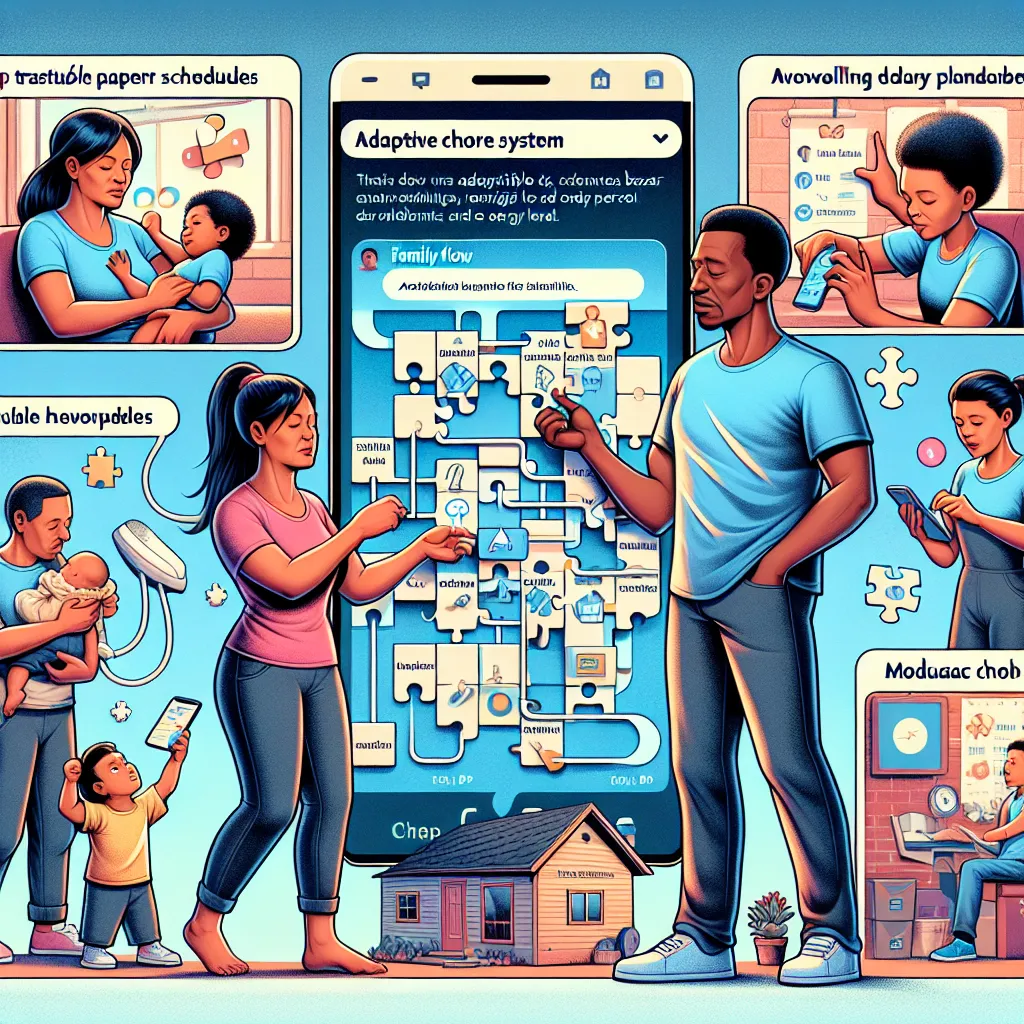
Parents are exhausted by rigid systems that collapse the moment life gets messy. Schedules, reward charts, and perfectly optimized routines look good on Instagram but fail in reality. A new category could emerge around adaptive household systems — tools that flex instead of enforce. Think modular chore ecosystems, dynamic family dashboards that shift based on mood and capacity, and AI-powered planners that reschedule automatically when chaos hits. Why now? Burnout is cultural, and millennial parents want structure without authoritarian vibes. Example: a shared “Family Flow” app that auto-adjusts responsibilities based on availability and energy instead of static rules.
Description
No additional description provided.
The Pitch
Parents today are navigating an ever-evolving landscape of responsibilities and challenges, often finding themselves overwhelmed by traditional systems meant to streamline family life. These systems—schedules, reward charts, and rigid routines—promise order but often crumble under the pressure of real-world unpredictability. The picturesque, perfectly organized lives depicted on social media can feel unattainable and disconnected from the complexities of everyday family dynamics.
The core issue lies in the inflexibility of these traditional systems, which fail to accommodate the spontaneous nature of family life. With shifting schedules, fluctuating energy levels, and unexpected events, families need solutions that can adapt and respond dynamically, rather than impose static rules that can become yet another source of stress.
Enter the opportunity to innovate and develop a solution that aligns with the realities of modern parenting: adaptive household systems. These systems offer a new approach by prioritizing flexibility and responsiveness. Imagine tools that support modular chore ecosystems, dynamic family dashboards, and AI-driven planners capable of rescheduling and readjusting in real-time based on the current state of family life.
The timing for this innovation has never been more perfect. We are experiencing a cultural moment where burnout is a common theme, particularly among millennial parents who crave structure but reject authoritarian rigidity. This generation is looking for tools that foster collaboration and fluidity, rather than impose control.
A prime example of this new category could be the development of a Family Flow application. This app would serve as a shared platform for families, automatically adjusting responsibilities and tasks according to individual availability and energy levels. Instead of following a pre-set, unchangeable plan, Family Flow would leverage data and AI to foster an environment of adaptability and mutual support.
To bring this concept to life as a minimum viable product (MVP), several tools and strategies could be employed. Utilizing platforms like AppGyver for low/no-code development can accelerate the building process, while integrating AI capabilities with the help of tools such as TensorFlow or Google’s AI and Machine Learning offerings can enhance the app’s intelligent planning features.
When it comes to launching the MVP and strategizing the go-to-market (GTM) approach, focusing on digital platforms where millennial parents are highly active is key. Social media channels, parenting blogs, and forums provide excellent opportunities for engagement and feedback. Offering early access or beta testing to a select group of users can generate invaluable insights and authentic testimonials, amplifying word-of-mouth marketing.
In terms of the business model, a freemium approach could be attractive, allowing users to access basic features at no cost while offering premium functionalities at a subscription rate. This approach not only encourages widespread adoption but also provides sustainable revenue streams as families invest in advanced capabilities that further tailor their household systems to their needs.
By developing tools that reflect the fluid nature of family life and meet the contemporary needs of parents today, this innovative concept has the potential to transform household management into a more harmonious and less stressful experience. Embracing adaptability and intelligence in family support systems is not just beneficial—it's essential in today's fast-paced world.