Adaptive AI Enhances Human-Machine Industrial Workflow
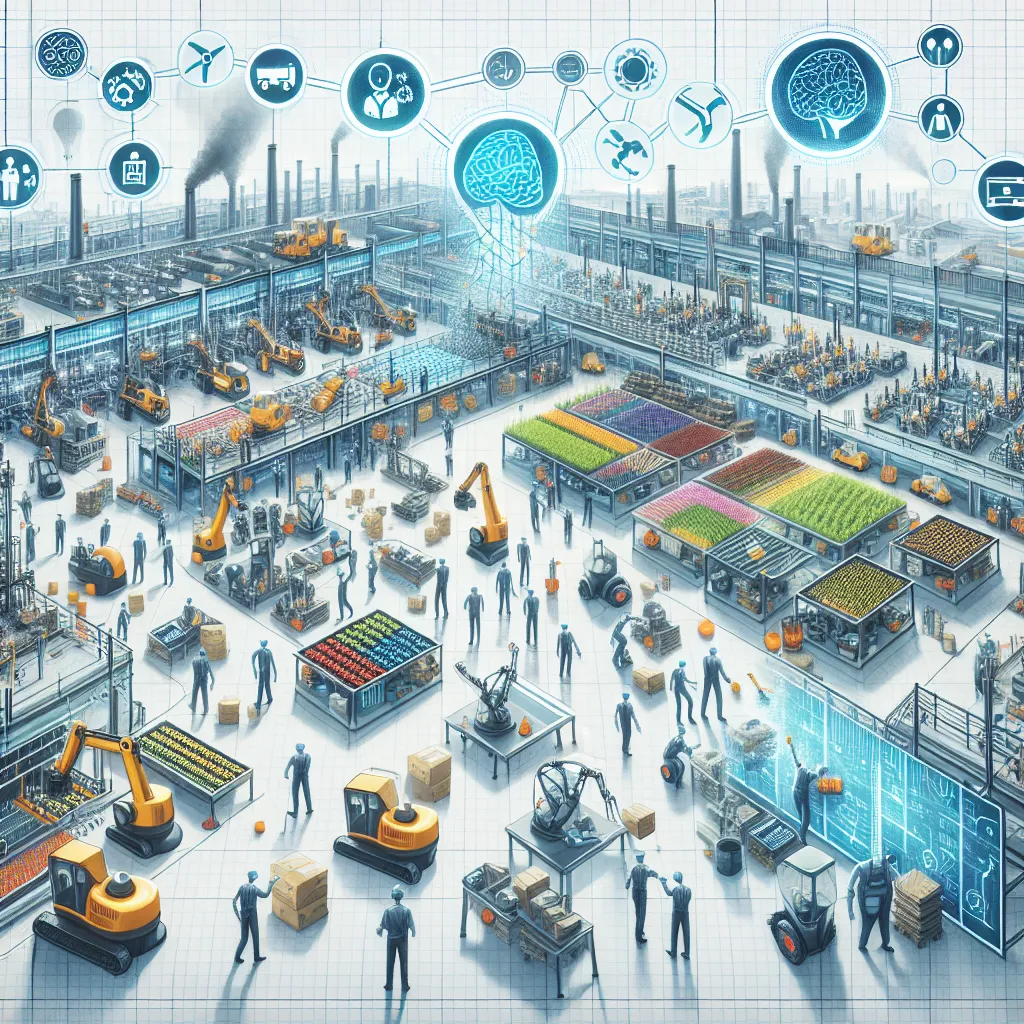
Industrial sectors — manufacturing, agriculture, logistics — are still human-heavy and inefficient. While robots exist, few AI-native collaboration systems optimize human-machine workflows dynamically. An Adaptive Industrial AI System could monitor operations in real-time and autonomously shift workloads between humans and machines based on fatigue, task complexity, and throughput goals. Why now? AI perception is strong enough today to understand complex work environments, but industries haven’t yet adapted to true AI-human hybrid optimization. Imagine a factory floor where AI agents detect human fatigue mid-shift and autonomously reassign more repetitive tasks to robots, dynamically optimizing productivity and reducing accidents without top-down human scheduling.
Description
No additional description provided.
The Pitch
In various industrial sectors like manufacturing, agriculture, and logistics, operations are still predominantly reliant on human labor, often leading to inefficiencies. While robotic systems are present, there is a noticeable absence of advanced AI systems that can dynamically optimize collaboration between humans and machines. Introducing an Adaptive Industrial AI System offers a transformative solution to monitor operations in real-time, intelligently redistributing workloads between human workers and machines to enhance productivity and safety.
**Backstory**
The industrial world has long relied on manual labor complemented by machinery, with human workers often facing fatigue and heightened risks of accidents. The current approaches to human-machine interaction lack the necessary intelligence to adapt fluidly to the ever-changing conditions of an industrial environment. Traditional methods of scheduling and workforce management do not capitalize on the potential benefits of AI, which has evolved to a point where it can perceptively understand and navigate complex work settings.
**The Problem**
Despite advances in AI, most industries have yet to integrate these technologies effectively into their daily operations. The challenge is finding a way to blend human strengths with machine efficiency without relying on static, top-down management. In environments where the physical and mental limits of human workers often lead to reduced productivity and increased error rates, a more dynamic solution is needed.
**The Solution**
An Adaptive Industrial AI System can be a game-changer. With AI perception capabilities that are now sophisticated enough to comprehend complex industrial activities, such a system can monitor a range of factors like task complexity and worker fatigue levels. It can dynamically adjust workloads by delegating repetitive or strenuous tasks to machines when human fatigue is detected, thereby maintaining productivity and minimizing accidents.
**Product Details**
- **Real-time Monitoring:** The system leverages advanced sensors and machine learning algorithms to continuously assess both human and machine performance. - **Dynamic Workload Allocation:** Based on real-time data, the system intelligently assigns tasks, adapting to changing circumstances instantaneously. - **Fatigue Detection:** AI models trained to recognize signs of fatigue or distress in human operators, allowing timely intervention. - **Improved Safety Protocols:** Enhanced accident prevention through proactive workload management.
**Tools for MVP Development**
- **AI Platforms:** Utilize platforms like TensorFlow or PyTorch for developing machine learning models that can interpret complex industrial environments. - **Sensor Technology:** Integrate IoT devices and sensors to gather real-time data from the work environment. - **Cloud Infrastructure:** Implement cloud services such as AWS or Azure for scalable data storage and processing. - **Development Frameworks:** Employ agile development frameworks to iterate and refine the system efficiently.
**GTM Strategy**
1. **Target Market Identification:** Focus on industries with high human labor dependencies, such as manufacturing and logistics. 2. **Partnerships:** Collaborate with hardware manufacturers and AI solution providers to integrate technology seamlessly. 3. **Pilot Programs:** Initiate pilot projects with key industry players to demonstrate value and gather feedback for improvements. 4. **Thought Leadership:** Establish the product’s value proposition through industry conferences, webinars, and publications.
**Business Model**
- **Subscription Services:** Offering the AI system as a subscription-based model, allowing clients to pay based on usage and scale. - **Licensing:** Develop licensing agreements for long-term use with large corporations. - **Consulting Services:** Provide expert consultancy to integrate and customize the system for various industrial needs.
In conclusion, capitalizing on this opportunity to meld AI with industrial operations can lead to increased efficiency, enhanced safety, and a significant reduction in human error. By leveraging advanced technology to create an Adaptive Industrial AI System, industries can unlock new levels of optimization and innovation.