Activity Commons: Wellness-Focused Workspaces for Remote Employees
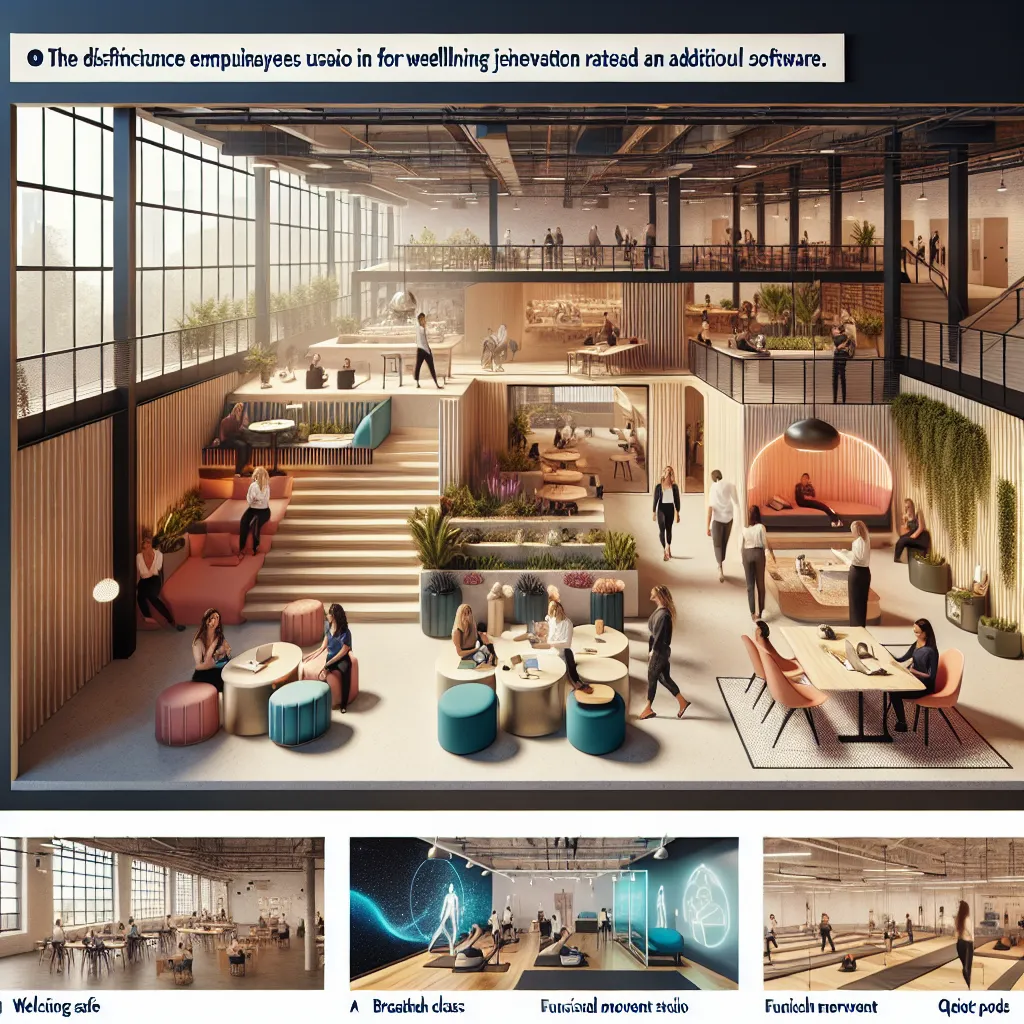
Hybrid work is lonely, sedentary, and often unhealthy. Gyms and co-working spaces exist, but there’s no integrated place designed for wellness + work. Our solution: a new category—Activity Commons. These are third spaces (unused lofts, fitness studios during off-hours) transformed into wellness-focused micro-hubs: part café, part movement studio, part quiet pod. Employees book fractional access via employer credits. The trend is clear—people crave community and movement during WFH, but traditional offices aren’t the answer. For example, a startup with no office might give employees 8 hours/month at Commons locations, where they can attend a breathwork class, take Zoom calls in private nooks, or journal in peace. Instead of funding another SaaS seat, companies fund physical rejuvenation.
Description
No additional description provided.
The Pitch
In today's rapidly evolving work environment, especially with the rise of hybrid work models, many individuals find themselves facing a unique set of challenges. The traditional office setting often feels disconnected from the personal wellness needs of employees who are increasingly working from home or remote locations. This can result in a sense of isolation, a sedentary lifestyle, and an overall decline in mental and physical health.
The central problem lies in the lack of integrated spaces that cater to both the professional and wellness needs of remote workers. While gyms provide physical activity and co-working spaces offer a professional setting, there is a noticeable gap in the market for environments that marry these two crucial elements.
Enter the concept of Activity Commons—a new and innovative category of space designed specifically to address this gap. These are wellness-focused micro-hubs located in third spaces such as unused lofts or fitness studios during their off-hours. Activity Commons serve as multifaceted environments that combine aspects of a café, movement studio, and quiet pods. These commons are designed to provide a respite for employees, allowing them to engage in wellness activities, focus on work-related tasks, or simply find a moment of calm and introspection.
The solution is simple but effective. Employees can book fractional access to these spaces through employer-provided credits. For instance, a company with a remote workforce might allocate a set number of hours per month for each employee to use at the Commons locations. Here, they could partake in a variety of wellness activities such as breathwork classes, utilize private nooks for virtual meetings, or spend time journaling in a serene environment.
This model addresses the growing trend of individuals seeking community and physical movement while working from home. Traditional office setups often fail to meet these evolving needs. By providing a hybrid solution that focuses on rejuvenation, companies can invest in the overall well-being of their employees rather than just another software seat.
To bring this idea to life as a Minimum Viable Product (MVP), you can leverage existing tools and resources to streamline the process. Consider platforms for booking management and access control like Skedda or Kisi to manage space reservations and entry. Additionally, partnerships with local fitness studios or café owners who have off-peak hours can help you secure initial locations with a low overhead investment.
For a Go-To-Market (GTM) strategy, focus on building partnerships with forward-thinking companies eager to enhance their employee wellness offerings. Utilize social media and content marketing to generate buzz around the concept, highlighting testimonials and success stories of improved employee well-being. Engage with HR professionals and corporate wellness coordinators through webinars and industry events to showcase the benefits of Activity Commons.
The business model could be a subscription-based service where companies subscribe to a monthly plan offering a certain number of hours per employee. Additional revenue streams might include direct membership options for individuals not covered by an employer plan, as well as hosting special wellness events or workshops that could be open to the public.
Activity Commons represents a new frontier in the realm of remote work and employee wellness, seamlessly blending the need for professional spaces with the growing imperative of personal rejuvenation. This innovative approach could redefine how companies invest in their workforce's health and productivity.