Accessible AI Kiosks for Small Retail Shops
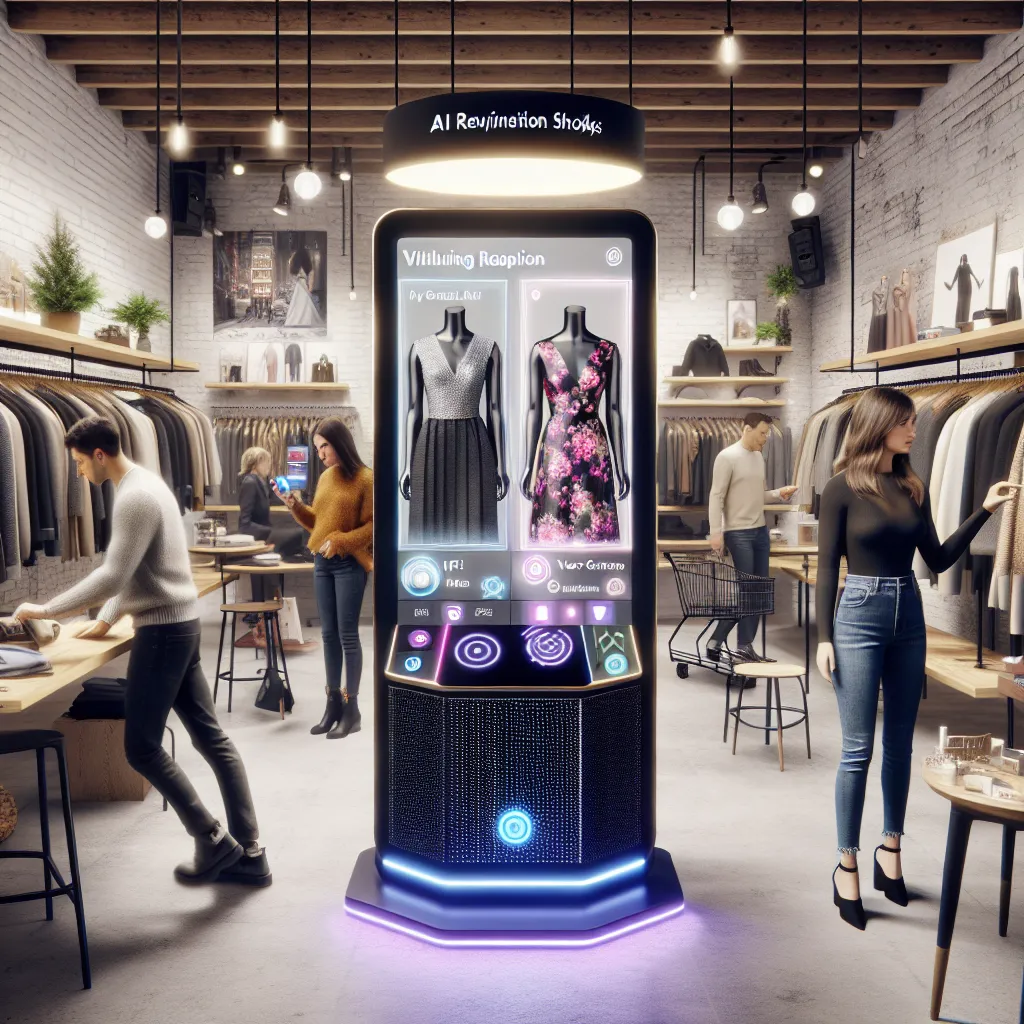
Major retailers are deploying AI-powered kiosks (e.g. Visa Intelligent Commerce, Skechers Luna Kiosk) but thousands of SMB shops lack access to such tech. This startup offers modular, plug‑and‑play AI retail kiosks for boutiques, salons, and bookstores. Kiosks integrate product visualization, upsell suggestions, self‑checkout, and voice‑guided help with intuitive touch/NFC interfaces. Powered by image‑recognition and natural language AI, they connect to existing POS systems. A small fashion boutique in Brooklyn could install one to let customers virtually try colors, check stock, and pay—without needing a full staff expansion. It brings enterprise-grade self‑service tools to corner shops with no coding required.
Description
No additional description provided.
The Pitch
In recent years, the landscape of retail has shifted dramatically with the integration of artificial intelligence and automation. Major retailers have begun deploying advanced AI-powered kiosks, such as Visa Intelligent Commerce and the Skechers Luna Kiosk, to enhance customer shopping experiences. However, small and medium-sized businesses find themselves at a disadvantage, unable to access or afford such sophisticated technology. This gap presents an exciting opportunity for a startup dedicated to democratizing access to AI retail kiosks.
Imagine a startup that designs and produces modular, plug-and-play AI retail kiosks specifically for boutiques, salons, bookstores, and other small-scale retail environments. These kiosks are equipped with features such as product visualization, upsell suggestions, self-checkout, and voice-guided assistance, all driven by intuitive touch and NFC interfaces. Using cutting-edge image-recognition and natural language processing AI, these kiosks seamlessly integrate with existing point-of-sale systems, ensuring a smooth installation process with minimal disruption.
Consider a small fashion boutique in Brooklyn. With the installation of this kiosk, customers can virtually try on different clothing colors, check in-store stock availability, and complete their purchases without the need for additional staff. This enables the boutique to offer enterprise-grade self-service options, significantly enhancing the customer experience and improving the efficiency of in-store operations.
To help budding entrepreneurs bring this vision to life, several tools and strategies can be employed. For developing the MVP, leveraging platforms such as Google's Teachable Machine for image recognition and Amazon Web Services for scalable deployment can streamline the technical development of the kiosk. Additionally, tapping into hardware partners for producing cost-effective, customizable kiosk units is key.
The go-to-market strategy should center around partnerships with local business associations and retail industry groups to demonstrate the product's value, supplemented by targeted digital marketing campaigns. Hosting live demonstrations in select stores can offer potential clients a firsthand glimpse of how the kiosks can transform their operations.
The business model for this startup could involve a subscription-based service, providing clients with continued access to software updates and customer support, alongside an initial setup fee for hardware. Additionally, offering tiered service levels can cater to a diverse range of business sizes and needs.
By providing small and medium-sized retailers with access to advanced AI-powered kiosk technology, this startup can play a pivotal role in leveling the retail playing field, allowing all businesses to compete in the modern retail environment.