A summer camp for kids who want to be creators
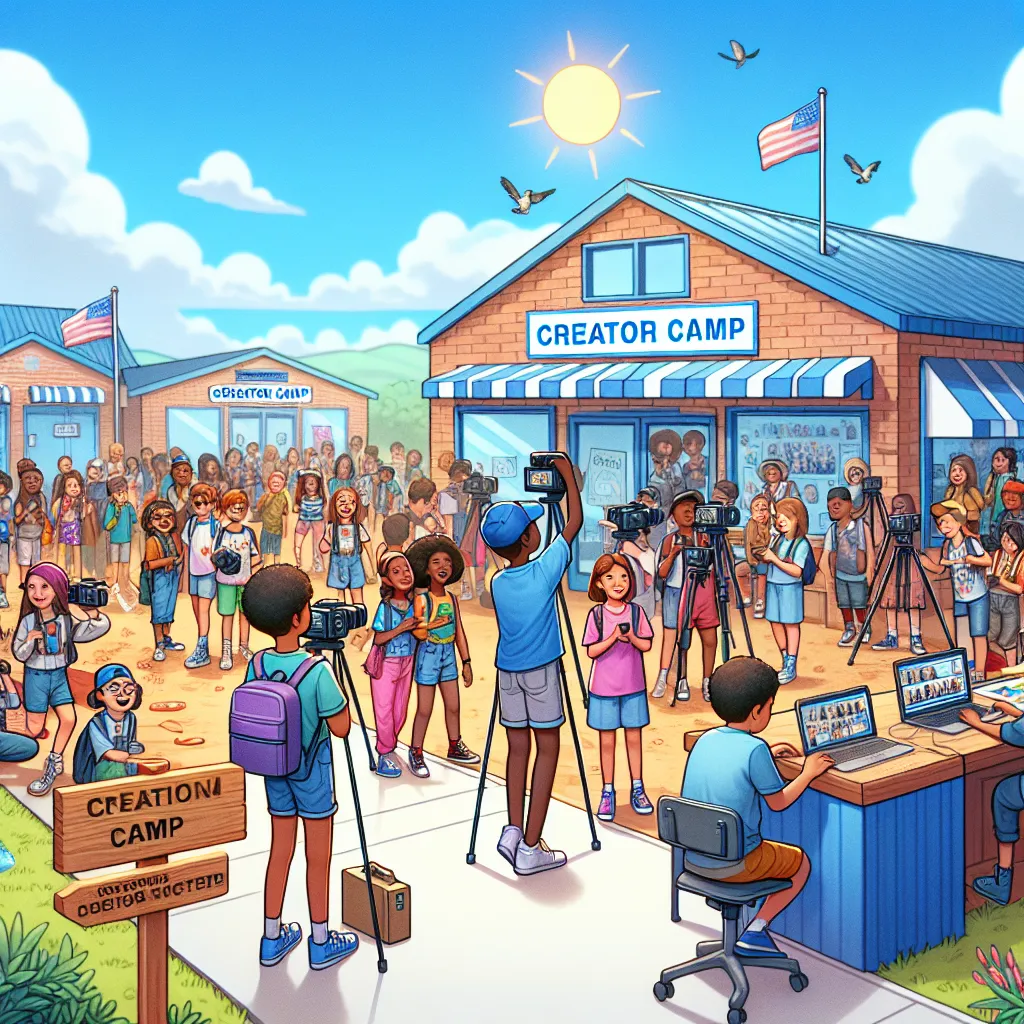
Creator Camp is a summer camp designed to teach kids how to become creators, addressing the modern desire of children to pursue careers as YouTubers and influencers. With 26 million kids attending summer camps annually, this venture taps into a massive market. The camp would offer age-appropriate lessons on social media platforms, video creation, editing, and content strategies. The business model relies on charging parents a camp fee, with an expansion strategy involving franchising after establishing flagship locations.
Description
No additional description provided.
The Pitch
The career aspirations of children have evolved dramatically. Gone are the days when most kids wanted to be astronauts or firefighters; now, many dream of becoming social media creators. According to a 2019 Harris Poll and Lego survey, nearly 30% of kids aged 8-12 listed “YouTuber” as their top career choice. With the rise of platforms like YouTube, TikTok, and Instagram, children are increasingly exposed to influencers who build careers around content creation, making it a viable and attractive path. However, while schools offer lessons in traditional subjects, there is a noticeable gap when it comes to teaching skills related to content creation. Creator Camp aims to fill this gap by offering a fun, immersive, and educational summer camp experience that teaches kids the ins and outs of being a content creator.
Go-to-Market (GTM) Strategy: The GTM strategy for Creator Camp is to start with one flagship camp location, preferably in an area where there is already high demand for summer camp programs and strong digital media engagement. Think of tech-savvy cities like Los Angeles, New York, or Austin. The goal would be to create buzz locally through partnerships with schools, youth organizations, and influencers, as well as online marketing targeting parents and kids through platforms like Instagram and Facebook.
A key element of the GTM approach will be storytelling—sharing success stories from campers who go on to create popular content channels or social media profiles. This user-generated content will be leveraged to build excitement and credibility. Once demand is established and the camp becomes known for providing unique, high-quality experiences, the next phase will be franchising the camp model to other cities. Franchisees can replicate the success of the flagship location, benefiting from an established brand and curriculum.
Business Model: The Creator Camp business model is straightforward. Parents will pay a fee for their children to attend camp, just like with any traditional summer camp. The pricing could vary depending on the location and duration (e.g., day camps, week-long camps, or multi-week programs). Revenue generation would come primarily from camp fees, but there are several secondary revenue streams to explore:
Merchandising: Branded camp merchandise (e.g., T-shirts, creator kits, cameras, etc.) can be sold to campers and their families. Sponsorships: Partnering with brands that align with the digital media and content creation world—camera companies, video editing software, and social media platforms—could create sponsorship opportunities. Franchise Fees: Once the camp has established flagship locations, the franchising model could bring in recurring revenue from franchise fees and royalties. Online Courses: An additional layer of revenue could come from offering virtual Creator Camp experiences during the off-season or for kids who can’t attend in person. These could include video tutorials, webinars, and one-on-one coaching sessions with professional creators. Product Features: Creator Camp is designed to be fun, hands-on, and engaging while offering practical knowledge and skills that kids can use right away. Some key features of the camp include:
Age-Appropriate Curriculum: The camp will be split into age groups (e.g., 8-12 and 13-17), with tailored content based on the group’s ability and social media awareness. Younger kids will focus on more basic aspects of content creation (storyboarding, camera angles, and video editing), while older kids will dive deeper into platform-specific strategies, such as SEO optimization on YouTube, how to manage a content schedule, and building an audience.
Practical, Hands-On Learning: Each camper will get a chance to create their own videos or content during camp, learning through doing. They will have access to the tools and equipment that professional creators use, such as video cameras, editing software, and lighting equipment.
Guest Speakers and Case Studies: Campers will hear directly from successful content creators through live sessions or recorded interviews. These guest speakers can provide insight into how they started their careers, mistakes they made along the way, and how to maintain authenticity while growing an audience. Additionally, real-world case studies of viral content will be analyzed to teach kids about trends and effective content strategies.
Collaborative Projects: To mirror real-world content creation, campers will also participate in group projects, where they’ll need to collaborate on larger-scale productions. This not only teaches the technical skills required for creating content but also the soft skills of teamwork, communication, and leadership.
Safe, Controlled Environment: Understanding that the internet and social media can be tricky for young users, Creator Camp will teach best practices for online safety, privacy, and managing their digital identity. It will emphasize the importance of positive, responsible content creation.
Video Editing and Post-Production Skills: Video editing is a key part of content creation, and campers will learn how to use industry-standard software like Adobe Premiere, Final Cut Pro, or even mobile editing apps. They’ll learn how to piece together footage, add music, insert effects, and polish their videos for a professional finish.
Social Media Platform Mastery: Each major social media platform operates differently, and Creator Camp will teach kids how to optimize content for YouTube, TikTok, Instagram, and others. For example, they’ll learn about the best posting times, how to write compelling descriptions, and what types of videos perform best on each platform.
Expansion and Scalability: After proving the concept in one location, Creator Camp will look to expand. Franchising will be a key component of growth, allowing other entrepreneurs to run Creator Camps in different cities or countries. These franchisees will receive a comprehensive playbook that includes everything from setting up the camp to marketing and operations. In exchange, they will pay a franchise fee and royalties based on camp revenues.
Vision for the Future: In the long term, Creator Camp could evolve into a broader educational platform that runs year-round. It could offer online courses, after-school programs, and even partnerships with schools to integrate content creation into standard curricula. The goal is to empower kids with the tools and knowledge they need to thrive in a digital world, turning their passion for creating content into a career path, all while having fun.
By bridging the gap between traditional summer camp experiences and modern digital media education, Creator Camp offers an exciting, scalable business opportunity that appeals to both kids and parents alike.