A link in bio solution for professionals via LinkedIn
A professional "link in bio" solution tailored for LinkedIn users offers an opportunity to showcase creativity and provide more personalized content beyond the standard job history. Unlike tools optimized for Instagram and TikTok, this platform would allow professionals to create customized pages with portfolios, project offers, and personal recommendations. The business model involves monetizing through company-paid subscriptions, with the ultimate goal of building a user base and exiting by selling to a competitor in the growing "link in bio" market.
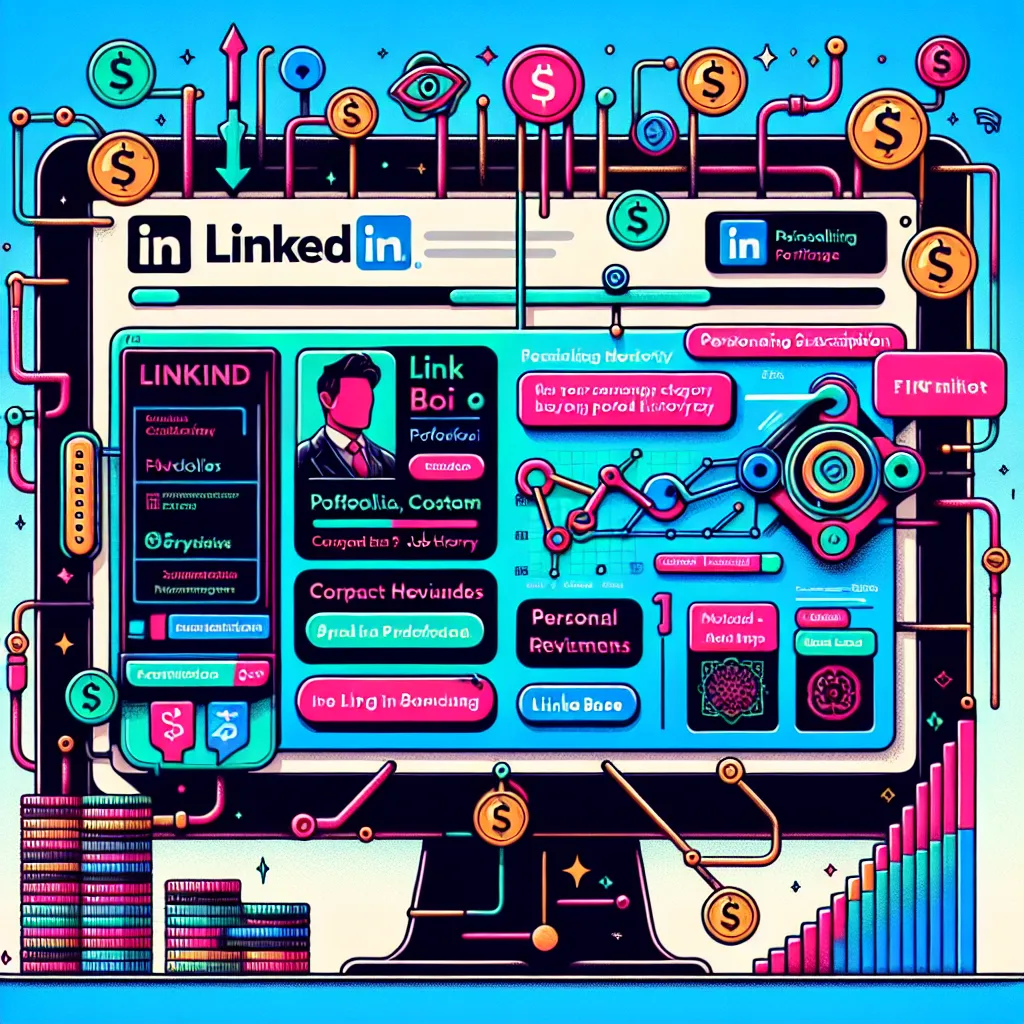
Description
No additional description provided.
The Pitch
Professional "link in bio" solution for LinkedIn taps into a gap left by existing tools like Linktree, which have primarily focused on creators and influencers using platforms like Instagram and TikTok. While these tools have proven successful—Linktree’s $1.3 billion valuation being a prime example—their focus has largely ignored LinkedIn, a platform used by professionals to network, job hunt, and share career-related content. Despite LinkedIn’s importance in the professional world, its profiles are relatively limited in personalization, offering little room to showcase creativity, side projects, or personal brand beyond a standard list of jobs and skills. This presents a significant opportunity to develop a link in bio solution designed specifically for LinkedIn users who want to add depth and personality to their profiles.
Go-To-Market (GTM) Strategy The GTM approach would focus on professionals who value personal branding—those in creative industries, freelancers, consultants, or even individuals looking to differentiate themselves in a competitive job market. Initially, marketing efforts could focus on platforms like LinkedIn and Twitter, leveraging targeted ads and thought leadership content to raise awareness. Organic growth would come from users sharing their personalized link in bio pages within their professional network, offering visibility to new potential users.
A key part of the strategy could involve partnering with companies. Many companies encourage their employees to build a personal brand as part of employer branding, so approaching companies that might see the tool as valuable for their staff would be crucial. These companies could be incentivized to pay for team licenses, offering a streamlined experience for employees while boosting the company’s own brand visibility.
Business Model The business model centers on monetizing via a subscription-based system, targeting both individual users and companies. Pricing would likely range between $5 to $15 per month per user or seat. Ideally, companies would pay for multiple seats to provide their employees with a customized personal branding tool. This could be framed as an investment in employee branding and LinkedIn optimization, benefiting both the employee and the employer’s reputation. In cases where companies don’t take on the cost, users would be the primary target for subscription revenue.
Startup costs for this kind of platform would be relatively low. The core functionality could be spun up with a few thousand dollars to build an MVP, focusing on simplicity and ease of use. Leveraging AI to help users auto-generate content from their existing LinkedIn profile would add extra value, ensuring the product is time-efficient for busy professionals. From there, the platform could scale as more users are attracted by its functionality and customization options.
Product Features This link in bio tool for LinkedIn would provide users with a personalized, customizable page that showcases more than just a career summary. Features would include:
Design Portfolios: A section to showcase creative work, design portfolios, writing samples, or other relevant projects for professionals in fields like marketing, design, and tech.
Open-to-Work Offers: Users can specify what they’re open to—whether it's side gigs, consulting work, or full-time opportunities—making it easy for potential clients or employers to see at a glance.
Background Stories: Users can share more nuanced stories about their career paths, interests, and even personal experiences like travel, community involvement, or hobbies that are often not reflected on LinkedIn.
Personal Recommendations: A space for users to list their favorite books, podcasts, tools, or other resources, giving a more holistic view of their personality and professional interests.
AI-Generated Customization: The platform would leverage AI to pull details from users’ LinkedIn profiles, creating an auto-generated, highly personalized link in bio page. Users can then customize and tweak this content to reflect their personal brand more deeply.
By filling the gap in professional digital identity, this tool can elevate how users present themselves on LinkedIn, offering a more dynamic and personalized experience compared to the current static profile format. With the right positioning, this product could capitalize on the rising interest in personal branding and become an essential tool for professionals looking to stand out in the digital space. Ultimately, the exit strategy would involve selling to a larger player in the space, as the link in bio market continues to expand and consolidate.