A Discreet Marketplace for Premium Retailers to Efficiently Manage Excess Inventory Without Compromising Brand Value
Description
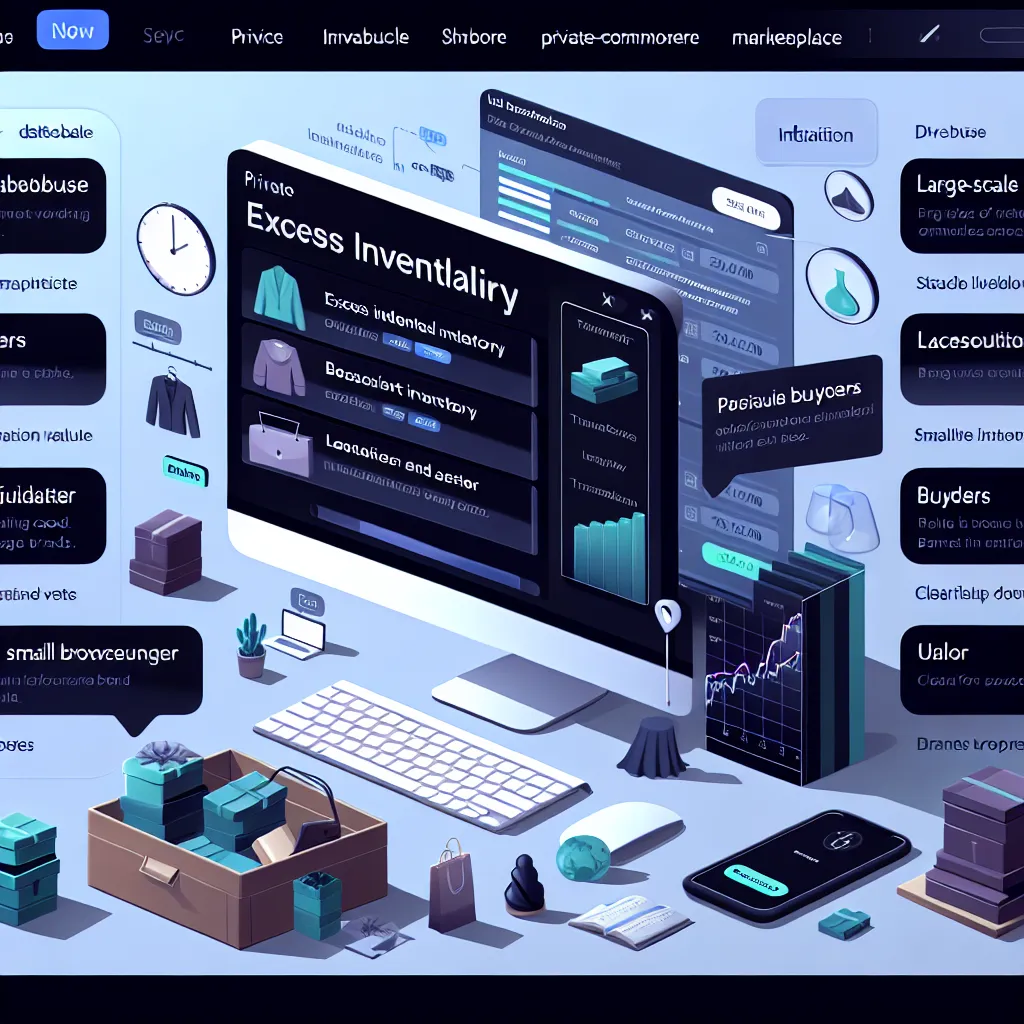
A platform to help retailers manage excess inventory by connecting them with liquidators and other buyers, avoiding brand dilution through heavy discounts. This private marketplace would facilitate transactions between retailers with excess stock and potential buyers seeking discounted products. By offering a discrete solution to offload surplus inventory, retailers can maintain their brand's premium image while efficiently moving unsold goods. The platform would cater to both large-scale liquidators, like TJ Maxx and Ross, and smaller boutiques, ensuring a broad network of buyers. This approach helps retailers clear out inventory without devaluing their brand, addressing a critical need in the e-commerce and retail sectors.
The Pitch
Retailers are consistently challenged with the burden of excess inventory, which can tie up capital and storage space. Traditional methods like heavy discounting or clearance sales often lead to brand dilution, adversely affecting the perceived value and boutique image of retailers.
Solution Overview: Introducing a sophisticated business-to-business platform that connects retailers with excess inventory directly to liquidators and specialized buyers. This platform offers a private marketplace where transactions are discreet, maintaining the retailer's premium brand image while efficiently facilitating the clearance of oversupply.
Target Audience: Our primary target market includes: 1. Retailers ranging from large-scale operations to independent boutiques who frequently find themselves with excess inventory. 2. Liquidators and discount retailers such as TJ Maxx and Ross, who are continually seeking high-quality products at reduced costs. 3. Smaller, niche boutiques that might benefit from access to premium overstocked items without the conventional public discounting channels.
Value Proposition: For retailers, our platform provides an avenue to offload surplus stock seamlessly without public discounting, thereby preserving the brand's luxury appeal and top-tier standard. Liquidators and other buyers gain access to a centralized marketplace with a rotating inventory of high-quality goods at reduced prices, allowing them to keep their offerings fresh and appealing.
Market Analysis: The global retail market is experiencing significant losses with increasingly high levels of unsold stock, exacerbated by unpredictable buying patterns and seasonal variability. The shift to online shopping has also left brick-and-mortar retailers with additional unsold inventories. This scenario presents a ripe opportunity for a platform that can streamline the liquidation process without affecting brand integrity. According to industry reports, the market for discounted, overstock products is thriving, with buyers eager to access quality goods at lower prices.
Implementation Plan: 1. Development Phase: Build a secure, scalable, and user-friendly interface for the platform. 2. Partnerships: Form strategic alliances with key players in the retail and liquidation market. 3. Beta Testing: Launch with selected retailers and buyers to refine the platform functionalities. 4. Full Roll-out: Extend services globally, scaling operations to include more brands and liquidators. 5. Continuous Improvement: Regularly update the platform based on user feedback and market demands.
Monetization Strategy: The platform will generate revenue through: 1. Subscription Fees: Monthly access fees for retailers to list their inventory and for buyers to browse listings. 2. Transaction Fees: A small percentage fee based on the transaction value processed through the platform. 3. Premium Services: Offering enhanced listing features, analytics services, and additional support for an extra fee.
Impact Assessment: By facilitating a private and efficient marketplace for excess inventory: 1. Retailers can reallocate resources previously tied up in excess stock towards more profitable ventures, improving overall financial health. 2. Brand integrity is preserved, strengthening customer loyalty and sustaining premium pricing models. 3. Environmental impact is minimized by reducing the need to destroy unsold stock, aligning with global sustainability goals.
In conclusion, this platform not only addresses critical needs in the e-commerce and retail sectors by safeguarding brand value and optimizing inventory levels but also contributes to a sustainable circular economy by extending the lifecycle of goods.