24/7 Emergency Blood Kiosks for Rural Areas
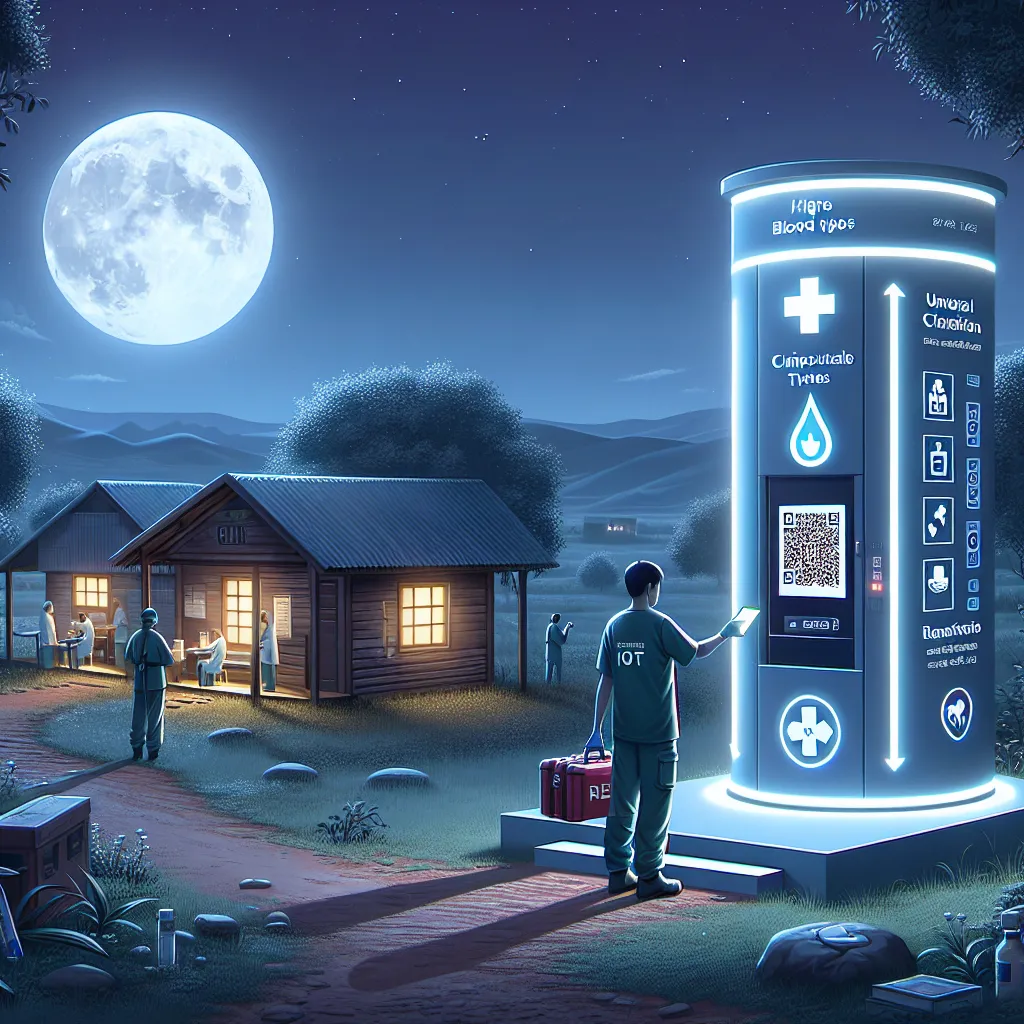
In rural areas or during after-hours emergencies, patients can’t access blood quickly, which can be life-threatening. This startup would deploy smart, climate-controlled kiosks stocked with universal blood types (e.g., O-negative). Verified medical personnel or EMTs could access these units with biometric ID or secure QR codes. Each unit would be IoT-connected for tracking inventory and monitoring storage conditions. Advances in cold-chain tech and secure access controls now make this feasible. For example, a small town’s only clinic could have a kiosk outside for 24/7 emergency access, ensuring blood is available even when the local blood bank is closed.
Description
No additional description provided.
The Pitch
In numerous rural areas and during after-hour emergencies, the availability of blood can pose a critical challenge. This lack of immediate access to blood during emergencies often becomes life-threatening, as the nearest blood bank can be far away and potentially closed. This gap in the healthcare system provides an opportunity to innovate and ensure that no life is lost due to a lack of accessible blood supply.
**Problem Identification**
The core issue is the delay and inaccessibility of blood in critical moments, especially in remote regions or during off-peak hours. Rural communities and small towns might have limited healthcare resources and no 24/7 blood bank services. This exposes patients to heightened risks during emergencies, potentially leading to dire outcomes if immediate blood transfusion is needed.
**Proposed Solution**
To address this pressing need, the proposed solution is a network of smart, climate-controlled kiosks strategically placed in these areas. These kiosks would be stocked with universal blood types, such as O-negative, ensuring compatibility with any patient in need.
**Product Details**
1. **Smart Kiosks**: Each kiosk would be equipped with climate control technology to maintain optimal storage conditions for blood. They would be strategically located near small clinics, emergency services, or high-traffic areas in rural towns.
2. **Secure Access**: Only verified medical personnel or emergency medical technicians (EMTs) would be able to access the kiosks. This would be facilitated through secure methods such as biometric identification or QR codes.
3. **IoT Connectivity**: The kiosks would be connected to the Internet of Things (IoT), allowing for real-time inventory tracking and environmental monitoring. This ensures that blood supplies are always fresh and available, as alerts for restocking or temperature fluctuations can be sent instantaneously.
4. **Advanced Cold-Chain Technology**: Utilization of state-of-the-art cold-chain technology assures that blood storage conditions meet rigorous healthcare standards, maintaining safety and efficacy.
**Tools to Facilitate Launch**
To ensure a successful Minimum Viable Product (MVP) launch, the following tools and technologies can be employed:
- **IoT Platforms**: For monitoring and management, platforms such as AWS IoT or Google's IoT Core can provide robust solutions.
- **Cold-Storage Tech**: Partnerships with providers of next-gen refrigeration technology to ensure compliance with medical storage standards.
- **Biometric and Security Solutions**: Leverage secure biometric authentication systems like fingerprint or facial recognition technology.
- **Cloud-based Inventory Management**: Use cloud services to maintain a real-time database of the blood inventory, optimizing supply chain logistics.
**Go-to-Market Strategy (GTM)**
1. **Target Audience**: Begin with partnerships with rural clinics, local governments, and emergency services.
2. **Pilot Program**: Launch a pilot program in select small towns to validate the concept and gather user feedback.
3. **Awareness Campaigns**: Develop informational campaigns to educate communities and healthcare providers about the benefits and functionality of the kiosks.
4. **Partnerships**: Collaborate with healthcare organizations, blood banks, and technology partners to enhance credibility and resource availability.
**Business Model**
The proposed business model involves a subscription-based service for clinics and emergency services. These organizations would pay a monthly fee for kiosk access and maintenance, which funds the operational costs, technological upkeep, and blood stock management. Additionally, government grants and health subsidies could be avenues to offset user costs, especially for publicly funded health services.
With the advancement in secure access technology and IoT connectivity, along with the critical need for timely blood supply in emergencies, this initiative aims to revolutionize blood availability, making lifesaving treatment reachable in moments of utmost need.